


 US 10-Year Treasury Yield at 6% Emerges as New Market Risk Threshold
  China Agrees to Buy 20 Million Tons of U.S. Coal
  Trump, Xi Focus on Trade and AI at White House Summit
  European Stocks Fall as Bond Yields and Geopolitical Risks Weigh
  Dollar Falls as Oil Eases, Yen Jumps on Intervention Signals
  Fed Unveils Stablecoin Rules Under GENIUS Act
  Asian Stocks Fall as Surging Bond Yields Rattle Markets
  U.S. Dollar Hits Two-Month High as Oil, Treasury Yields Surge
  Mexico-US Trade Talks Delayed to October as Tariff Negotiations Continue
  Wall Street Ends Flat as Oil, Treasury Yields and Fed Jitters Rattle Markets
  Asian Currencies Mixed as Dollar Holds Near Two-Month High
  Fed’s Hammack Says Bond Yield Surge Is Not Driven by Inflation Fears
  UK PM Burnham to Unveil Economic Vision at Labour Conference
  Japanese Bank Stocks Surge as Bond Yields Fuel Rate Hike Bets
  Dollar Holds Near Two-Month High as Yen Approaches 160
  Japanese Yen Rebounds as Trump Flags Currency Weakness


 Add as a preferred source on Google
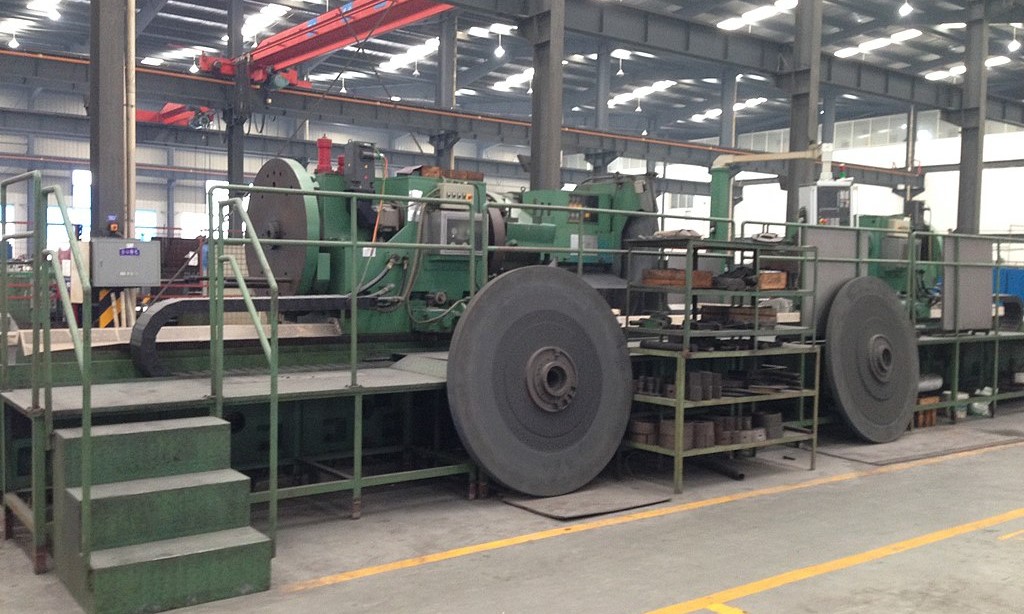
China’s manufacturing activity contracted for the third consecutive month in June, but at a slightly slower pace, signaling early signs of recovery amid ongoing trade challenges. The official Manufacturing Purchasing Managers' Index (PMI) came in at 49.7, slightly above market forecasts of 49.6 and an improvement from May’s reading of 49.5. A PMI reading below 50 indicates contraction.
The modest rebound suggests improving business conditions following a recent U.S.-China agreement to reduce trade tariffs. The deal, reached in May and reaffirmed in June, is expected to ease cost pressures and support Chinese exporters by boosting access to U.S. markets.
Despite some optimism, China’s factory sector remains under pressure from weak U.S. demand, which continues to be a major drag on exports. While global demand outside the U.S. has held up relatively well, elevated American tariffs still weigh heavily on Chinese manufacturers.
Meanwhile, China’s non-manufacturing sector showed stronger performance. The Non-Manufacturing PMI rose to 50.5 in June, beating expectations of 50.3 and marking an uptick from May. This improvement was driven by rising domestic services demand, bolstered by government stimulus measures and seasonal boosts from regional holidays.
As a result, China’s Composite PMI—which tracks both manufacturing and services—climbed to 50.7 in June from 50.4 in May, indicating a mild expansion in overall economic activity. Analysts see continued easing of trade tensions and sustained policy support as key to stabilizing China’s economy in the second half of 2025.







