


 Asian Stocks Rally as AI Optimism Fuels Chipmaker Surge
  Japan GDP Growth Beats Forecast, Boosting BOJ Rate Hike Bets
  Iran Vows Tougher Response as U.S. Sanctions Squeeze Economy
  China to Inject $45 Billion Into State Financial Institutions
  Asian Currencies Mixed as Yen Rallies on BOJ Bets
  Japan, U.S. Stay Aligned on Yen as Currency Surges
  US Stock Futures Mixed as Strong Jobs Data Boosts Fed Rate Hike Bets
  Hormuz Shipping Slows as Iran Threats Lift Oil Risks
  ECB Set for September Rate Hike as Energy Prices Fuel Inflation
  South Korea GDP Surges on Chip and AI Boom
  Oil Prices Rise as Hormuz Tensions Threaten Supply
  China Exports Surge 25% in August as Trade Surplus Hits $119 Billion
  China Boosts Gold Reserves by 650,000 Ounces as Prices Rally
  Japan Foreign Reserves Plunge $79.6 Billion After Record Yen Intervention
  Canada Retaliatory Tariffs on U.S. Goods Take Effect


 Add as a preferred source on Google
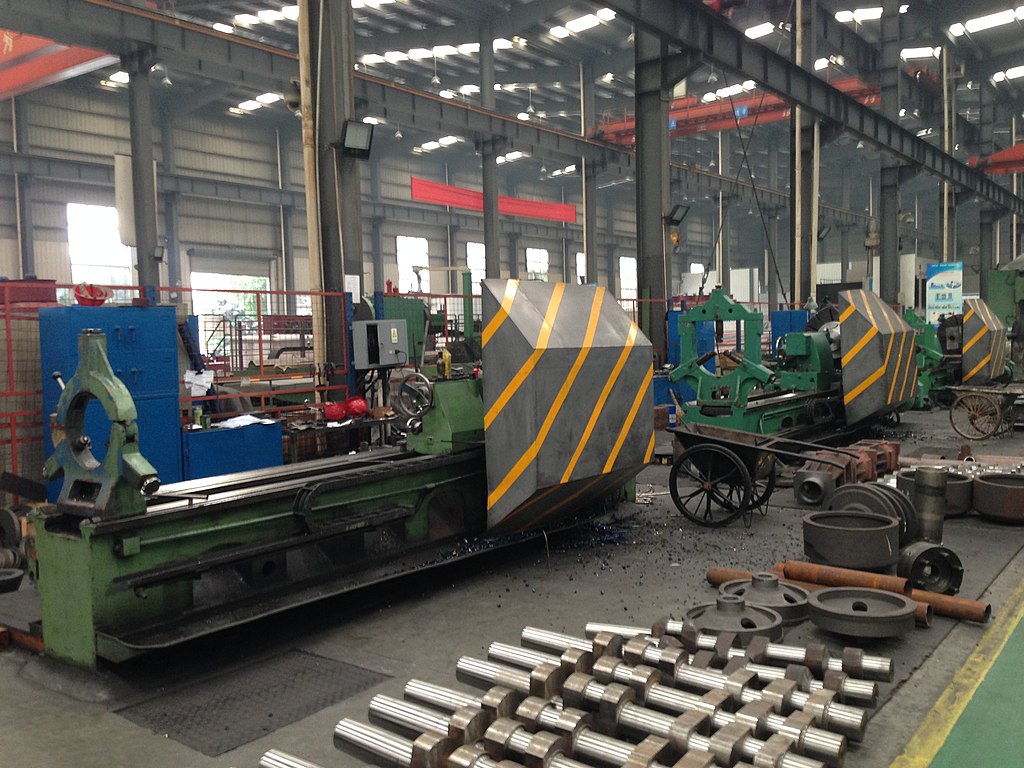
China’s manufacturing sector contracted for the second consecutive month in May, according to official data released Saturday, adding pressure on Beijing to roll out more economic stimulus amid ongoing trade tensions with the United States.
The official manufacturing Purchasing Managers’ Index (PMI), a key gauge of factory activity, came in at 49.5 for May, slightly up from April’s 49.0 but still below the critical 50-point threshold that separates expansion from contraction. The figure met expectations in a Reuters poll, which also forecast a reading of 49.5.
The back-to-back monthly declines highlight persistent weaknesses in China’s industrial output and external demand, particularly as its trade war with the U.S. drags on. Analysts suggest the latest data could prompt Chinese policymakers to introduce additional monetary easing or fiscal support to bolster economic growth and shore up business confidence.
With the global economy facing headwinds and exports under pressure, China’s manufacturing slowdown poses a risk to recovery efforts. Economists are watching closely to see whether Beijing will ramp up measures such as infrastructure spending, tax cuts, or interest rate reductions to stabilize the economy.
Market participants and investors remain concerned about the prolonged nature of the slowdown, as softer demand both domestically and abroad continues to weigh on production levels. The weak PMI reading underscores the need for targeted government support to stimulate key sectors and avoid further economic slippage.
As one of the world’s largest manufacturing hubs, China’s industrial health is closely linked to global supply chains. Any sustained downturn in Chinese output could have ripple effects across international markets, particularly in commodities and exports.
The May PMI result reinforces calls for timely stimulus to help offset trade-related pressures and reinvigorate the world’s second-largest economy.







