


 US Comfortable With Canada Trade Standoff as Import Bans Loom
  Fed Unveils Stablecoin Rules Under GENIUS Act
  Germany’s 2026 Growth Outlook Strengthens on Fiscal Spending
  Japanese Yen Rebounds as Trump Flags Currency Weakness
  Fed Unveils Stablecoin Rules Under GENIUS Act
  Dollar Falls as Oil Eases, Yen Jumps on Intervention Signals
  US 10-Year Treasury Yield at 6% Emerges as New Market Risk Threshold
  Gold Prices Fall as Treasury Yields Rise on Fed Rate Hike Bets
  RBI Uses $10 Billion Currency Swaps to Drain Excess Rupee Liquidity
  Canadian Dollar Faces Pressure as Fed-BoC Policy Gap Widens
  U.S. Dollar Hits Two-Month High as Oil, Treasury Yields Surge
  US Stock Futures Fall as Treasury Yields Surge Ahead of Trump-Xi Summit
  UK PM Burnham to Unveil Economic Vision at Labour Conference
  Fed’s Hammack Says Bond Yield Surge Is Not Driven by Inflation Fears
  Gold Holds Near $4,275 as Rising Treasury Yields Fuel Fed Rate Hike Bets
  China Agrees to Buy 20 Million Tons of U.S. Coal
  Trump, Xi Focus on Trade and AI at White House Summit


 Add as a preferred source on Google
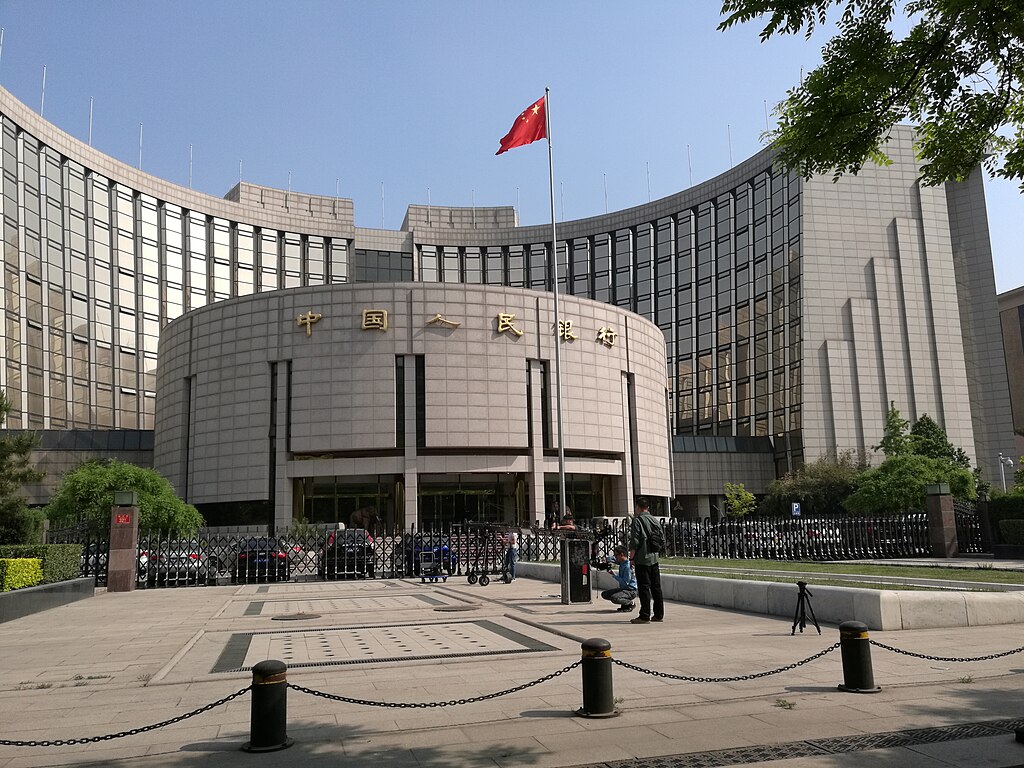
China's consumer price index (CPI) fell 0.7% in February, marking the steepest decline in 13 months and reversing January’s 0.5% rise. The drop exceeded economist forecasts of a 0.5% decline, reflecting weak domestic demand as households remain cautious amid job and income concerns. Core CPI, which excludes food and fuel, dipped 0.1%, the first decrease since January 2021.
Food prices plummeted 3.3% compared to a 0.4% rise in January, influenced by the timing of Lunar New Year celebrations. On a monthly basis, CPI fell 0.2%, missing expectations of a 0.1% drop. The producer price index (PPI) declined 2.2% year-on-year, marking the 18th consecutive monthly fall.
China's government maintained its 2025 GDP growth target at 5% while lowering the annual inflation target to 2% from 3%. Beijing has pledged stronger measures to boost consumption, including expanding a consumer subsidy program to 300 billion yuan ($41.42 billion) for electric vehicles and home appliances. However, structural issues in welfare and employment continue to weigh on spending.
Economists warn that China’s economy faces persistent deflationary risks. Zhiwei Zhang, president of Pinpoint Asset Management, noted that while sentiment improved in the tech sector, weak domestic demand remains a challenge. Analysts suggest more aggressive fiscal and monetary policies, including interest rate cuts, to stimulate growth.
Meanwhile, global trade tensions and industrial overcapacity are forcing Chinese exporters into price wars, further pressuring the economy. As deflation lingers, concerns grow over China's ability to sustain a steady economic recovery.







