


 Trump, Xi Focus on Trade and AI at White House Summit
  U.S. 10-Year Treasury Yield Hits 2007 High as Fed Rate Hike Bets Rise
  Asian Currencies Mixed as Dollar Holds Near Two-Month High
  US 10-Year Treasury Yield at 6% Emerges as New Market Risk Threshold
  US, China Extend Trade Truce to Jan. 10 Ahead of Trump-Xi Summit
  China’s ‘Lipstick King’ Says AI Won’t Replace Livestream Hosts
  Gold Holds Near $4,275 as Rising Treasury Yields Fuel Fed Rate Hike Bets
  Wall Street Ends Flat as Oil, Treasury Yields and Fed Jitters Rattle Markets
  Fed Unveils Stablecoin Rules Under GENIUS Act
  Fed Unveils Stablecoin Rules Under GENIUS Act
  European Stocks Fall as Bond Yields and Geopolitical Risks Weigh
  Japan Private-Sector Growth Slows as Domestic Demand Weakens
  Wall Street Falls as Treasury Yields Surge, Oil Rebounds on Iran Tensions
  Oil Prices Jump 3% as Houthi Attack Revives Supply Fears
  Japanese Bank Stocks Surge as Bond Yields Fuel Rate Hike Bets
  Asian Stocks Fall as Surging Bond Yields Rattle Markets
  Dollar Holds Near Two-Month High as Yen Approaches 160


 Add as a preferred source on Google
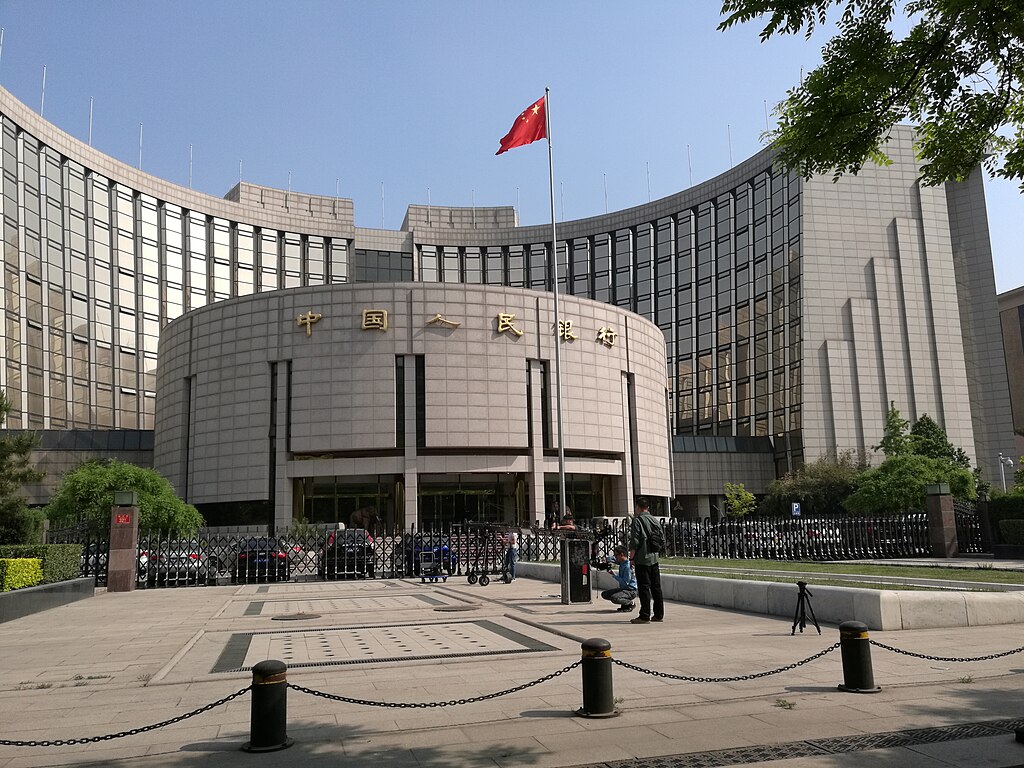
China's major banks are redirecting lending priorities toward technology and innovation-driven companies, responding to Beijing's aggressive push to dominate artificial intelligence, semiconductors, and advanced manufacturing. This capital reallocation is already underway and expected to accelerate significantly in the coming years.
At the recent National People's Congress, Chinese leadership committed to robust financial and policy backing for tech sectors over the next five years. State-owned institutions are now treating technology financing as a top priority, with some exploring lower interest rate products specifically tailored for small and micro-sized tech startups.
A corporate lending manager at a Jiangsu-based bank confirmed that their institution has set a 30% growth target for loans to high-tech companies in 2026, compared to roughly 20% the previous year. This appetite for tech lending comes as banks struggle with a prolonged property sector debt crisis and broader economic slowdown.
The numbers reflect a striking reallocation of capital. Outstanding loans to small and medium-sized tech firms hit 3.63 trillion yuan at the end of 2025, growing nearly 20% year-over-year. Meanwhile, real estate loans declined 1.6% to 51.95 trillion yuan over the same period, marking a dramatic shift in how Chinese banks deploy capital.
Analysts note this trend stems from two converging forces: the collapse of real estate as a dominant lending market and strong government directives pushing banks toward technology sectors. Given growing Western reluctance to finance advanced Chinese tech firms amid geopolitical tensions, domestic banks are becoming the primary funding source for homegrown startups.
Still, risks remain. Many tech startups carry negative cash flows, higher failure rates, and rely on intellectual property as collateral, making credit risk assessment challenging. Analysts warn that overcapacity in certain tech industries could lead to loan quality problems down the line.







