


 Dollar Falls as Oil Eases, Yen Jumps on Intervention Signals
  Saudi Arabia, Turkey and Pakistan Plan Urgent Defence Talks Over Houthi Attacks
  EU Agrees €6.6 Billion Military Aid Funding for Ukraine
  US Comfortable With Canada Trade Standoff as Import Bans Loom
  China’s ‘Lipstick King’ Says AI Won’t Replace Livestream Hosts
  Trump Warns China Against Supporting Iran in Xi Talks
  Najib Razak Seeks Stay of 15-Year 1MDB Prison Sentence
  Putin Says Ukraine Peace Proposals Remain on Table
  Oil Prices Jump 3% as Houthi Attack Revives Supply Fears
  Trump Asks Supreme Court to Restore Third-Country Deportations
  Abbas Reaffirms November 28 Palestinian Elections
  Australia Unemployment Hits Five-Year High Despite Strong Jobs Growth
  Pope Leo Backs Press Freedom After White House Media Ban
  NATO Boosts Intelligence Sharing Amid Russia Hybrid Threats
  Xi Calls for Deeper U.S.-China AI Cooperation in Trump Talks
  Soybean Futures Slip as Traders Await Trump-Xi Trade Signals
  Netanyahu’s Brief US Trip Highlights Strains With Trump


 Add as a preferred source on Google
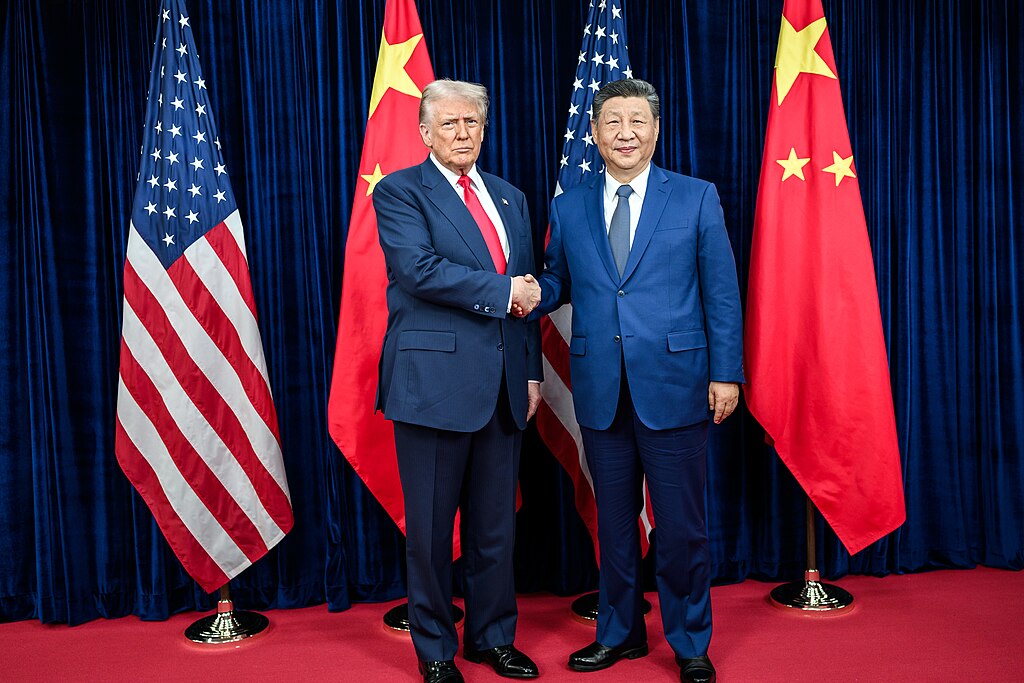
China’s ambassador to the United States, Xie Feng, has urged Washington to respect Beijing’s “red lines” and avoid actions that could derail improving relations, following a recent trade truce between Presidents Xi Jinping and Donald Trump.
Speaking via video link at the U.S.-China Business Council’s annual conference in Shanghai, Xie described the Busan summit between the two leaders as a turning point that “recalibrated” bilateral ties and eased economic tensions affecting businesses on both sides of the Pacific. He emphasized that mutual respect is the foundation for stable relations, stressing that both nations must honor each other’s “core interests and major concerns.”
Xie identified Taiwan, democracy and human rights, China’s political system, and its right to development as Beijing’s four “red lines.” He warned that crossing any of these would lead to “serious consequences” and disrupt the fragile progress achieved in trade negotiations.
Calling for full implementation of the trade and economic consensus reached in Busan and Kuala Lumpur, Xie cautioned that “tariff wars, trade wars, or technology wars will lead to a dead end.” Instead, he encouraged U.S. companies to seize the “positive momentum” from the recent talks by expanding their investments in China.
Highlighting China’s next five-year development plan and reforms aimed at opening up the services sector, Xie said there are vast opportunities for foreign businesses willing to cooperate rather than compete destructively.
However, his remarks came shortly after President Trump announced that Nvidia’s (NASDAQ: NVDA) most advanced Blackwell chips would be restricted to U.S. companies due to national security concerns—a move that underscores ongoing technology tensions between the two countries.
As Beijing and Washington attempt to reset relations, both sides face the challenge of turning diplomatic promises into tangible economic cooperation amid persistent geopolitical rivalry.







