


 Nintendo Shares Slide After Earnings Miss Raises Switch 2 Margin Concerns
  Google Cloud and Liberty Global Forge Strategic AI Partnership to Transform European Telecom Services
  OpenAI Expands Enterprise AI Strategy With Major Hiring Push Ahead of New Business Offering
  Amazon Stock Rebounds After Earnings as $200B Capex Plan Sparks AI Spending Debate
  Nvidia, ByteDance, and the U.S.-China AI Chip Standoff Over H200 Exports
  Nasdaq Proposes Fast-Track Rule to Accelerate Index Inclusion for Major New Listings
  Global PC Makers Eye Chinese Memory Chip Suppliers Amid Ongoing Supply Crunch
  Palantir Stock Jumps After Strong Q4 Earnings Beat and Upbeat 2026 Revenue Forecast
  Sony Q3 Profit Jumps on Gaming and Image Sensors, Full-Year Outlook Raised
  Jensen Huang Urges Taiwan Suppliers to Boost AI Chip Production Amid Surging Demand
  SoftBank and Intel Partner to Develop Next-Generation Memory Chips for AI Data Centers
  Toyota’s Surprise CEO Change Signals Strategic Shift Amid Global Auto Turmoil
  Australian Scandium Project Backed by Richard Friedland Poised to Support U.S. Critical Minerals Stockpile
  Tencent Shares Slide After WeChat Restricts YuanBao AI Promotional Links
  SoftBank Shares Slide After Arm Earnings Miss Fuels Tech Stock Sell-Off
  Uber Ordered to Pay $8.5 Million in Bellwether Sexual Assault Lawsuit
  SpaceX Prioritizes Moon Mission Before Mars as Starship Development Accelerates


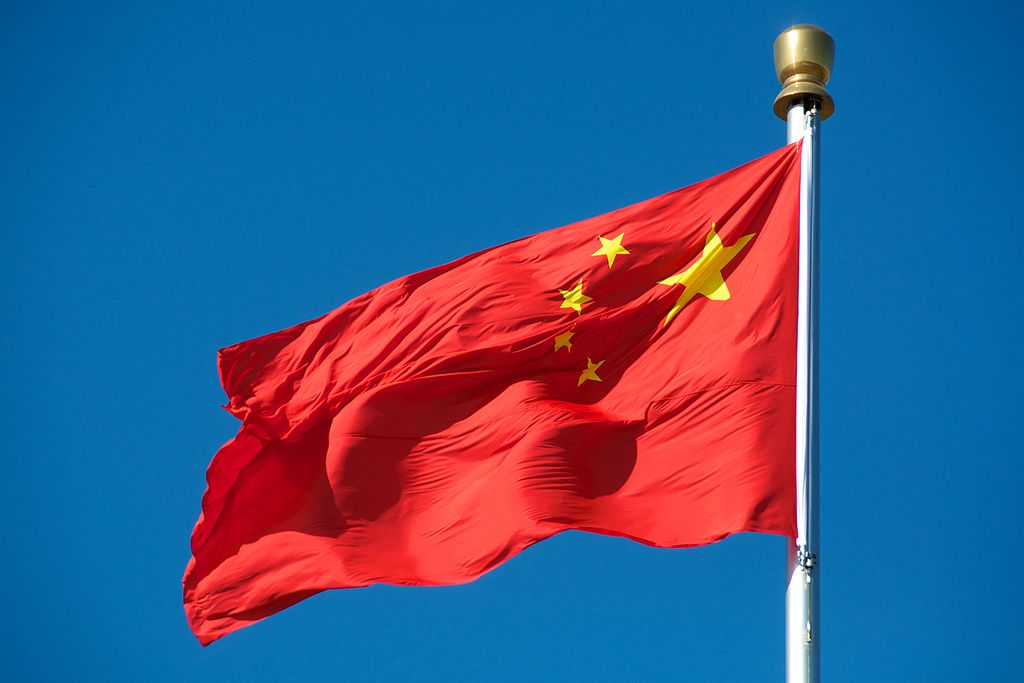
China is accelerating efforts to narrow its technological gap with the United States, driven by increased risk-taking, innovation, and strong policy support for artificial intelligence and semiconductors. Leading Chinese AI researchers say the country has significant potential to rival U.S. dominance in artificial intelligence, although restrictions on advanced chipmaking tools remain a major obstacle.
Confidence in China’s AI sector was highlighted this week by the successful Hong Kong Stock Exchange debuts of so-called “AI tiger” startups MiniMax and Zhipu AI. Their listings reflect growing investor optimism as Beijing fast-tracks AI and chip-related IPOs to strengthen domestic alternatives to advanced U.S. technology. These developments underline China’s ambition to build a self-sufficient AI ecosystem despite ongoing export controls.
Yao Shunyu, a former senior researcher at OpenAI and now chief AI scientist at Tencent, said there is a strong chance a Chinese company could become the world’s leading AI firm within three to five years. He emphasized that China benefits from advantages in electricity supply and large-scale infrastructure, but warned that production capacity remains a bottleneck. According to Yao, limited access to advanced lithography machines and a less mature software ecosystem are the biggest technical hurdles facing China’s AI and semiconductor industries.
China has reportedly developed a working prototype of an extreme-ultraviolet lithography machine that could eventually produce cutting-edge chips comparable to Western technology. However, sources suggest that mass production of viable chips may not occur until around 2030, underscoring the long road ahead.
Industry leaders also acknowledge that the United States still holds a major edge in computing power due to massive investments in data centers and AI infrastructure. Alibaba’s Lin Junyang noted that U.S. computing resources may be one to two orders of magnitude larger than China’s, but said limited resources have pushed Chinese researchers toward efficiency-focused innovation, including algorithm-hardware co-design that allows large AI models to run on smaller, cheaper hardware.
Zhipu AI founder Tang Jie added that a new generation of Chinese entrepreneurs is increasingly willing to embrace high-risk innovation, a cultural shift that could further strengthen China’s AI competitiveness. Together, these trends suggest that while challenges remain, China’s AI sector is rapidly evolving and determined to close the technology gap with the U.S.













