


 China Agrees to Buy 20 Million Tons of U.S. Coal
  US Comfortable With Canada Trade Standoff as Import Bans Loom
  Dollar Holds Near Two-Month High as Yen Approaches 160
  China Consumer Stocks Near Decade Lows as AI Shares Surge
  Dollar Falls as Oil Eases, Yen Jumps on Intervention Signals
  Canadian Dollar Faces Pressure as Fed-BoC Policy Gap Widens
  US Stock Futures Fall as Treasury Yields Surge Ahead of Trump-Xi Summit
  Australia Unemployment Hits Five-Year High Despite Strong Jobs Growth
  ECB May Stop Rate Hikes After December, Capital Economics Says
  Oil Prices Fall on U.S.-Iran Hormuz Deal Hopes
  Japanese Yen Rebounds as Trump Flags Currency Weakness
  U.S. Dollar Hits Two-Month High as Oil, Treasury Yields Surge
  Japanese Bank Stocks Surge as Bond Yields Fuel Rate Hike Bets
  Fed’s Hammack Says Bond Yield Surge Is Not Driven by Inflation Fears
  Fed Unveils Stablecoin Rules Under GENIUS Act
  Gold Holds Near $4,275 as Rising Treasury Yields Fuel Fed Rate Hike Bets
  Soybean Futures Slip as Traders Await Trump-Xi Trade Signals


 Add as a preferred source on Google
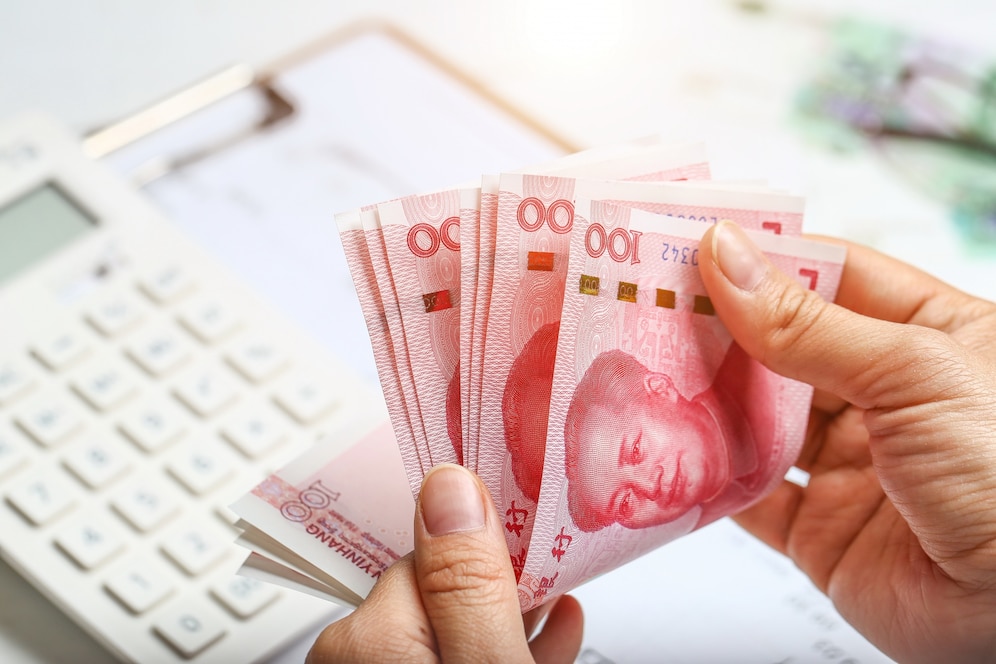
China's 10 Trillion Yuan Stimulus Package: Insights and Implications
China is reportedly on the verge of approving the issuance of over 10 trillion yuan (approximately $1.4 trillion) in additional debt over the coming years to boost its fragile economy. This fiscal package may gain further momentum if Donald Trump wins the upcoming presidential election on November 5.
Analyst Perspectives on the Fiscal Strategy
Tommy Xie, OCBC Bank, Singapore
Xie emphasizes that the current policy is primarily focused on managing the local government's hidden debts while ensuring financial stability. He highlights concerns about the financing of the debt swap, noting that merely converting hidden debts to on-balance-sheet obligations may not suffice to enhance local government expenditures.
Gary Ng, Natixis, Hong Kong
Ng points out that while the stimulus size aligns with market expectations, it may function more as a painkiller than a true economic booster. He stresses that the timing and application of bond issuance will be crucial for assessing its impact on growth.
Alvin Tan, RBC Capital Markets, Singapore
Tan highlights that the effectiveness of the fiscal package hinges on how the debt will be utilized. If a significant portion goes toward local government debt restructuring, the net fiscal impact may be less substantial than anticipated.
Louis Kumis, S&P Global, Hong Kong
Kumis believes that the stimulus should bolster confidence and stimulate growth. However, he warns that unless funds are directed toward idle land and property, the housing market's stabilization may remain elusive.
Lynn Song, ING, Hong Kong
Song indicates that if the stimulus package is indeed approved, it could meet investor expectations, especially if a notable sum is allocated to support the property market.
Conclusion
China's potential 10 trillion yuan stimulus package aims to address pressing economic challenges. While analysts offer cautious optimism, the true efficacy of this initiative will depend on its implementation and focus areas.







