


 Pezeshkian Says US Must Choose When Iran War Ends
  EU Defence Build-Up Too Slow for 2030 Russia Readiness Goal
  NATO Boosts Intelligence Sharing Amid Russia Hybrid Threats
  Netanyahu Takes Aim at Mamdani as Israel Election Nears
  Ukrainian Drone Attacks Hit Russian Regions, Injuring at Least 12
  Ghana Says Western Support Growing for Slave Trade Reparations
  Abbas Reaffirms November 28 Palestinian Elections
  Trump Asks Supreme Court to Restore Third-Country Deportations
  Xi Calls for Deeper U.S.-China AI Cooperation in Trump Talks
  Sudan Rejects US Legitimacy Remarks, Defends Sovereignty
  France Defends Netanyahu Airspace Clearance Despite ICC Warrant
  Yemen Violence Displaces 130,000 as Civilian Toll Rises
  US Backs Musk in Fight Against EU’s €120 Million X Fine
  Netanyahu Defends Israel at UN as Delegates Stage Walkout
  South Korea, US Discuss Warship Building Cooperation
  Kremlin Says No Decision Yet on Putin-Trump December Summit
  What ‘Taiwan Independence’ Means as Xi Presses Trump on US Policy


 Add as a preferred source on Google
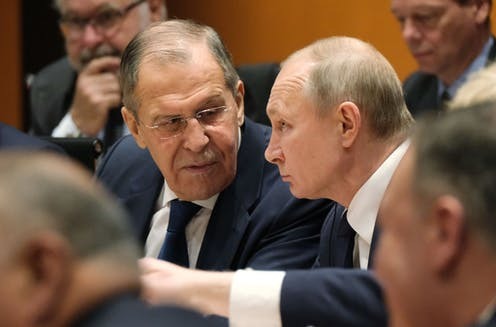
China and Russia reaffirmed their strategic partnership during a high-level diplomatic meeting in Beijing on Sunday, discussing global challenges and the ongoing war in Ukraine. Russian Foreign Minister Sergei Lavrov met with Chinese counterpart Wang Yi ahead of the Shanghai Cooperation Organization (SCO) Foreign Ministers' Council.
Both sides discussed their respective relationships with the United States and emphasized the need for deeper coordination across major international platforms, including the United Nations, G20, BRICS, APEC, and the SCO. Russia's foreign ministry said the two countries reviewed options for resolving the Ukrainian conflict, while also exchanging views on the Korean Peninsula and Iran's nuclear program.
China’s foreign ministry highlighted the importance of close diplomatic alignment with Moscow, noting that such cooperation serves to promote mutual development and stability in an increasingly turbulent global landscape.
Lavrov's visit comes amid heightened geopolitical tensions. The U.S. continues to view China as its primary global competitor and Russia as the leading nation-state threat. Against this backdrop, Beijing and Moscow have strengthened their strategic ties, which were formally deepened in February 2022 when Presidents Xi Jinping and Vladimir Putin declared a "no limits" partnership, just days before Russia’s invasion of Ukraine.
While the West has imposed sanctions on Moscow, Beijing has refrained from condemning the invasion, instead calling for peace negotiations and respecting what it describes as each nation's sovereignty and security concerns. This meeting underscores both countries' efforts to counterbalance Western influence and present a united front in shaping a multipolar world order.
As Lavrov attends the SCO meetings, observers will watch for further signs of deepening cooperation between the two nations as they seek to expand their influence in Eurasia and beyond.







