


 South Korea, US Discuss Warship Building Cooperation
  European Stocks Fall as Bond Yields and Geopolitical Risks Weigh
  US 10-Year Treasury Yield at 6% Emerges as New Market Risk Threshold
  Mexico-US Trade Talks Delayed to October as Tariff Negotiations Continue
  Gold Holds Near $4,275 as Rising Treasury Yields Fuel Fed Rate Hike Bets
  Asian Stocks Fall as Surging Bond Yields Rattle Markets
  Soybean Futures Slip as Traders Await Trump-Xi Trade Signals
  Japan Private-Sector Growth Slows as Domestic Demand Weakens
  Gold Prices Fall as Treasury Yields Rise on Fed Rate Hike Bets
  US Stock Futures Fall as Treasury Yields Surge Ahead of Trump-Xi Summit
  China’s ‘Lipstick King’ Says AI Won’t Replace Livestream Hosts
  U.S. 10-Year Treasury Yield Hits 2007 High as Fed Rate Hike Bets Rise
  RBI Uses $10 Billion Currency Swaps to Drain Excess Rupee Liquidity
  Fed Unveils Stablecoin Rules Under GENIUS Act
  Wall Street Falls as Treasury Yields Surge, Oil Rebounds on Iran Tensions
  Australia Unemployment Hits Five-Year High Despite Strong Jobs Growth


 Add as a preferred source on Google
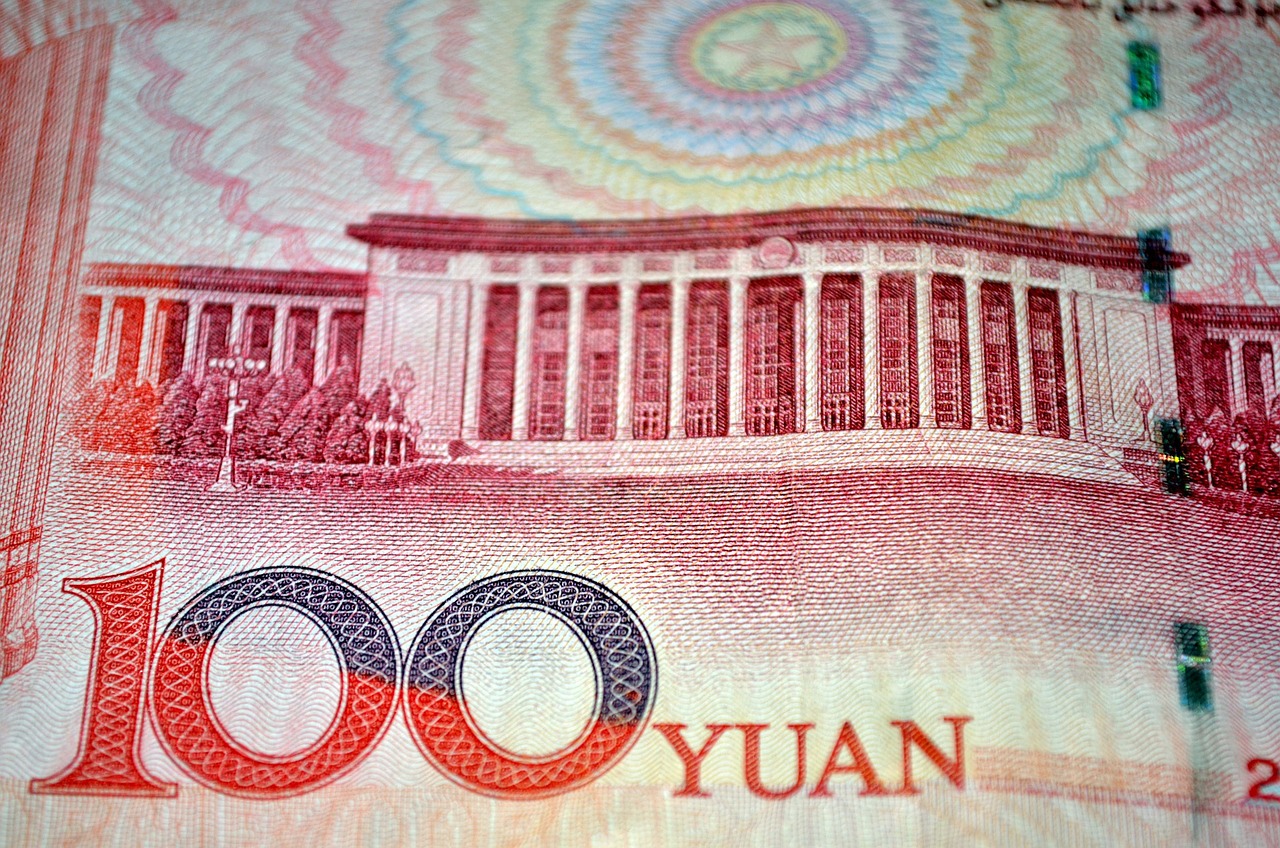
China’s yuan strengthened to a fresh 32-month high against the U.S. dollar on Monday, supported by a combination of central bank guidance, a weaker dollar, and seasonal corporate demand ahead of the Lunar New Year. The People’s Bank of China (PBOC) continued its strategy of carefully steering the currency higher by setting a stronger official midpoint, while still keeping it weaker than market expectations to control the speed of appreciation.
Before trading began, the PBOC fixed the midpoint at 6.9843 per dollar, its strongest level since mid-May 2023. However, the fixing was notably 551 pips weaker than a Reuters market estimate, marking the largest weak-side deviation from forecasts since such data became available in 2022. This reflects the central bank’s balancing act: allowing gradual yuan strength without triggering excessive volatility.
In onshore trading, the yuan rose to a high of 6.9539 per dollar, the strongest since May 2023, before easing slightly. The offshore yuan followed a similar trend, hovering near 6.95 per dollar. Overall, the Chinese currency has gained about 0.5% against the dollar so far this year, building on a strong 4.5% appreciation in 2025, its best annual performance since 2020.
Analysts expect Chinese authorities to increasingly resist further yuan appreciation. Barclays noted that policymakers are likely to introduce more measures in the coming weeks and months to ease upward pressure, maintaining a cautious outlook for a potential medium-term reversal.
Seasonal factors have also played a role in supporting the yuan. As the Lunar New Year approaches in mid-February, Chinese exporters typically convert more foreign currency receipts into yuan to cover expenses such as employee bonuses. Market participants expect this support to fade soon as holiday-related conversions slow.
Meanwhile, broader Asian currency markets saw gains after the Japanese yen surged on speculation of possible coordinated intervention by U.S. and Japanese authorities, adding another layer of complexity to regional foreign exchange dynamics.







