


 Pope Leo Backs Press Freedom After White House Media Ban
  Japanese Yen Rebounds as Trump Flags Currency Weakness
  France Defends Netanyahu Airspace Clearance Despite ICC Warrant
  Xi Calls for Deeper U.S.-China AI Cooperation in Trump Talks
  Saudi Arabia Seeks Military Support as Houthi Attacks Escalate
  RBI Uses $10 Billion Currency Swaps to Drain Excess Rupee Liquidity
  Oil Prices Fall on U.S.-Iran Hormuz Deal Hopes
  US Stock Futures Fall as Treasury Yields Surge Ahead of Trump-Xi Summit
  US Supreme Court Revives Trump Administration Voter Citizenship Database
  Trump Asks Supreme Court to Restore Third-Country Deportations
  Dollar Holds Near Two-Month High as Yen Approaches 160
  Najib Razak Seeks Stay of 15-Year 1MDB Prison Sentence
  Gold Holds Near $4,275 as Rising Treasury Yields Fuel Fed Rate Hike Bets
  Netanyahu Defends Israel at UN as Delegates Stage Walkout
  What ‘Taiwan Independence’ Means as Xi Presses Trump on US Policy
  Trump, Xi Focus on Trade and AI at White House Summit
  Australia Unemployment Hits Five-Year High Despite Strong Jobs Growth


 Add as a preferred source on Google
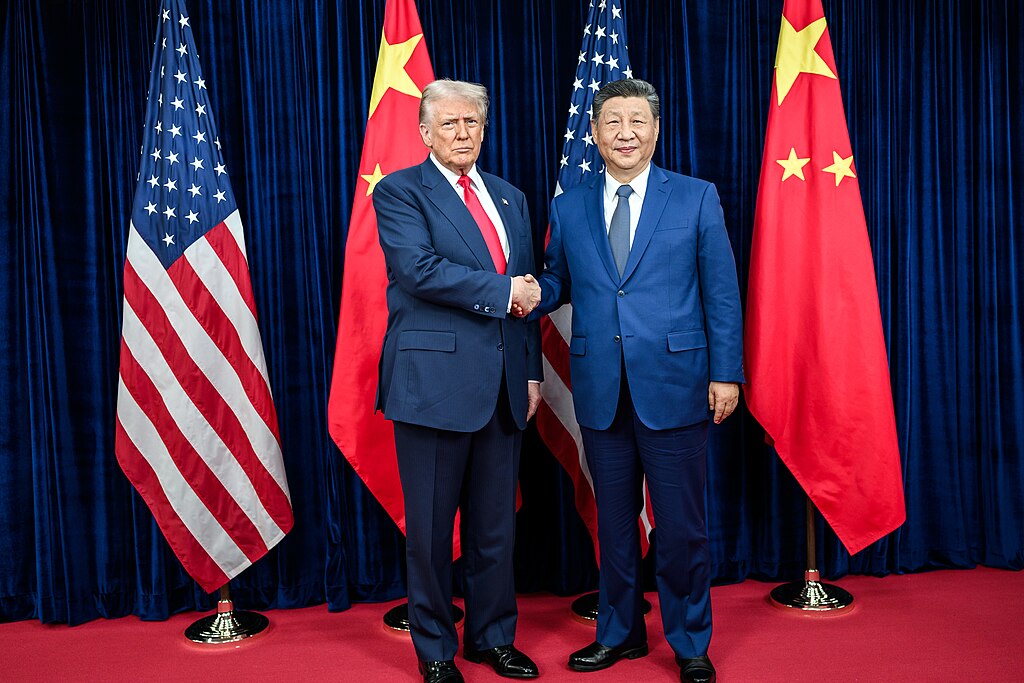
China confirmed it will suspend retaliatory tariffs on select U.S. imports following last week’s meeting between President Donald Trump and Chinese President Xi Jinping. Starting November 10, Beijing will remove duties of up to 15% on certain American agricultural goods but maintain a 10% levy introduced earlier, along with a 13% tariff on U.S. soybeans.
The move signals progress in easing trade tensions between the world’s two largest economies after years of tariff disputes that disrupted global supply chains. Analysts say the decision shows both sides are committed to implementing their recent trade understandings.
U.S. soybean futures surged to their highest level since June 2024 amid hopes for renewed Chinese demand. However, the continued 13% tariff keeps American soybeans less competitive compared to Brazilian supplies. With Brazilian beans priced over $1 cheaper per bushel, traders expect limited Chinese purchases from the United States unless Beijing fully waives the duty.
Despite the tariff, the White House announced China’s intention to buy at least 12 million metric tons of U.S. soybeans by year-end and 25 million tons annually over the next three years. China has yet to confirm these commitments. Analysts suggest state grain buyer Sinograin may handle most purchases, as it operates outside commercial constraints and contributes to national reserves.
Before the leaders’ meeting, state-owned trader COFCO made symbolic U.S. soybean purchases from the 2025 harvest, signaling goodwill. In 2024, the U.S. accounted for just 20% of China’s soybean imports—down from 41% in 2016.
China’s cabinet also announced a one-year suspension of an additional 24% tariff on certain U.S. goods and the temporary removal of non-tariff measures imposed earlier this year. The decision highlights cautious optimism for improved U.S.-China trade relations while global markets await concrete signs of large-scale agricultural purchases.







