


 US Dollar Hits Two-Month High as Fed Rate Hike Bets Rise
  Oil Prices Ease as Iran Tensions Clash With Diplomacy Hopes
  Australia Unemployment Hits Five-Year High Despite Strong Jobs Growth
  Dollar Hits Two-Month High as Fed Rate Hike Bets Rise
  Asian Currencies Mixed as Dollar Holds Near Two-Month High
  U.S. 10-Year Treasury Yield Hits 2007 High as Fed Rate Hike Bets Rise
  US Stock Futures Rise as Meta Muse Fuels AI Rally
  Japan Private-Sector Growth Slows as Domestic Demand Weakens
  Gold Prices Fall as Treasury Yields Rise on Fed Rate Hike Bets
  Vietnam, US Trade Deal Could Be Signed Soon, To Lam Says
  South Korea, US Discuss Warship Building Cooperation
  Gold Prices Rise as Oil Slump Eases Fed Rate Hike Fears
  China’s ‘Lipstick King’ Says AI Won’t Replace Livestream Hosts
  Asian Stocks Fall as Bond Yields Surge Ahead of Trump-Xi Summit
  Asian Currencies Muted as Dollar Firms Ahead of Trump-Xi Summit
  Wall Street Falls as Treasury Yields Surge, Oil Rebounds on Iran Tensions


 Add as a preferred source on Google
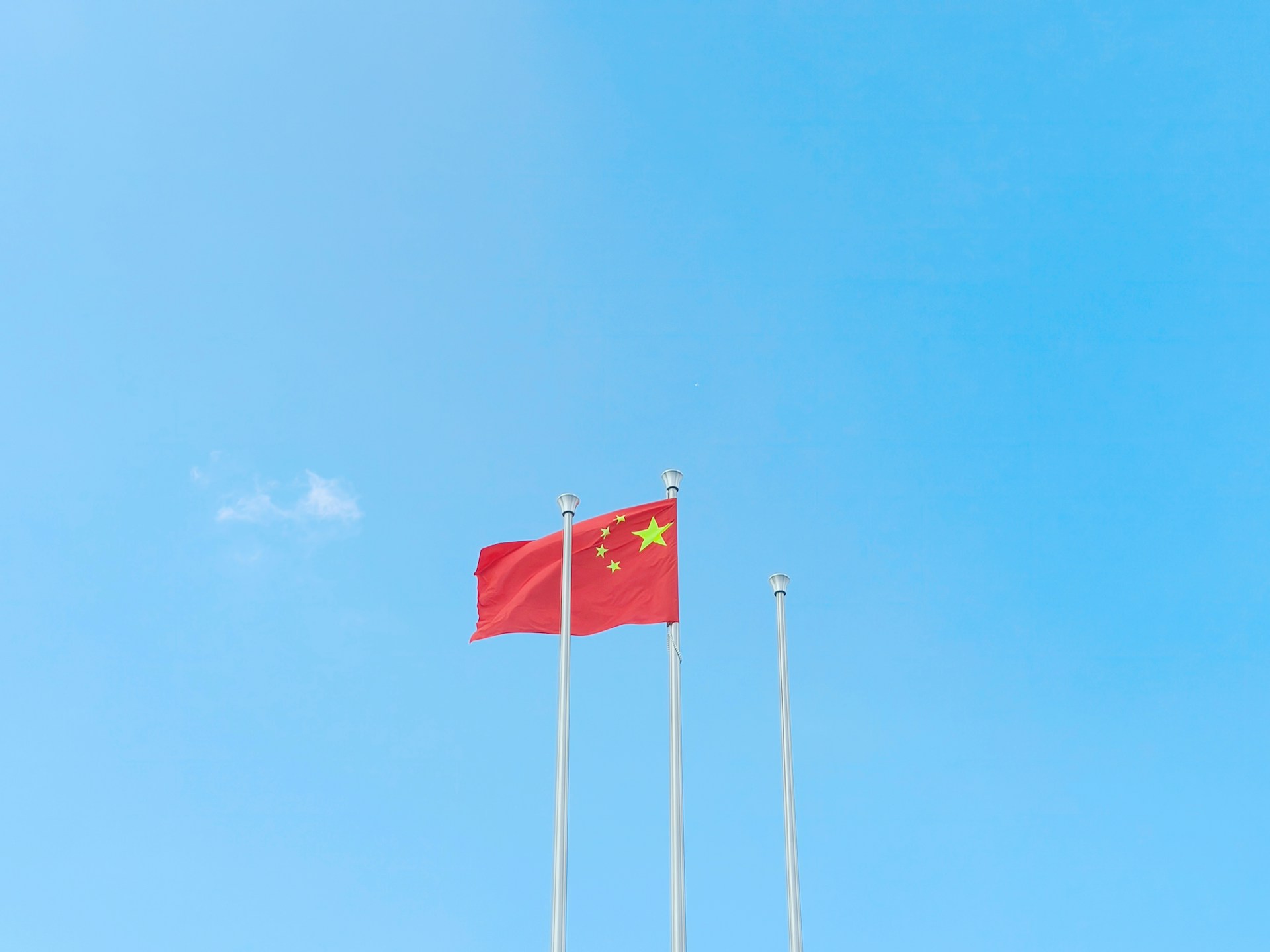
Amid escalating trade tensions with the United States under the leadership of President-elect Donald Trump, China unveiled plans to ramp up its budget deficit, issue more debt, and ease monetary policies. These measures, announced during the annual Central Economic Work Conference (CEWC), signal Beijing's determination to shield its economy from external threats.
"The adverse impact brought by changes in the external environment has deepened," declared national broadcaster CCTV following the high-level, closed-door meeting. The conference outlined key strategies for 2025, focusing on countering trade challenges, particularly higher U.S. tariffs, while stabilizing economic growth.
The CEWC's pledges included "appropriately loose" monetary policies, proactive fiscal strategies, and timely reductions in bank reserve requirements and interest rates. Analysts believe these moves prioritize economic growth over financial risk, a significant policy shift for the world's second-largest economy.
Balancing Growth Amid Challenges
China's economic landscape remains fraught with difficulties. The nation grapples with a severe property market crisis, mounting local government debt, and weakening domestic demand. Compounding these issues, exports—once a bright spot in China's economy—are under threat from Trump's proposed tariffs on over $400 billion worth of goods annually.
To mitigate these risks, Beijing plans to expand subsidy programs for consumer goods and raise pensions to boost household spending. However, many analysts, including Xu Tianchen, senior economist at the Economist Intelligence Unit, warn that achieving a 5% growth target for 2025 will be challenging. "The extra 'Trump shock' will hit exports and capital expenditure, but a good level of stimulus will prevent a freefall," Xu remarked, predicting growth will likely remain above 4.5%.
Domestic Consumption as the New Growth Engine
Faced with declining export revenues, China aims to shift its growth strategy inward. The CEWC summary emphasized the importance of "vigorously boosting consumption," signaling plans to increase household incomes and expand subsidy schemes for cars, appliances, and other goods.
Lynn Song, ING’s chief economist for Greater China, noted, "The call to boost consumption is encouraging. However, implementing effective policies will be key to driving growth."
Despite these efforts, low consumer confidence persists due to falling property prices and limited social welfare. Analysts caution that weak household demand remains a critical risk to China’s economic recovery.
Netizens React to China’s Strategy
As news of China’s economic measures spread, social media users shared their views:
- @TradeGuru: “China’s doubling down on debt. Will it work, or is this a band-aid on a bullet wound?”
- @GlobalEconWatcher: “Trump’s tariffs could push China into deeper economic reform. Interesting times ahead!”
- @YuanObserver: “Allowing the yuan to weaken might help exports, but risks inflation. Tricky balancing act for Beijing.”
- @InvestSmart2024: “Subsidies to boost consumption? About time, but households need long-term confidence, not just short-term cash.”
- @PolicyPundit: “Trump’s return to the White House is shaping global markets again. China’s playing a defensive game here.”
- @BeijingBuzz: “Can’t blame China for preparing to fight back. Tariffs are bad for everyone!”







