


 BOJ Raises Interest Rate to 31-Year High as Yen Weakens
  US Stock Futures Rally as Markets Digest Fed Rate Hike
  Yen Slides After BOJ Rate Hike as Dollar Holds Near Seven-Week High
  Australia Plans New Rules Giving Users Control Over Social Media Feeds
  Asian Currencies Mixed as Dollar Hits Seven-Week High After Fed Hike
  Judge Blocks Trump Rule Limiting Foreign Student Visas
  Asian Stocks Rise After Fed Rate Hike
  Google Changes EU Spam Policy Amid Antitrust Scrutiny
  Mexico Pushes for US Trade Deal Before Midterms
  Nvidia-Groq AI Chip Deal Faces U.S. Antitrust Probe
  U.S. Imposes New Visa Restrictions Over South Africa Policies
  Brazil Warns EU of Retaliation Over Animal Products Ban
  Trump Hopes Iran War Nears End as Yemen Fighting Escalates
  Pentagon Restarts Testosterone Testing for US Troops
  Yen Sinks as BOJ Rate Hike Fails to Impress Markets
  SEC Seeks ISS Client Voting Records in Proxy Adviser Probe
  Asian Chip Stocks Rally as Treasury Yields Ease


 Add as a preferred source on Google
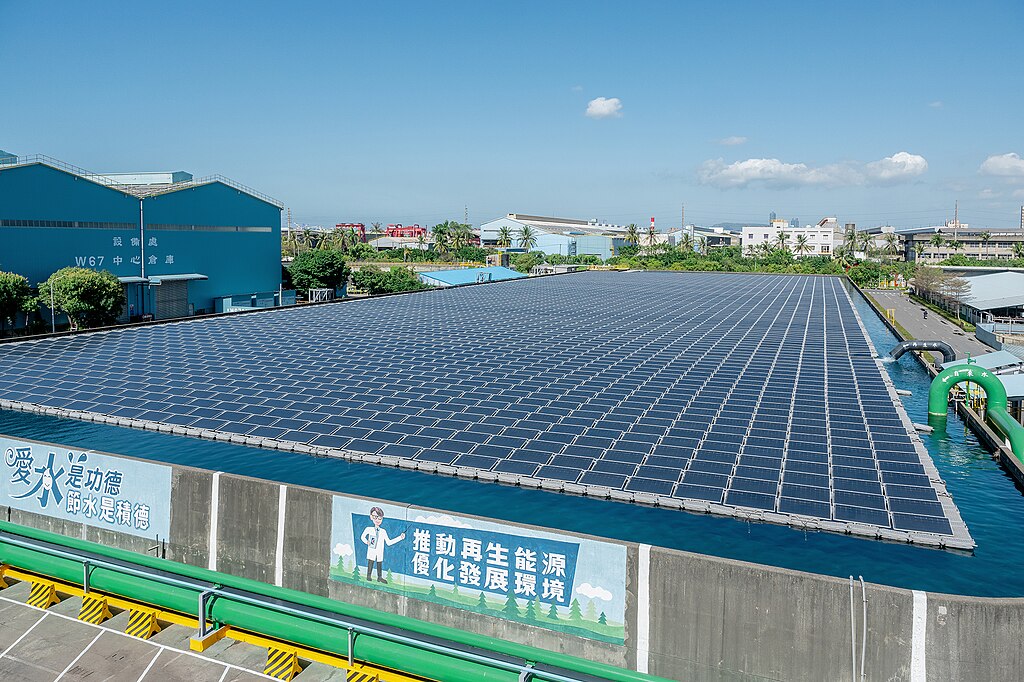
China’s top economic planning agency announced plans to scale back subsidies for renewable energy projects after a record surge in solar and wind power installations. In 2024, China’s installed solar capacity soared by 45%, reaching 887 GW—over six times that of the U.S., according to the International Renewable Energy Agency.
This rapid expansion allowed China to hit its 2030 clean energy target six years ahead of schedule. The shift comes as President Donald Trump withdraws the U.S. from the Paris climate accord for a second time, focusing instead on fossil fuel expansion.
The National Development and Reform Commission (NDRC) and China’s energy administration introduced "market-oriented" policy changes, stating that renewable energy now makes up more than 40% of China's total energy capacity. The NDRC emphasized that lower development costs have reduced the need for subsidies.
Starting in June, new renewable energy projects will be subject to market-based bidding for electricity prices. The NDRC assured that residential and agricultural electricity costs would remain unchanged, while industrial and commercial rates would see minimal impact.
The agency is working with local governments to implement the new policies but did not disclose the pricing formula. Reduced subsidies could challenge China’s solar industry, already struggling with overcapacity and falling solar panel prices. Smaller producers may face bankruptcy as competition intensifies.
China’s clean energy transition remains a global focal point, with its rapid growth contrasting the U.S.’s shift back to fossil fuels. The new policy marks a significant shift in China’s energy landscape, signaling a move toward market-driven renewable energy pricing.







