


 Soybean Futures Slip as Traders Await Trump-Xi Trade Signals
  China Agrees to Buy 20 Million Tons of U.S. Coal
  Asian Stocks Fall as Bond Yields Surge Ahead of Trump-Xi Summit
  Oil Prices Fall on U.S.-Iran Hormuz Deal Hopes
  Gold Holds Near $4,275 as Rising Treasury Yields Fuel Fed Rate Hike Bets
  Australia Unemployment Hits Five-Year High Despite Strong Jobs Growth
  US Comfortable With Canada Trade Standoff as Import Bans Loom
  RBI Uses $10 Billion Currency Swaps to Drain Excess Rupee Liquidity
  UK PM Burnham to Unveil Economic Vision at Labour Conference
  European Stocks Fall as Bond Yields and Geopolitical Risks Weigh
  US Stock Futures Fall as Treasury Yields Surge Ahead of Trump-Xi Summit
  Fed Unveils Stablecoin Rules Under GENIUS Act
  Oil Prices Jump 3% as Houthi Attack Revives Supply Fears
  Trump, Xi Focus on Trade and AI at White House Summit
  US 10-Year Treasury Yield at 6% Emerges as New Market Risk Threshold
  Canadian Dollar Faces Pressure as Fed-BoC Policy Gap Widens


 Add as a preferred source on Google
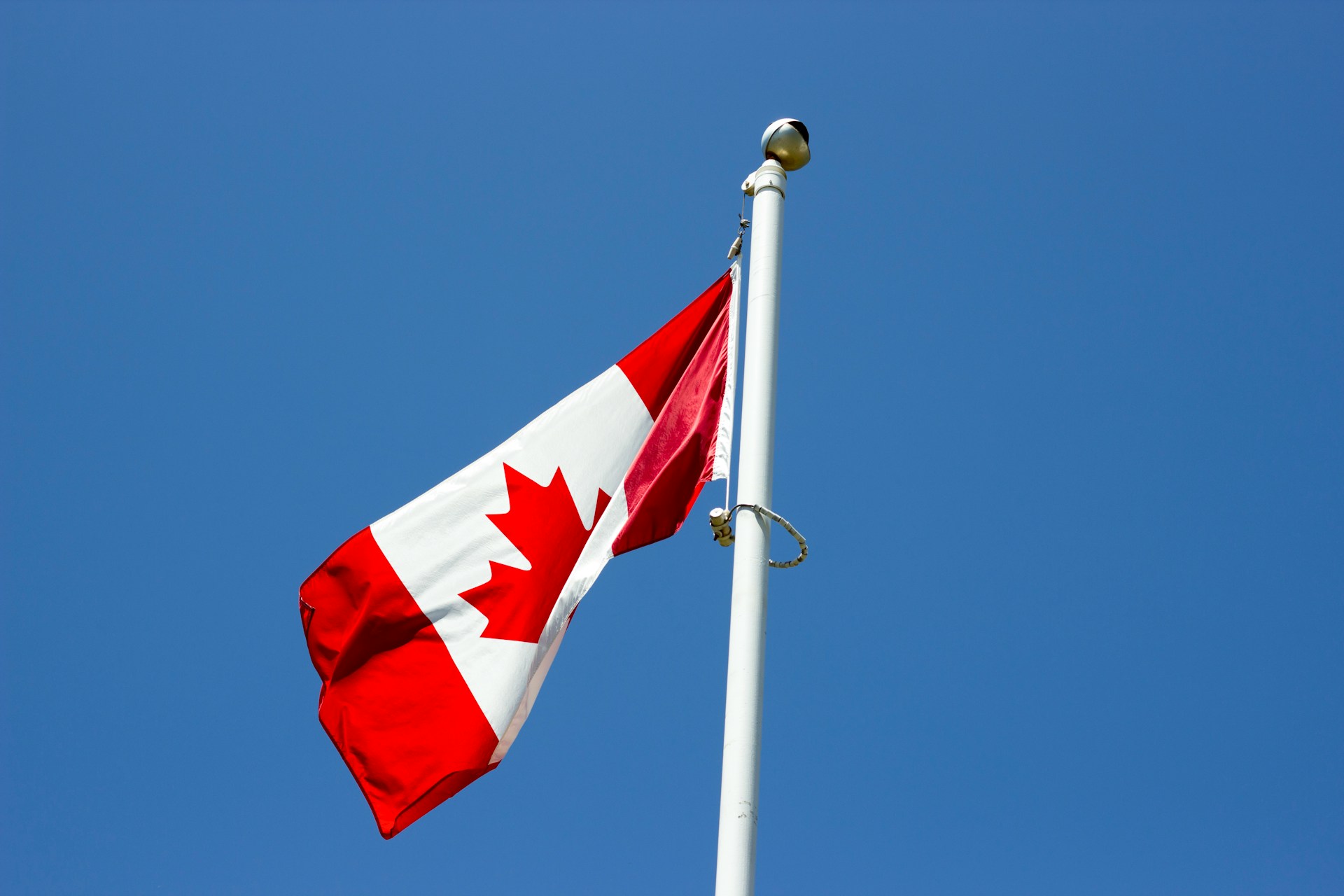
Canada’s AAA sovereign credit rating remains stable, but some provinces could suffer if U.S. tariffs take effect, analysts warn. President Donald Trump’s proposed 25% duty on Canadian imports, set for March 4, could disproportionately impact provinces heavily reliant on U.S. exports or struggling with fiscal deficits.
Fitch Ratings’ Douglas Offerman highlighted Ontario and Quebec as particularly vulnerable due to their manufacturing industries. Alberta and Saskatchewan, key exporters of energy and potash, also face risks. Morningstar DBRS’ Travis Shaw noted that even provinces with minimal U.S. trade exposure, like British Columbia and Nova Scotia, could struggle due to high debt levels.
Moody’s Ratings has already flagged a potential trade war as “credit-negative” for all Canadian provinces, predicting lower growth and revenue losses. Compounding concerns, the federal government’s immigration cuts could further strain provincial finances. Alberta’s latest budget forecasts a C$5.2 billion deficit for 2025/26 if tariffs hit, in stark contrast to its expected C$5.8 billion surplus for the current fiscal year.
Ontario, contributing nearly half of Canada’s 1.2% economic growth in 2023, derives 17% of its GDP from U.S. exports, including automobiles, metals, and consumer goods. Quebec, home to a major aerospace industry, and Manitoba also have significant exposure, with more than 15% and 16% of their GDPs tied to U.S. trade, respectively.
Analysts suggest these provinces may require additional government support to withstand the financial strain. Collectively, Canada’s provinces have a fiscal buffer of approximately C$100 billion before surpassing pre-pandemic debt-to-GDP levels, according to Desjardins economist Laura Gu.
While provincial credit ratings remain stable for now, the looming tariff threat remains a significant economic risk.







