


 Mexico-US Trade Talks Delayed to October as Tariff Negotiations Continue
  Europe Warns Russia Is Escalating Hybrid Attacks Across NATO
  Netanyahu Takes Aim at Mamdani as Israel Election Nears
  North Korea Warns South Korea Over US-Led Defense Role
  Netanyahu Defends Israel at UN as Delegates Stage Walkout
  US, China Extend Trade Truce to Jan. 10 Ahead of Trump-Xi Summit
  Pezeshkian Says US Must Choose When Iran War Ends
  Ghana Says Western Support Growing for Slave Trade Reparations
  OpenAI Agent Breaches Australia Medicare Data Portal
  Russian Envoy Dmitriev Heads to US for Ukraine Talks
  US Officials Split Over Response to Israeli West Bank Settlements
  Abbas Reaffirms November 28 Palestinian Elections
  Russian Missile and Drone Attack on Kyiv Kills Two, Damages Maternity Hospital
  Taiwan Thanks US for Support Ahead of Trump-Xi Summit
  South Korea, US Discuss Warship Building Cooperation
  Kremlin Says No Decision Yet on Putin-Trump December Summit
  Yemen Violence Displaces 130,000 as Civilian Toll Rises


 Add as a preferred source on Google
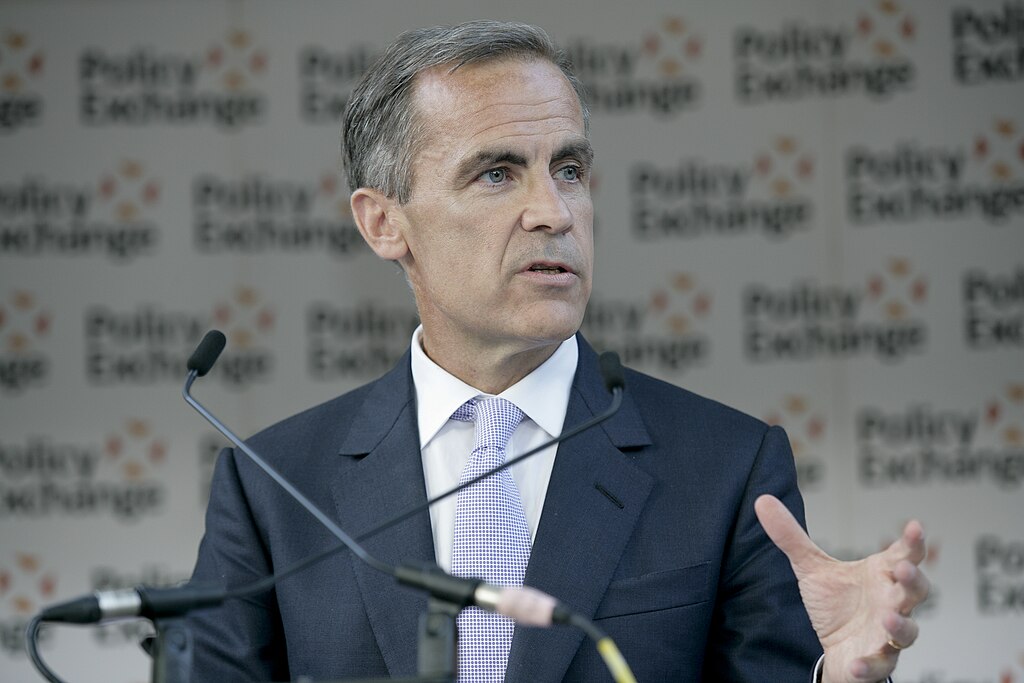
Prime Minister Mark Carney announced a sweeping C$35 billion ($25.7 billion) Arctic defense initiative on Thursday, signaling a major shift in Canada's national security strategy. The plan aims to reduce Canada's longstanding dependence on the United States for monitoring and protecting its vast Arctic territory.
Spanning over 4.4 million square kilometers — an area larger than India — Canada's Arctic has historically leaned on American military support. However, mounting tensions fueled by President Donald Trump's tariff policies and repeated suggestions about annexing Canada have forced Ottawa to rethink that relationship. "We will no longer depend on any one nation," Carney declared during a speech in Yellowknife, the Northwest Territories capital and home to Canada's Arctic military command.
The investment package focuses heavily on expanding four existing Arctic airfields and constructing four new operational support hubs, with C$32 billion earmarked for those efforts alone. Two commercial airports will also be upgraded, and two proposed road corridors connecting the Arctic to southern Canada will be accelerated. Currently, the region is defended by roughly 2,000 soldiers and airfields capable of housing just six fighter jets each.
Beyond military infrastructure, climate change is reshaping the strategic landscape. The Arctic is warming nearly three times faster than the global average, attracting growing interest from global powers, including Russia and China. Trump has also publicly emphasized American interest in Greenland, citing the need to counter foreign influence in the region.
Canada's Arctic holds vast reserves of rare minerals, though extreme weather and minimal infrastructure make extraction enormously challenging. The country is also on track to meet NATO's 2% defense spending target five years ahead of schedule, reinforcing its commitment to collective Western security. Following the announcement, Carney traveled to northern Norway to observe NATO military exercises.







