


 Netanyahu Defends Israel at UN as Delegates Stage Walkout
  U.S. 10-Year Treasury Yield Hits 2007 High as Fed Rate Hike Bets Rise
  Russian Envoy Dmitriev Heads to US for Ukraine Talks
  U.S. Treasury Yields Surge as 30-Year Hits 22-Year High
  US Dollar Hits Two-Month High as Fed Rate Hike Bets Rise
  Judge Orders Trump to Restore White House Access for CNN, MS NOW and Politico
  US, China Extend Trade Truce to Jan. 10 Ahead of Trump-Xi Summit
  Gold Prices Fall as Treasury Yields Rise on Fed Rate Hike Bets
  Soybean Futures Slip as Traders Await Trump-Xi Trade Signals
  Netanyahu Takes Aim at Mamdani as Israel Election Nears
  Kremlin Says No Decision Yet on Putin-Trump December Summit
  European Stocks Fall as Bond Yields and Geopolitical Risks Weigh
  NATO Boosts Intelligence Sharing Amid Russia Hybrid Threats
  China’s ‘Lipstick King’ Says AI Won’t Replace Livestream Hosts
  Gold Drops Over 1% as Dollar, Treasury Yields Surge on Fed Rate Hike Bets
  Ghana Says Western Support Growing for Slave Trade Reparations
  US Backs Musk in Fight Against EU’s €120 Million X Fine


 Add as a preferred source on Google
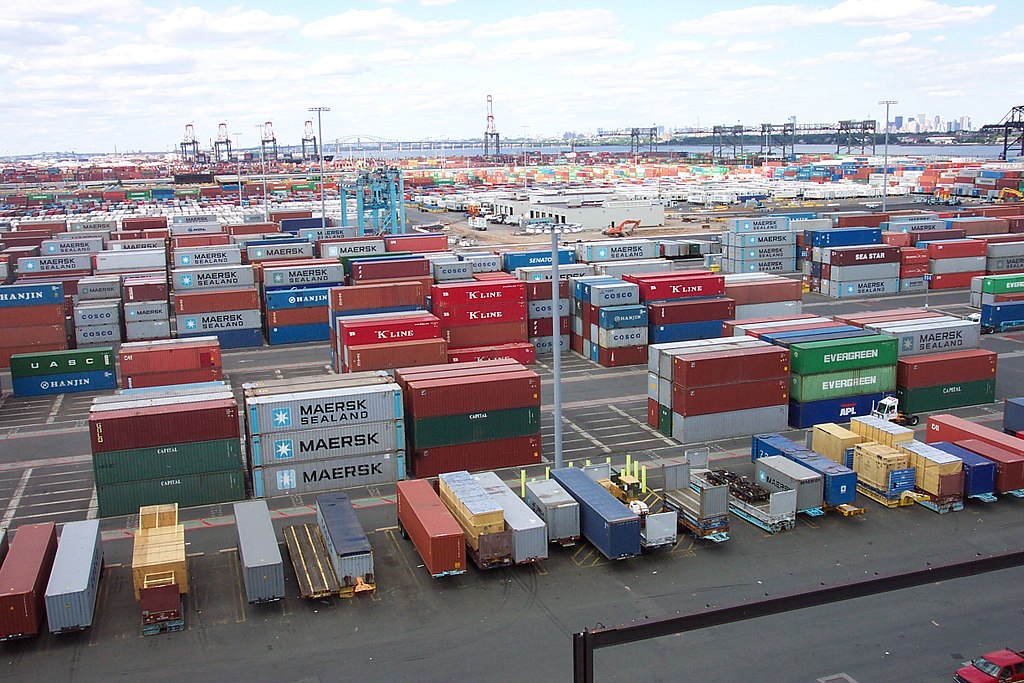
The Trump administration has opened sweeping new trade investigations targeting 16 major trading partners, signaling a fresh push to restore tariff leverage after the U.S. Supreme Court struck down a key pillar of President Trump's tariff agenda last month.
U.S. Trade Representative Jamieson Greer announced the "Section 301" unfair trade practices probes, which could result in new tariffs against China, the European Union, India, Japan, South Korea, and Mexico as early as this summer. Additional countries under scrutiny include Taiwan, Vietnam, Thailand, Malaysia, Cambodia, Singapore, Indonesia, Bangladesh, Switzerland, and Norway. Canada was notably excluded from the list.
The investigations will examine whether these economies maintain structural excess industrial capacity — including persistent trade surpluses, unused manufacturing capacity, heavy government subsidies, suppressed wages, and currency manipulation — that unfairly disadvantages American producers and floods global markets with artificially cheap goods.
Greer also announced a separate forced labor probe covering more than 60 countries, set to launch the following day under the same section of the Trade Act of 1974. The investigation aims to expand existing import bans on goods produced under forced labor conditions, building on legislation previously signed by former President Biden targeting imports from China's Xinjiang region.
The administration has set an aggressive timeline, with public comments accepted through April 15 and a hearing scheduled for around May 5. Officials hope to finalize both investigations, including proposed remedies, before temporary 10% tariffs — imposed after the Supreme Court ruling — expire in July.
These probes are widely seen as a strategic move to maintain negotiating pressure on trading partners and protect ongoing trade agreements. Trump has made clear his administration will continue pursuing tariffs as a tool to reduce the U.S. trade deficit and strengthen domestic manufacturing through every legal avenue available.







