


 Asian Currencies Muted as Dollar Firms Ahead of Trump-Xi Summit
  Gold Prices Slip as Strong Dollar and Hawkish Fed Pressure Bullion
  Asia Stocks Rise on AI Demand as Oil Eases
  UK Home Asking Prices Rise for First Time Since May
  US Stock Futures Rise as Meta Muse Fuels AI Rally
  Europe Jet Fuel Deficit Drives South Korean Imports to Four-Year High
  U.S. Dollar Hits Eight-Week High After Fed Rate Hike
  US, Denmark and Greenland Set to Sign Arctic Security Deal
  US-China Talks Target AI, Tariffs Ahead of Trump-Xi Summit
  US Plans Two New Military Bases in Greenland Under Arctic Deal
  Zelenskiy Meets CIA Chief John Ratcliffe at Ireland’s Shannon Airport
  Russian Strikes Kill Eight Across Ukraine as Energy Sites Hit
  Yen in Focus as BOJ, Fed Rate Hikes Reshape Currency Markets
  Gold Prices Hold Steady Ahead of Trump-Xi Summit, Middle East Risks
  Kremlin Says No Grounds Yet for Ukraine Peace Talks
  Asian Stocks Mixed Ahead of Trump-Xi Meeting
  Paramount-Warner Bros $110 Billion Deal Draws Antitrust Backlash


 Add as a preferred source on Google
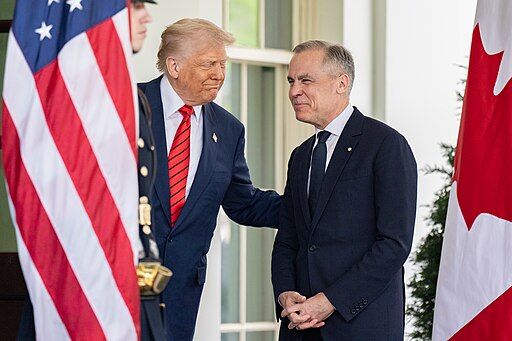
Canadian Prime Minister Mark Carney said Canada is prepared to take whatever steps are necessary to defend its economy as trade tensions with the United States escalate following President Donald Trump's decision to impose new 50% tariffs on a range of Canadian products starting August 19.
Speaking at a meeting of provincial premiers in Charlottetown, Prince Edward Island, Carney described the U.S. tariffs as unjustified and confirmed that Ottawa is intensifying trade negotiations with Washington. He warned that Canada is ready to respond if talks fail, saying all retaliatory options remain under consideration, though he did not outline specific measures.
The renewed dispute comes after Trump decided on July 1 not to extend the United States-Mexico-Canada Agreement (USMCA) for another 16 years. While the trade pact remains in effect, it will now face annual reviews, adding uncertainty to North American trade relations.
The United States is holding separate trade negotiations with Canada and Mexico, with U.S. officials indicating that discussions with Mexico are progressing more quickly. That has fueled concerns that Washington could demand greater concessions from Canada if Mexico reaches a more favorable agreement.
Carney emphasized that his government is seeking a comprehensive trade agreement rather than negotiating separate deals for individual industries. He also stressed that Canada remains committed to protecting its national economic interests throughout the talks.
However, Canada's provinces remain divided on how aggressively to respond. Alberta and Saskatchewan, which export large volumes of crude oil and potash to the United States, oppose using export restrictions or duties as leverage.
Ontario Premier Doug Ford urged Ottawa to match the U.S. tariffs "dollar for dollar," while acknowledging the difficult position Carney faces in negotiations with Trump.
Meanwhile, British Columbia Premier David Eby suggested the province could restrict U.S. access to critical mineral exports, including copper, zinc, and aluminum, if requested by the federal government. Eby said British Columbia stands ready to support Ottawa with stronger negotiating tools should trade discussions with the United States require additional pressure.







