


 BOJ Set for Rate Hike as Inflation and Yen Pressure Mount
  Yen Extends Gains as BOJ Rate Hike Bets Rise
  Yen Sinks as BOJ Rate Hike Fails to Impress Markets
  China Boosts Gold Reserves by 650,000 Ounces as Prices Rally
  Japanese Yen Retreats as Dollar Rises Ahead of Fed, BOJ Rate Decisions


 Add as a preferred source on Google
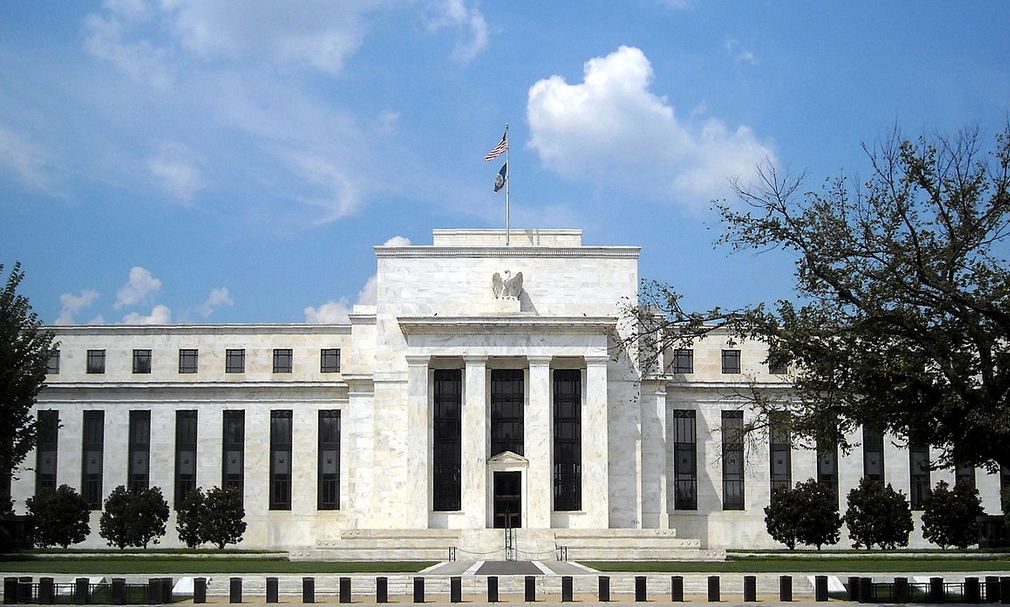
This week's US FOMC meeting could set the tone for USD/Asia.
With the recent risk rally, improvement in China's data and a loosening in financial conditions on the back of the USD depreciation, the Fed will likely be less dovish.
The outlook has not been deemed ‘balanced’ since December and a shift back toward such language would likely provide for broad-based USD strength on the back of firming expectations for policy normalization.
Markets are starting off the week with modest risk aversion given broad-based declines across Asian and European equity indices and weakness in U.S. equity futures.
The U.S. 10Y yield is steady and commodities are quiet as copper and oil consolidate within a narrow range.
However, from the flows side, month-end USD selling by Asian exporters will help cap USD/Asia early in the week.
NEER trades out of line with fundamentals. This week's data could reinforce this view.
While, NZD is likely to trade cautiously ahead of a big week for central banks, with the RBNZ’s announcement on Thursday sandwiched between the Fed’s and the BoJ’s.
Asian FX and rates markets rallied again over the past week with SGD markets outperforming.
If the Fed continues to signal a dovish stance, then Asian asset markets can rally further.
We have four bond auctions this week, including: IDR 5Y, 10Y, 20Y; SGS 7Y; THB 15Y and MGS 7Y.
If the Fed continues to signal a dovish stance, then Asian asset markets can rally further.
Overall, FOMC will dominate in terms of this week’s event risk and the statement tone will be scrutinized for its assessment of the balance of risks to the outlook.







