


 Meta Challenges Australia’s Proposed Tech Tax, Citing U.S. Trade Agreement Concerns
  Bain Capital Nears Deal for Majority Stake in Volkswagen Marine Engine Unit Everllence
  US Urges Europe to Impose Ebola Travel Restrictions Ahead of FIFA World Cup 2026
  Trump Administration Closes Delta Air Lines Investigation Over 2024 CrowdStrike Outage
  DOJ Sues Virginia Over Law Enforcement Mask Ban
  China Adds MP Materials, USA Rare Earth to Export Control List Amid Escalating U.S.-China Trade Tensions
  Apollo Debt Solutions Limits Redemptions as Withdrawal Requests Surge
  Cerebras Revenue Forecast Tops Expectations, but Margin Concerns Weigh on Stock
  Trump Administration Plans Deportation of Iranian Migrants to Central African Republic Under New Third-Country Deal
  Alphabet Stock Slides as AI Talent Exodus and SpaceX Losses Shake Investor Confidence
  Tencent Reviews Marvelous Stake as Gaming Giant Reassesses Global Investment Strategy
  NHTSA Investigates Fatal Tesla Model 3 Crash in Texas Amid Ongoing Autopilot and FSD Safety Scrutiny
  Baseten Secures $1.5 Billion Funding at $13 Billion Valuation Amid AI Infrastructure Boom
  Heineken Names JDE Peet’s CEO Rafael Oliveira as New Chief Executive
  Meta Pauses Employee Activity Tracking Program Over Data Security Concerns
  Samsung Electronics Stock Surges on Report of Massive $59 Billion Share Buyback Plan


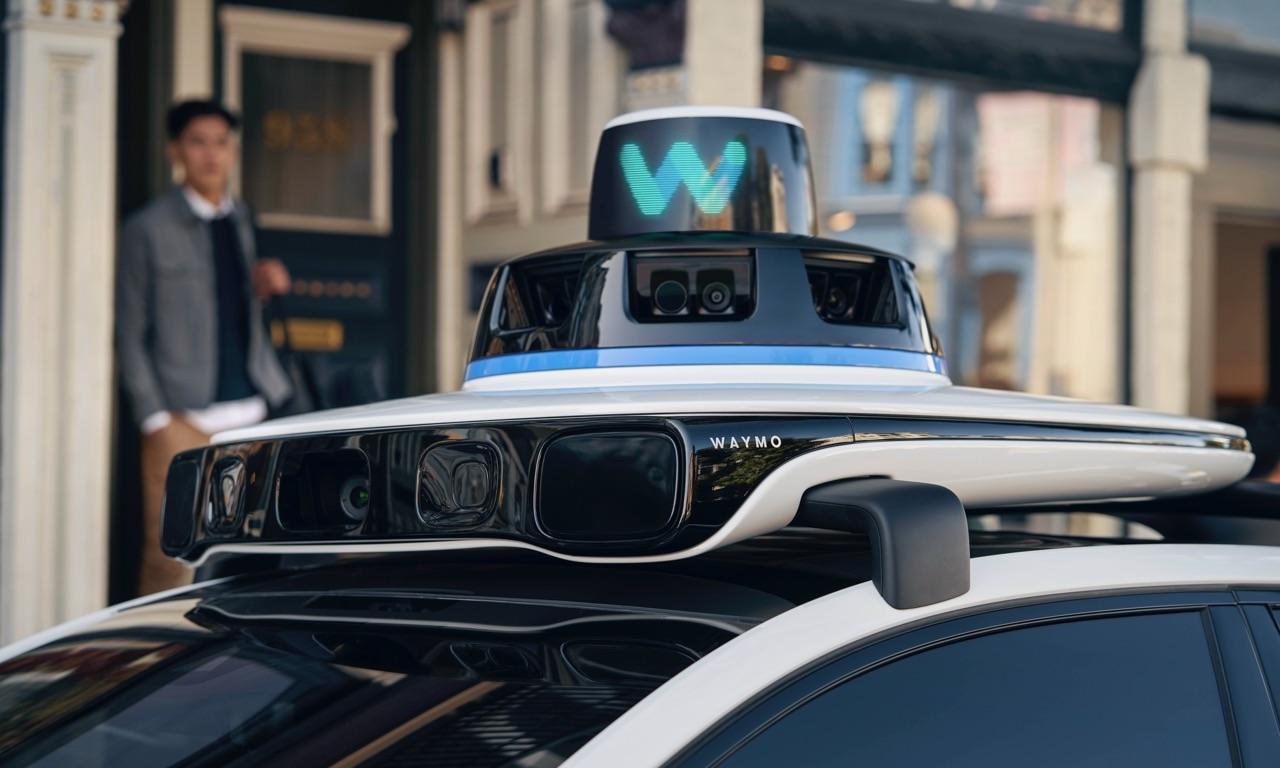
A major power outage in San Francisco has prompted scrutiny from California regulators after multiple autonomous vehicles operated by Alphabet’s Waymo stalled on city streets, disrupting traffic and raising fresh concerns about the reliability of robotaxi services during emergencies. The incident occurred Saturday following a fire at a Pacific Gas & Electric (PG&E) substation that knocked out electricity to roughly one-third of the city, impacting an estimated 130,000 residents and forcing some businesses to temporarily close.
As traffic signals across affected neighborhoods stopped functioning, numerous Waymo robotaxis were seen halted at intersections with hazard lights activated. Videos circulating on social media showed vehicles remaining stationary for extended periods, contributing to traffic congestion and gridlock in parts of San Francisco. In response, Waymo paused its ride-hailing operations Saturday evening as the outage unfolded, resuming service in the San Francisco Bay Area on Sunday after conditions stabilized.
The California Public Utilities Commission (CPUC), which regulates commercial robotaxi operations alongside the California Department of Motor Vehicles, confirmed it is reviewing the incidents involving Waymo vehicles. A CPUC spokesperson told Reuters the agency was aware of the outage-related stalling and was examining the situation, though specific details of the review were not disclosed. Waymo did not immediately comment on the regulator’s statement.
Waymo later explained that its fully autonomous driving system is programmed to treat non-functional traffic signals as four-way stops. However, the company acknowledged that the widespread nature of the power outage led to situations where vehicles remained stopped longer than expected. A spokesperson said Waymo is incorporating lessons learned from the disruption and remains committed to improving how its technology adapts to unusual traffic conditions.
The episode underscores broader challenges facing the commercialization of autonomous vehicles, including high development costs, complex regulations, and heightened scrutiny following past collisions that forced several companies to scale back or shut down operations. Despite these hurdles, robotaxis have returned to the spotlight as Waymo accelerates expansion across major U.S. cities and Tesla rolls out its own self-driving taxi service in Austin, Texas.







