


 Nvidia, ByteDance, and the U.S.-China AI Chip Standoff Over H200 Exports
  SoftBank Shares Slide After Arm Earnings Miss Fuels Tech Stock Sell-Off
  FDA Targets Hims & Hers Over $49 Weight-Loss Pill, Raising Legal and Safety Concerns
  Rio Tinto Shares Hit Record High After Ending Glencore Merger Talks
  What’s so special about Ukraine’s minerals? A geologist explains
  Dollar Steadies Ahead of ECB and BoE Decisions as Markets Turn Risk-Off
  Sony Q3 Profit Jumps on Gaming and Image Sensors, Full-Year Outlook Raised
  Singapore Budget 2026 Set for Fiscal Prudence as Growth Remains Resilient
  Trump Lifts 25% Tariff on Indian Goods in Strategic U.S.–India Trade and Energy Deal
  Weight-Loss Drug Ads Take Over the Super Bowl as Pharma Embraces Direct-to-Consumer Marketing
  Trump Endorses Japan’s Sanae Takaichi Ahead of Crucial Election Amid Market and China Tensions
  Drug pollution in water is making salmon take more risks – new research
  RBI Holds Repo Rate at 5.25% as India’s Growth Outlook Strengthens After U.S. Trade Deal
  CK Hutchison Launches Arbitration After Panama Court Revokes Canal Port Licences
  Thailand Inflation Remains Negative for 10th Straight Month in January


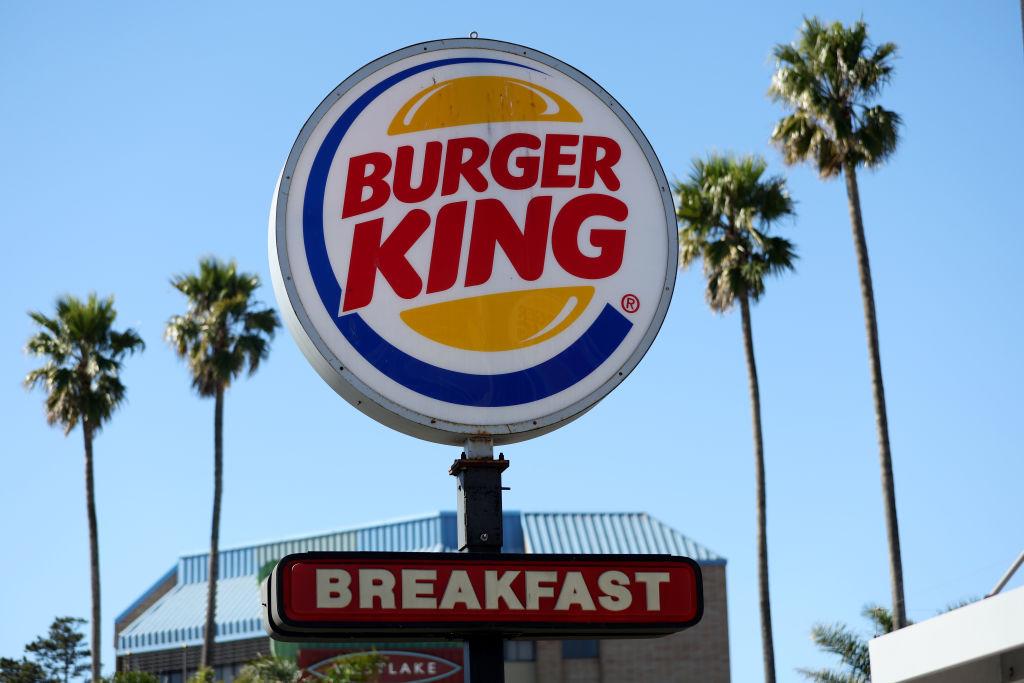
Burger King revealed plans to transition its North American field team fleet to 100 percent EVs by 2030.
The hamburger giant announced that it has transitioned 31 percent of its field team fleet in North America to electric vehicles across 16 states. By 2030, it aims to have an entire zero-emission EV North American flee
The field team lives in various states traveling to franchise locations to work closely with management and the BK team to enhance the customer experience, traveling over 1,500 miles on average monthly.
Burger King is working with Element Fleet Management, a leading automotive fleet manager, to expand its EV fleet.
It has already committed to reducing Scope 1 and 2 greenhouse gas emissions by 50% by 2030 on its way to achieving net-zero emissions by 2050.
Burger King is also working to increase its use of renewable packaging and recycling to reduce waste.













