


 NASA's Artemis II Crew Arrives in Florida for Historic Moon Mission
  OpenAI Executive Shake-Up Ahead of Anticipated 2026 IPO
  Elon Musk Ties SpaceX IPO Access to Mandatory Grok AI Subscriptions
  Apple's Foldable iPhone Faces Engineering Setbacks, Mass Production Timeline at Risk
  Apple Turns 50: From Garage Startup to AI Crossroads
  U.S. Disrupts Russian Military Hackers' Global DNS Hijacking Network
  Samsung Electronics Eyes Record Q1 Profit Amid AI-Driven Chip Boom
  Alibaba Shares Slide as Jefferies Slashes Price Target Over AI Spending and Business Losses
  Microsoft's $10 Billion Japan Investment: AI Infrastructure and Data Sovereignty Push
  Bendigo and Adelaide Bank Posts Strong Q3 Earnings, Announces AI-Driven Job Cuts
  Anthropic Fights Pentagon Blacklisting in Dual Federal Court Battles
  Annie Altman Amends Sexual Abuse Lawsuit Against OpenAI CEO Sam Altman
  China's Push to Steal Taiwan's Chip Technology and Talent Raises Security Alarms
  NASA Artemis II: First Crewed Moon Mission Since Apollo Takes Four Astronauts on 10-Day Lunar Journey
  Rubio Directs U.S. Diplomats to Use X and Military Psyops to Counter Foreign Propaganda


With Augmented Reality and Virtual Reality technology progressing so quickly, people often wonder how long it would take until controlling devices or interfacing with gadgets will no longer require the use of one’s hands. As it turns out, quite close, thanks to a technology that can allow virtual interface via brain command.
Based on the study done by researchers at the University of Washington, controlling a virtual interface without the need for the body’s five senses to intervene is now possible, Futurism reports. The implications of this breakthrough are staggering, which happen to include being able to play games without using hands. Looks like another “Back To The Future II” technology is about to come to fruition.
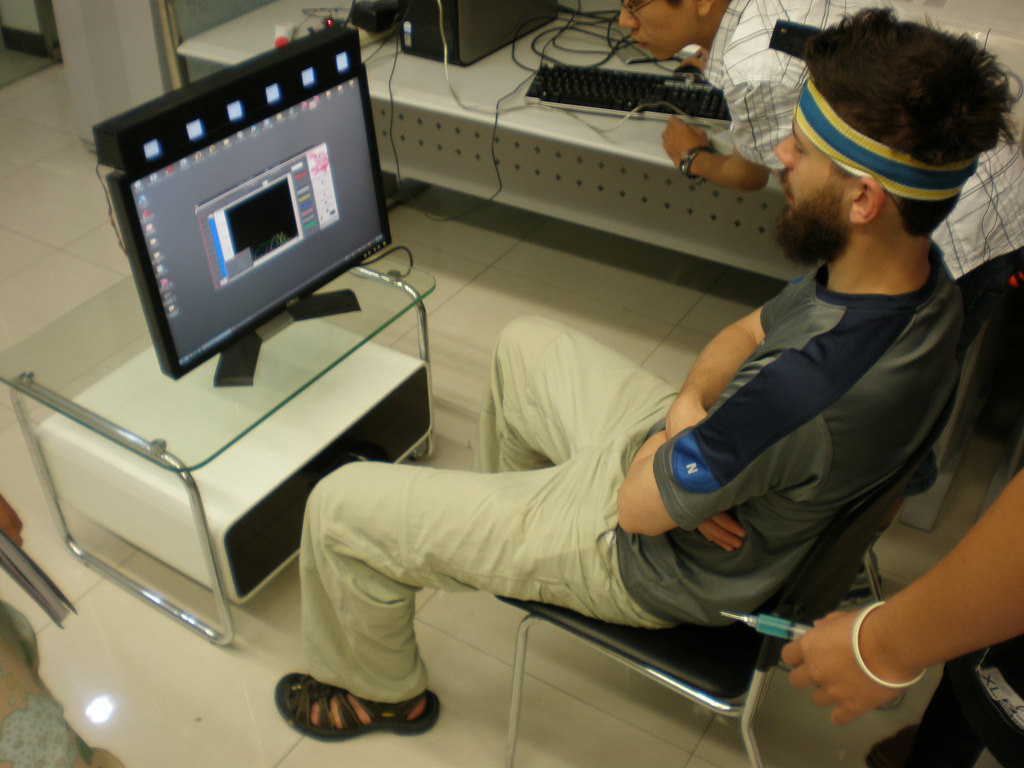
Much of the research revolved around watching a subject use an experimental interface, which allows them to play a game by just thinking about it. The game is simplistic, involving moving a figure of a person to navigate a maze-like environment. According to Professor Rajesh Rao at the UW Computer Science & Engineering, this is basically where the technology is headed anyway.
“The way virtual reality is done these days is through displays, headsets and goggles, but ultimately your brain is what creates your reality,” Prof. Rao said.
The process involves the use of what’s called a phosphene and the transcranial magnetic stimulation method. A phosphene is basically an artifact derived from visual stimulation, while transcranial magnetic stimulation is a popular method that involves the use of magnetic coils in order to stimulate specific parts of the brain.
Based on the results of the test, playing the game using only the brain had a 92 percent success rate. This means that, in theory, it’s more than possible to play the most popular video games these days without the need for peripherals.
However, this technology is still in its infancy. It’s going to be a long way off before gamers can shoot bandits with their minds.







