


 Annie Altman Amends Sexual Abuse Lawsuit Against OpenAI CEO Sam Altman
  RBC Capital: European Medtech Firms Show Minimal Middle East and Energy Risk Exposure
  Federal Judge Blocks Pentagon's Blacklisting of AI Company Anthropic
  McDonald's and Restaurant Brands International Face Headwinds Amid Iran Conflict and Rising Costs
  TSMC Japan's Second Fab to Produce 3nm Chips by 2028
  Cathay Pacific Holds Firm on Flight Capacity Amid Middle East Conflict and Rising Fuel Costs
  Jefferies Upgrades Sodexo to Buy With €55 Target After Historic CEO Appointment
  SpaceX Eyes Historic IPO at $1.75 Trillion Valuation
  Bank of America's $72.5M Epstein Settlement: What You Need to Know
  Brown-Forman and Pernod Ricard in Merger Talks to Create World's Largest Spirits Giant
  Apple Turns 50: From Garage Startup to AI Crossroads
  CTOC Adds 3,000 Doctors, 500 Hospitals Ahead of Liquidity Push
  Europe's Aviation Sector on Track to Meet 2025 Green Fuel Mandate
  Nomura Upgrades PDD Holdings to Buy, Calls Stock Too Cheap to Ignore
  Norma Group Posts Revenue Decline in 2025, Eyes Modest Recovery in 2026
  Brazil Meat Exports Weather Iran War Disruptions With Rerouted Shipments
  Microsoft Eyes $7B Texas Energy Deal to Power AI Data Centers


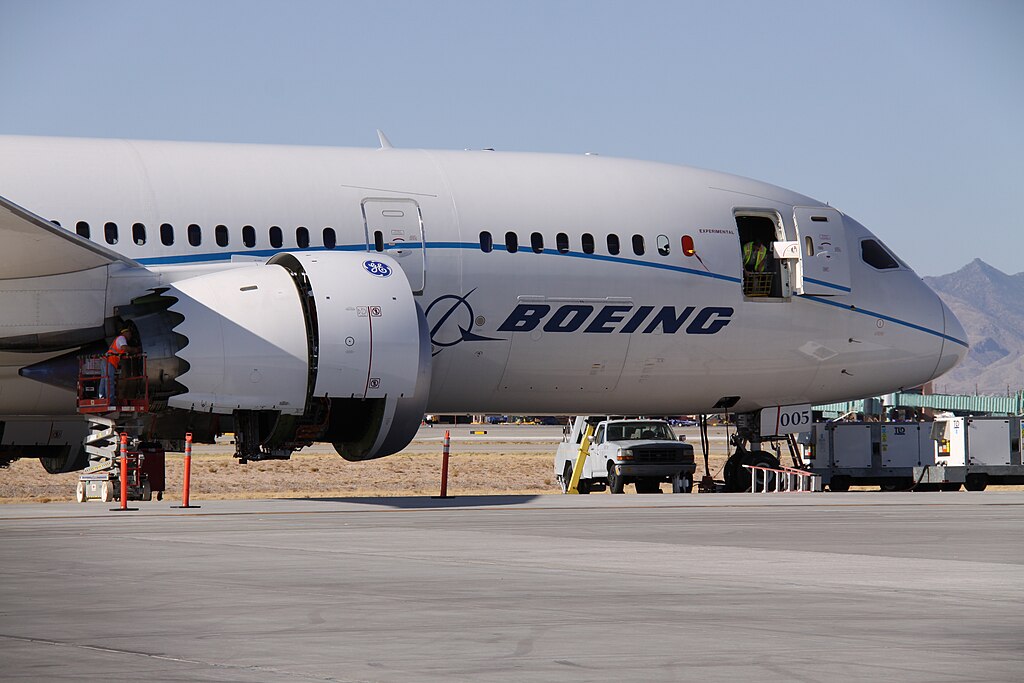
Boeing Defense Systems has secured a major $2.04 billion task order from the U.S. Department of Defense to advance the B-52 Commercial Engine Replacement Program (CERP), reinforcing the long-term modernization of the U.S. Air Force’s iconic strategic bomber. The contract was announced Tuesday and represents a significant milestone in upgrading the B-52 fleet to ensure continued operational effectiveness for decades to come.
The task order focuses on post–Critical Design Review development activities for the B-52 engine replacement effort. Under the agreement, Boeing will be responsible for extensive system integration work and the modification of two B-52 aircraft to accommodate new engines and associated subsystems. These upgrades are designed to improve fuel efficiency, reliability, and maintainability while reducing long-term operating costs for the Air Force.
Work on the B-52 CERP contract will be carried out across several key U.S. locations, including Oklahoma City, Oklahoma; San Antonio, Texas; Seattle, Washington; and Indianapolis, Indiana. This multi-site execution highlights Boeing’s broad industrial footprint and collaboration with government and industry partners nationwide. The project is scheduled for completion by May 31, 2033, underscoring the long-term nature of the B-52 modernization program.
Initial funding for the contract includes $35.77 million in Fiscal Year 2026 research, development, test, and evaluation funds. These funds will support early-phase engineering, integration, and testing activities critical to advancing the program toward full implementation. Tinker Air Force Base in Oklahoma is serving as the contracting activity, reflecting its central role in sustaining and modernizing the B-52 fleet.
The contract is officially designated under contract number FA8628-19-D-1000/FA8107-26-F-B001. With this award, Boeing continues to strengthen its position as a key defense contractor supporting U.S. Air Force modernization priorities. The B-52 Commercial Engine Replacement Program is expected to extend the bomber’s service life well into the future, ensuring it remains a cornerstone of U.S. strategic airpower in an evolving global security environment.







