


 Chinese Universities with PLA Ties Found Purchasing Restricted U.S. AI Chips Through Super Micro Servers
  Bank of America's $72.5M Epstein Settlement: What You Need to Know
  Jefferies Upgrades Sodexo to Buy With €55 Target After Historic CEO Appointment
  SMIC Allegedly Supplies Chipmaking Tools to Iran's Military, U.S. Officials Warn
  Nomura Upgrades PDD Holdings to Buy, Calls Stock Too Cheap to Ignore
  Brown-Forman and Pernod Ricard in Merger Talks to Create World's Largest Spirits Giant
  Cybersecurity Stocks Tumble After Anthropic's Claude Mythos AI Leak Sparks Market Fears
  Brazil Meat Exports Weather Iran War Disruptions With Rerouted Shipments
  Cathay Pacific Holds Firm on Flight Capacity Amid Middle East Conflict and Rising Fuel Costs
  Luxury Car Sales in the Middle East Take a Hit Amid Iran War
  Microsoft Eyes $7B Texas Energy Deal to Power AI Data Centers
  SoftwareONE Posts 22.5% Revenue Surge in 2025 on Crayon Acquisition
  Eli Lilly and Insilico Medicine Forge $2.75 Billion AI-Driven Drug Discovery Deal
  Apple Turns 50: From Garage Startup to AI Crossroads
  TSMC Japan's Second Fab to Produce 3nm Chips by 2028
  Federal Judge Blocks Pentagon's Blacklisting of AI Company Anthropic
  RBC Capital: European Medtech Firms Show Minimal Middle East and Energy Risk Exposure


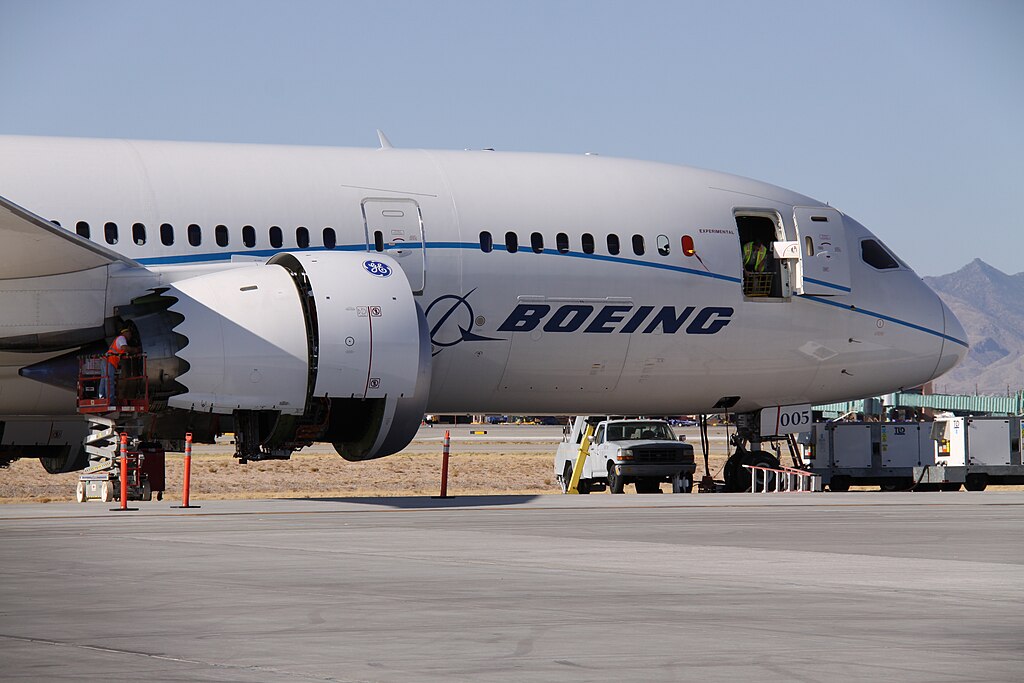
Boeing has reported significant quality improvements across its commercial airplane supply chain over the past two years, marking a critical step in strengthening aircraft production and safety standards. Speaking at the Pacific Northwest Aerospace Alliance (PNAA) supplier conference near Seattle, Ihssane Mounir, Boeing’s senior vice president for global supply chain and fabrication, revealed that the company now spends 40% fewer hours addressing supply chain-related issues compared to 2024.
The aerospace manufacturer has made measurable progress in reducing defects, particularly at Spirit AeroSystems, a key supplier responsible for producing 737 fuselages and structural components for multiple Boeing aircraft programs. According to Mounir, defects from Spirit have declined by 60% since Boeing implemented enhanced quality control inspections in 2024. These improvements come after a challenging period for Boeing, including the widely publicized 737 MAX door plug incident involving an Alaska Airlines flight in early 2024, which prompted the Federal Aviation Administration (FAA) to impose production caps on the planemaker.
Boeing’s decision to reacquire Wichita, Kansas-based Spirit AeroSystems in December has played a central role in regaining oversight of its aerospace supply chain. Spirit was originally spun off in 2005 when Boeing sold portions of its aerostructures manufacturing operations to investors. By bringing Spirit back under its corporate structure, Boeing has increased operational control, streamlined quality assurance processes, and strengthened collaboration across manufacturing teams.
Mounir described the reintegration of Spirit as a defining moment in his career, emphasizing the strategic importance of aligning suppliers closely with Boeing’s production goals. Quality issues at Spirit and other suppliers had previously slowed Boeing’s efforts to ramp up jetliner production following the COVID-19 pandemic. With defect rates declining and oversight improving, Boeing aims to stabilize output, rebuild regulatory confidence, and reinforce its position in the competitive global commercial aviation market.







