


 RBI Holds Repo Rate at 5.25% as India’s Growth Outlook Strengthens After U.S. Trade Deal
  Russian Stocks End Mixed as MOEX Index Closes Flat Amid Commodity Strength
  South Africa Eyes ECB Repo Lines as Inflation Eases and Rate Cuts Loom
  India–U.S. Interim Trade Pact Cuts Auto Tariffs but Leaves Tesla Out
  Gold and Silver Prices Slide as Dollar Strength and Easing Tensions Weigh on Metals
  Nikkei 225 Hits Record High Above 56,000 After Japan Election Boosts Market Confidence
  Singapore Budget 2026 Set for Fiscal Prudence as Growth Remains Resilient
  Trump’s Inflation Claims Clash With Voters’ Cost-of-Living Reality
  Trump Lifts 25% Tariff on Indian Goods in Strategic U.S.–India Trade and Energy Deal
  Trump Endorses Japan’s Sanae Takaichi Ahead of Crucial Election Amid Market and China Tensions
  Dollar Near Two-Week High as Stock Rout, AI Concerns and Global Events Drive Market Volatility
  U.S.-India Trade Framework Signals Major Shift in Tariffs, Energy, and Supply Chains
  China Extends Gold Buying Streak as Reserves Surge Despite Volatile Prices
  Bank of Japan Signals Readiness for Near-Term Rate Hike as Inflation Nears Target
  Global Markets Slide as AI, Crypto, and Precious Metals Face Heightened Volatility
  Vietnam’s Trade Surplus With US Jumps as Exports Surge and China Imports Hit Record


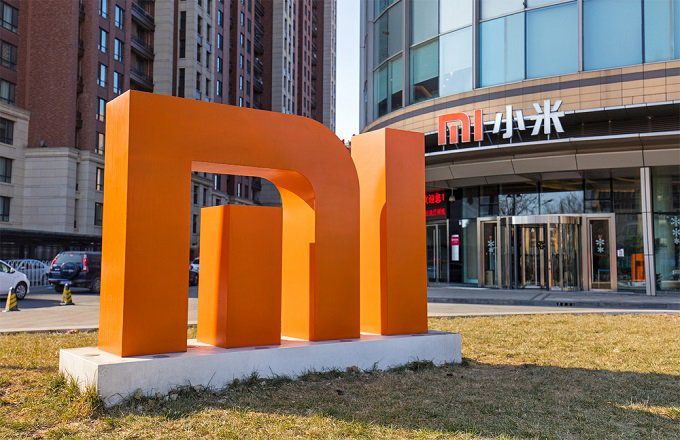
Chinese firms targeted by former President Donald Trump's investment ban are thinking of suing the US government, encouraged by a federal judge's suspension of blacklisting for Beijing-based smartphone maker Xiaomi.
A preliminary order by US District Judge Rudolph Contreras stopped Xiaomi’s inclusion on a US list of companies subject to the investment ban.
Other than Xiaomi, 43 others on the blacklist of companies owned or controlled by the Chinese military, which a 1999 law requires the Defense Department to publish.
Other firms on the blacklist are Hikvision, China National Offshore Oil Corp, and Semiconductor Manufacturing International Corp.
According to Contreras, the US government’s process for including Xiaomi Corp in the investment ban was deeply flawed for being was merely on two key criteria: its development of 5G technology and artificial intelligence.
The Defense Department insists that the two criteria are “essential to modern military operations,” adding that Xiaomi founder and CEO Lei Jun was awarded by an organization helping the Chinese government eliminate barriers between commercial and military sectors.
Contreras noted that 5G and AI technologies were becoming standard and more than 500 entrepreneurs had received the same award as Lei since 2004, including infant formula company leaders.
However, the move to blacklist Xiaomi Corp knocked $10 billion off its market share and sent its shares down 9.5 percent in January and would have forced investors to divest their stakes in the company.
The other Chinese companies are reportedly in talks with law firms, including Steptoe & Johnson and Hogan Lovells.
Luokung Technology Corp, a mapping technology company, had sued the US government for ints blacklisting earlier this month.
According to Wendy Wysong, managing partner of the Hong Kong office of Steptoe & Johnson, a Washington-headquartered worldwide law firm, companies are contacting lawyers to challenge the listings and the grounds for the listings.
The US government said it had not decided what path to pursue in the Xiaomi case after Contreras' decision.













