


 Trump Says U.S.-Iran Peace Deal Near After UN Talks
  Zelenskiy Warns Russia Preparing Major Attack on Ukraine
  Russian Envoy Dmitriev Heads to US for Ukraine Talks
  Trump to Press Xi on Release of US Nuclear Expert Held in China
  Macron, Trump Discuss Ukraine-Russia Energy Strike Moratorium
  Canada Unveils Bill to Fast-Track Major Resource Projects
  Gaza Faces Evacuation Crisis as War-Damaged Buildings Risk Collapse
  US Officials Split Over Response to Israeli West Bank Settlements
  China Tightens Fentanyl Rules Ahead of Trump-Xi Summit
  US, China Extend Trade Truce to Jan. 10 Ahead of Trump-Xi Summit
  Macron Challenges Trump’s Gaza Peace Claims at UN
  Taiwan Vows to Advance US Arms Sales Ahead of Trump-Xi Meeting
  US Invites Putin to Miami G20, Opening Door to Trump Summit
  Europe Warns Russia Is Escalating Hybrid Attacks Across NATO
  Marco Rubio to Meet Russia’s Lavrov in New York
  Kremlin Says No Grounds Yet for Ukraine Peace Talks
  Venezuela Promises Elections as Delcy Rodriguez Pledges Democratic Transition


 Add as a preferred source on Google
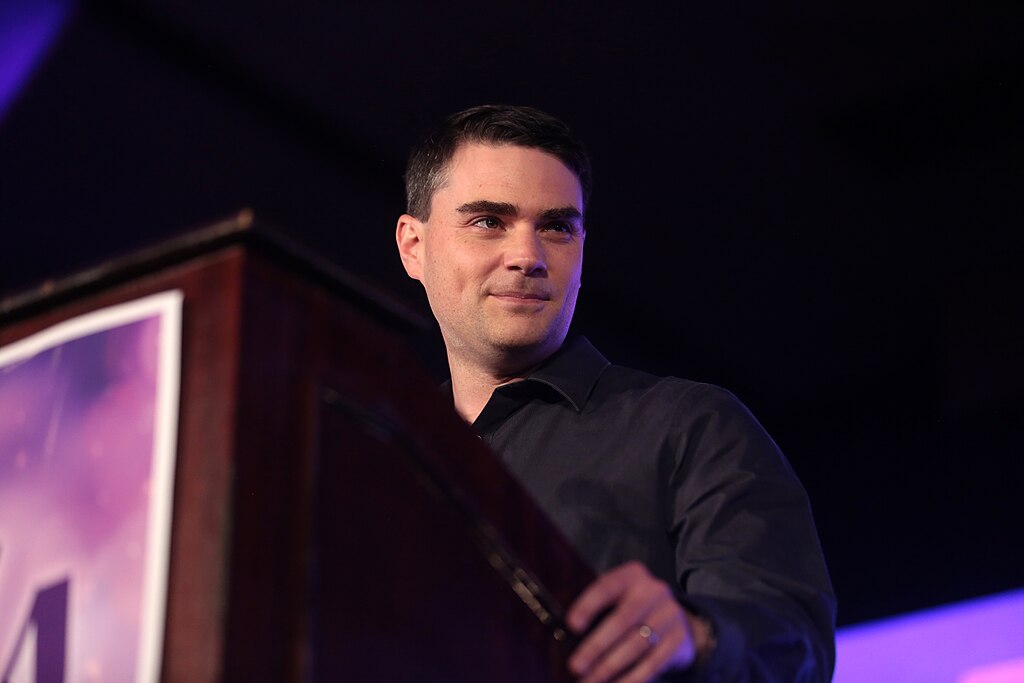
Political commentator Ben Shapiro has presented a scenario that places the U.S. Supreme Court at the center of a potential election showdown, suggesting that unresolved disputes over ballot counts or election irregularities could escalate to the highest court. Shapiro, known for his conservative viewpoints and analytical approach, outlined the hypothetical situation in a recent episode of The Ben Shapiro Show, where he discussed the potential for legal challenges to influence the final election outcome. The commentary has stirred debate, with some viewing it as a plausible scenario and others cautioning against speculation.
According to Shapiro, if the election results are contested in critical swing states, the dispute could ultimately end up in the Supreme Court, where justices would be tasked with interpreting the legality of contested ballots or electoral procedures. “This isn’t unprecedented,” Shapiro explained, referencing the 2000 Bush v. Gore case, where the Supreme Court famously halted a Florida recount, effectively deciding the election in George W. Bush’s favor. “If we’re faced with a close race and legal challenges emerge over voting irregularities or ballot deadlines, it could lead us straight to the Supreme Court,” he added.
Shapiro’s scenario hinges on the assumption that close margins in pivotal states could lead to disputes over mail-in ballots, voter ID laws, or state-specific voting rules. These types of disputes, he argued, could create a situation where lower court rulings on such issues differ, prompting appeals that may escalate to the Supreme Court for a final decision. “We could very well see a scenario where conflicting rulings require the Supreme Court to step in,” Shapiro said. “And that decision could determine the next president of the United States.”
While some legal experts agree that a Supreme Court intervention is possible, others argue that such an outcome would be highly unlikely unless there are substantive legal questions involved. “The Court typically only takes on cases with national significance and real constitutional issues,” said Dr. Emily Parker, a professor of constitutional law. “It’s possible, but not something the Court would do lightly, given the impact on public trust.” Still, the hypothetical has left many wondering if the election could become a high-stakes legal battle if neither candidate concedes.
Shapiro’s comments have drawn criticism from those who argue that such scenarios fuel public anxiety and could further polarize an already divided electorate. “This is exactly the kind of speculation that could undermine confidence in our democratic process,” said political analyst Sarah Green. “If we frame the election as something only the Supreme Court can decide, we’re setting the stage for public distrust in the results.”
However, Shapiro defended his stance, arguing that discussing potential outcomes is essential to prepare voters for all possibilities. “We need to be ready for anything,” he said. “If we ignore the possibility, we’re not doing our jobs as informed citizens.”
As Election Day draws near, Shapiro’s scenario adds another layer to the national conversation about election integrity and the rule of law. Whether or not the Supreme Court will ultimately play a role in the 2024 election remains uncertain, but the commentary has sparked widespread debate over the judicial branch’s role in resolving electoral disputes.







