


 Reflection AI Eyes $25 Billion Valuation in Massive $2.5 Billion Funding Round
  Microsoft Eyes $7B Texas Energy Deal to Power AI Data Centers
  California's AI Executive Order Pushes Responsible Tech Use in State Contracts
  NASA Artemis II: First Crewed Moon Mission Since Apollo Takes Four Astronauts on 10-Day Lunar Journey
  Meta and Google just lost a landmark social media addiction case. A tech law expert explains the fallout
  Chinese Universities with PLA Ties Found Purchasing Restricted U.S. AI Chips Through Super Micro Servers
  Australia's Social Media Ban for Under-16s Sparks Global Movement
  NASA's Artemis II Crew Arrives in Florida for Historic Moon Mission
  Britain Courts Anthropic Amid US Defense Department Dispute
  SK Hynix Eyes Up to $14 Billion U.S. IPO to Fund AI Chip Expansion
  Federal Judge Blocks Pentagon's Blacklisting of AI Company Anthropic
  Elon Musk Ties SpaceX IPO Access to Mandatory Grok AI Subscriptions
  Microsoft's $10 Billion Japan Investment: AI Infrastructure and Data Sovereignty Push
  Samsung Electronics Posts Eightfold Profit Surge Driven by AI Chip Demand
  China's Push to Steal Taiwan's Chip Technology and Talent Raises Security Alarms


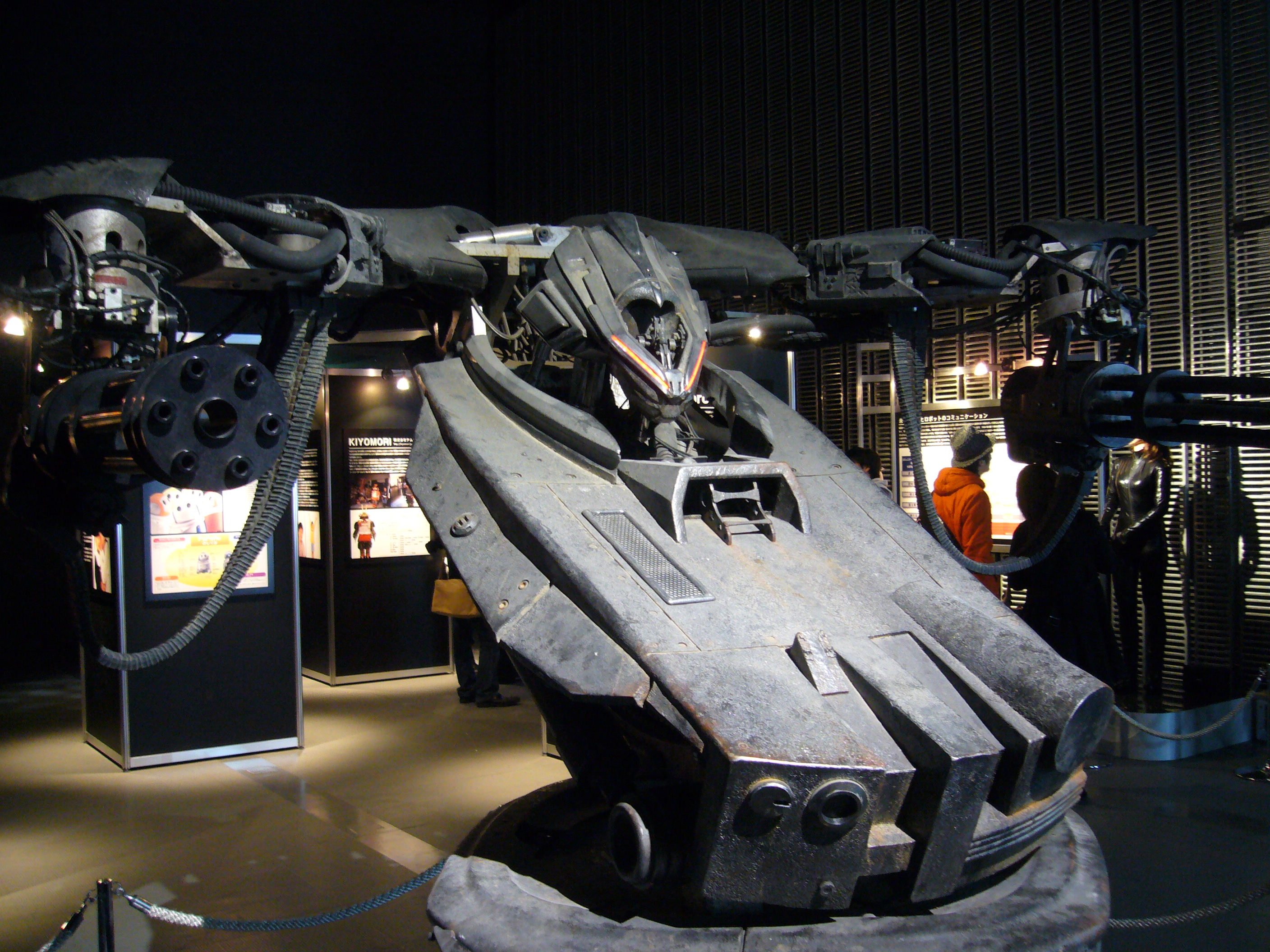
As technology advanced to the point where machines are able to move, speak, and even think closer to humans, the fear of killer robots has increased as well. With prominent figures like Stephen Hawking warning how artificial intelligence could potentially wipe out the human race, it’s natural that regular people would also be afraid. One of the ways that experts have brought up to contain the threat is to pass international resolutions to never create war machines that are capable of independent thought. A new study suggests that this is not going to be enough.
The research was done by a team from the University of Buffalo, Phys.org reports, which details how banning and demonizing so-called killer robots would only be a temporary solution. The paper also indicates that based on the rate of progress that technology and society as a whole are going, autonomous killing machines is simply inevitable.
For decades, the concept of robots taking over the world to enslave or eradicate humans has only existed in books, movies, TV shows, and other forms of entertainment media. Together, they served to fuel what was originally simple paranoia that stemmed from the early days of the industrial revolution.
Nowadays, it’s all too common to find algorithms that are programmed to learn as they interact with humans. Among the most prominent examples is Apple’s smart assistant Siri. With every iPhone generation, Siri has become smarter and more capable of complex thought.
Now, computer programs are even able to anticipate human decisions. According to the researchers, instead of looking at autonomous machines as the enemy, it would be better to understand them.
“Instead of demonizing Killer Robots as such, we need to understand the tools, processes, and operating procedures that create, support and validate these objects,” the researchers explained.
Tero Karppi, the co-author of the study also stressed how important it is to deconstruct the term “killer robot” to fix the problem, Futurism reports. He suggests the use of cultural techniques, a practice that stems from agricultural science and involves an in-depth look into certain topics that include actions, ideas, technologies, and origins.







