


 Denmark Central Bank Intervenes to Support Krone Peg Against Euro
  New Zealand Unemployment and Inflation Debate Intensifies Ahead of 2026 Election
  Malaysia Central Bank Moves to Support Ringgit Amid Foreign Fund Outflows
  Taiwan Central Bank Likely to Keep Interest Rates Unchanged Through 2027
  FxWirePro: Daily Commodity Tracker - 21st March, 2022
  Supreme Court Backs Lisa Cook, Defends Federal Reserve Independence Against Trump Firing Attempt
  RBA Expected to Hold Interest Rates at 4.35% as Markets Watch AUD/USD and ASX 200
  Japan Signals Surprise Yen Intervention Strategy as BOJ Hawkish Stance Puts FX Traders on Alert
  Japan Signals Preference for Low Interest Rates as BOJ Policy Debate Intensifies
  South Korea Signals Possible Interest Rate Hike as Inflation Remains Elevated


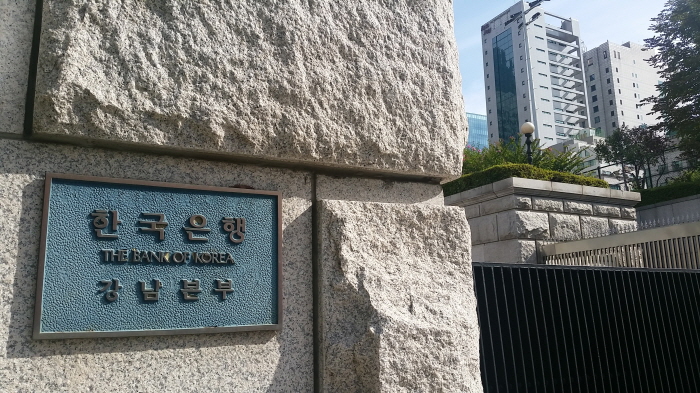
The Bank of Korea is widely expected to stand pat at today's policy meeting. Domestic demand has started to recover and GDP growth has bounced back, reducing the pressure for the BOK to cut rates. Markets no longer look for additional easing, as evidenced by the rise in front end KRW swap rates.
As the Fed's tightening is around the corner, a special focus today is on the BOK's comments about the resultant impact on Korea. The BOK will downplay the risk of capital outflows triggered by higher USD rates, signaling the intention to go its own way on monetary policy. Emphasis would be given to Korea's strong current account surplus, falling exposure to external debt and improvement in sovereign ratings.
From the domestic economic perspective, there is little reason for the BOK to hike rates soon. The boosting impact of policy stimulus on domestic demand will wane gradually next year, which presents the risk of a renewed slowdown in GDP growth. Meanwhile, external headwinds remain in place, given that trade data have remained sluggish across the region and global oil prices continued to languish.
Overall, there are both the economic rationale and policy scope for the BOK to maintain an accommodative monetary stance.
"Our base case forecast is for the benchmark repo rate to be kept unchanged at 1.50% through 2016, in contrast with a 100bps rise expected for the Fed fund rate", says DBS Group Research.

- News

- Economy

- Central Banks
- Investing
- Research
- Roundups
- Digital Currency
- Insights
- Technical Analysis
- Technology
- Business
- Law
- Health
- Nature
- Fintech
- Science
- Topic
- Opinions
- ©Econometrics LLC . All Rights Reserved.
Bank of Korea policy decoupling
Thursday, December 10, 2015 2:02 AM UTC
Editor's Picks



- Market Data
Most Popular




