


 BOJ Signals More Rate Hikes as Inflation Risks Rise Amid Energy Price Pressures
  Gold Prices Fall Below $4,000 as Strong Dollar, Fed Rate Hike Bets Weigh on Bullion
  U.S. Dollar Reaches One-Year High as Tech Sell-Off and Fed Rate Hike Expectations Support Demand
  Japan Signals Preference for Low Interest Rates as BOJ Policy Debate Intensifies
  China Keeps Loan Prime Rates Unchanged for 13th Straight Month as Policymakers Prioritize Credit Demand Recovery
  US Dollar Slips After PCE Inflation Data Eases Fed Rate Hike Expectations
  RBI Hits Pause as Geopolitical Storm Clouds Gather
  BOJ June Rate Hike Likely as Inflation Risks Rise Amid Middle East Tensions
  Gold Drops Below $4,000 as Strong US Dollar and Fed Rate Hike Expectations Pressure Bullion
  Indonesia Central Bank to Draft New Regulations After Expanded Economic Growth Mandate
  South Korea Signals Possible Interest Rate Hike as Inflation Remains Elevated
  South Korea’s KOSPI Plunges as Apple Price Hikes and OpenAI IPO Delay Shake AI Chip Stocks
  Trump Requests $11 Billion More in Farm Aid as Rising Costs Pressure U.S. Farmers


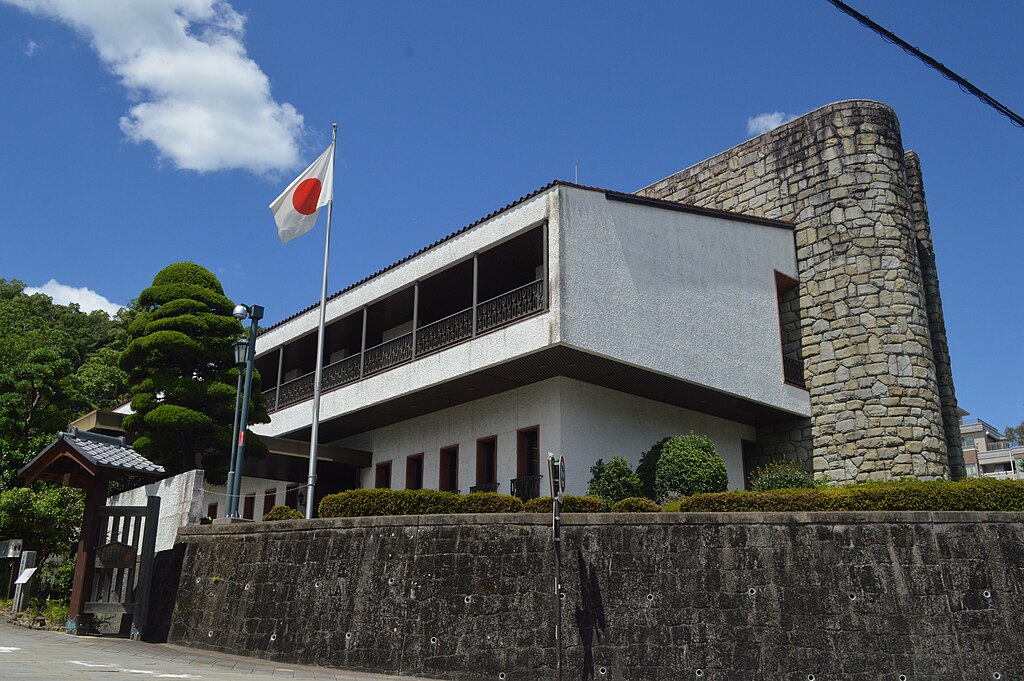
The Bank of Japan (BOJ) is widely expected to keep its short-term benchmark interest rate at 0.75% following its March 19 policy meeting, marking a pause after its 25 basis point hike last December. While no immediate rate change is anticipated, markets are watching closely for any hawkish signals from policymakers amid persistent inflation pressures and a weakening yen.
Japan's core inflation has recently dipped below the BOJ's 2% annual target, largely due to subdued consumer spending. However, the central bank projects a rebound later in 2026, driven in part by rising global energy prices linked to the ongoing U.S.-Israel conflict with Iran. The yen has come under significant pressure as a result, given Japan's heavy reliance on oil imports — a dynamic that could push the BOJ toward a more aggressive monetary stance to stabilize the currency and contain imported inflation.
On the economic front, Japan delivered a stronger-than-expected fourth quarter in 2025, giving the BOJ greater flexibility to consider future rate increases. That said, uncertainty surrounding spring wage negotiations is keeping the central bank cautious in the near term. Governor Kazuo Ueda recently acknowledged that underlying inflation is trending back toward target on the back of solid wage growth, though he stopped short of reaffirming the BOJ's commitment to continued tightening — possibly reflecting political pressure from Prime Minister Sanae Takaichi's administration to maintain accommodative conditions.
ANZ analysts anticipate a 25 basis point hike in April, with the BOJ expected to signal its readiness to act at this week's meeting. Since exiting ultra-loose monetary policy in early 2024, the BOJ has raised rates by a cumulative 85 basis points. For equities, the Nikkei 225 — up nearly 6% year-to-date — could face headwinds if the central bank adopts an overtly hawkish tone, though any pullback may be cushioned by strength in bank stocks, which tend to benefit from a rising rate environment.







