


 Jerome Powell Attends Supreme Court Hearing on Trump Effort to Fire Fed Governor, Calling It Historic
  Singapore Budget 2026 Set for Fiscal Prudence as Growth Remains Resilient
  MAS Holds Monetary Policy Steady as Strong Growth Raises Inflation Risks
  Bank of England Expected to Hold Interest Rates at 3.75% as Inflation Remains Elevated
  South Africa Eyes ECB Repo Lines as Inflation Eases and Rate Cuts Loom
  Russian Stocks End Mixed as MOEX Index Closes Flat Amid Commodity Strength
  Bank of Japan Signals Readiness for Near-Term Rate Hike as Inflation Nears Target
  Trump Endorses Japan’s Sanae Takaichi Ahead of Crucial Election Amid Market and China Tensions
  Gold and Silver Prices Rebound After Volatile Week Triggered by Fed Nomination
  BOJ Rate Decision in Focus as Yen Weakness and Inflation Shape Market Outlook
  China Extends Gold Buying Streak as Reserves Surge Despite Volatile Prices
  Asian Stocks Slip as Tech Rout Deepens, Japan Steadies Ahead of Election
  RBI Holds Repo Rate at 5.25% as India’s Growth Outlook Strengthens After U.S. Trade Deal
  Vietnam’s Trade Surplus With US Jumps as Exports Surge and China Imports Hit Record
  South Korea’s Weak Won Struggles as Retail Investors Pour Money Into U.S. Stocks


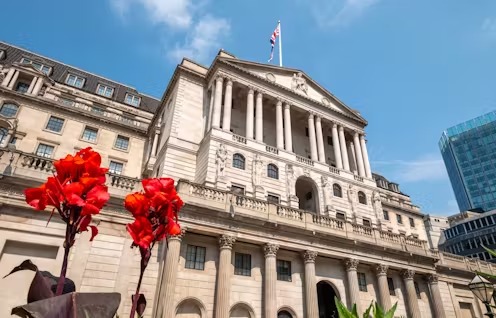
The Bank of England (BoE) is expected this week to slow the pace of quantitative tightening (QT) as volatility in UK bond markets intensifies. Since 2022, the BoE has cut its gilt holdings from £875 billion to £558 billion, offloading about £100 billion annually. A Reuters poll suggests the Monetary Policy Committee will reduce that pace to around £67.5 billion, a sharper slowdown than the Bank’s August forecast of £72 billion.
Markets remain highly sensitive to QT decisions, as many investors blame gilt sales for pushing up borrowing costs. Thirty-year UK government bond yields recently hit their highest level since 1998, while 10-year yields reached levels unseen since 2008. Although the BoE estimates QT has only added 0.15–0.25 percentage points to borrowing costs, fund managers caution that failing to adjust could spark fresh sell-offs.
Some analysts expect the BoE to trim sales to £80 billion and halt disposals of longer-dated bonds, which have seen the steepest price drops. To rely solely on maturing gilts, sales would need to fall to £49 billion annually. However, slowing too sharply risks political scrutiny ahead of Chancellor Rachel Reeves’ November budget, making QT an important signal of central bank independence.
Meanwhile, inflation pressures persist. UK inflation stood at 3.8% in July, the highest in the G7, and is forecast to hit 4% this month. While the BoE cut rates five times in just over a year, economists see no further cuts at this week’s meeting. Investors now price in only a modest chance of another reduction this year, with markets not fully expecting a quarter-point cut until 2026.
Still, weak growth, higher taxes, and a softening jobs market may force rates lower sooner than expected.













