


 Central and Southeast Europe Economic Outlook: Hungary, Croatia and Serbia Data in Focus
  Japan Nominates Reflationist Economists to BOJ Board, Signaling Policy Shift
  U.S. Conducted January Rate Checks to Support Yen, Nikkei Reports
  Senate Democrats Push Bill to Refund Trump Tariffs After Supreme Court Ruling
  RBI Holds Repo Rate at 5.25% as India’s Growth Outlook Strengthens After U.S. Trade Deal
  Japan Coalition Urges BOJ Independence as Sales Tax Cut Plan Advances
  Christine Lagarde Reportedly Set to Exit ECB Before End of Term
  China Holds Loan Prime Rates Steady as PBOC Maintains Cautious Monetary Policy
  South Africa Eyes ECB Repo Lines as Inflation Eases and Rate Cuts Loom
  Asian Markets Slip as Wall Street Selloff Deepens on Trump Tariff Uncertainty and AI Fears
  RBA Signals Further Interest Rate Hikes if Inflation Persists, Says Governor Michele Bullock


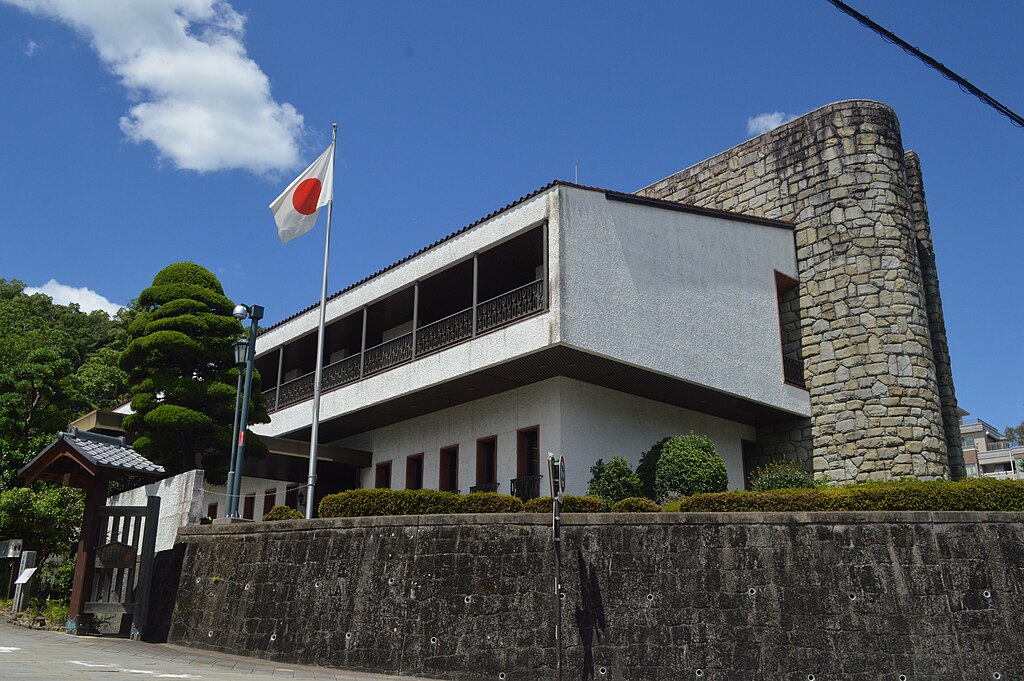
Bank of Japan Governor Kazuo Ueda signaled that the central bank could raise interest rates in the near term, saying policymakers will closely examine incoming economic data at their March and April meetings. In an interview with the Yomiuri newspaper, Ueda emphasized that the BOJ remains prepared to tighten monetary policy further if Japan continues to make progress toward its inflation target.
The BOJ’s current projections, released in January, forecast that underlying inflation will reach the 2% target between the second half of fiscal 2026 and fiscal 2027. However, Ueda noted that stronger-than-expected results from this year’s spring wage negotiations could accelerate that timeline. Solid wage growth is seen as critical to sustaining stable inflation and supporting the case for additional rate hikes.
Markets have been speculating about a possible April rate hike, and Ueda said the central bank does not necessarily need to wait for the quarterly Tankan business sentiment survey due on April 1 to make its decision. Instead, the BOJ relies on a range of economic indicators, including lending data, corporate investment trends, and consumer spending patterns, to assess the impact of its previous rate increase in December.
The BOJ raised its short-term policy rate to 0.75% in December, marking a 30-year high and extending its shift away from the decade-long ultra-loose monetary policy that ended in 2024. A majority of economists surveyed by Reuters expect interest rates to climb to 1% by the end of June.
Despite political pressure from Prime Minister Sanae Takaichi, who favors expansionary fiscal and monetary policy, Ueda stressed that the BOJ is not behind the curve on inflation. While consumer prices have exceeded the 2% target for nearly four years, he said underlying inflation has yet to fully and sustainably reach that level, leaving room for careful, data-driven monetary tightening.













