


 Asian Currencies Mixed as Dollar Holds Near Two-Month High
  US Stock Futures Fall as Treasury Yields Surge Ahead of Trump-Xi Summit
  U.S. Treasury Yields Surge as 30-Year Hits 22-Year High
  U.S. Dollar Hits Two-Month High as Oil, Treasury Yields Surge
  Gold Holds Near $4,275 as Rising Treasury Yields Fuel Fed Rate Hike Bets
  Japanese Yen Rebounds as Trump Flags Currency Weakness
  Asian Stocks Fall as Bond Yields Surge Ahead of Trump-Xi Summit
  Fed Unveils Stablecoin Rules Under GENIUS Act
  European Stocks Fall as Bond Yields and Geopolitical Risks Weigh
  China Agrees to Buy 20 Million Tons of U.S. Coal
  Fed’s Hammack Says Bond Yield Surge Is Not Driven by Inflation Fears
  Canadian Dollar Faces Pressure as Fed-BoC Policy Gap Widens
  Fed Unveils Stablecoin Rules Under GENIUS Act
  Gold Prices Fall as Treasury Yields Rise on Fed Rate Hike Bets
  Soybean Futures Slip as Traders Await Trump-Xi Trade Signals
  Australia Unemployment Hits Five-Year High Despite Strong Jobs Growth
  Dollar Holds Near Two-Month High as Yen Approaches 160


 Add as a preferred source on Google
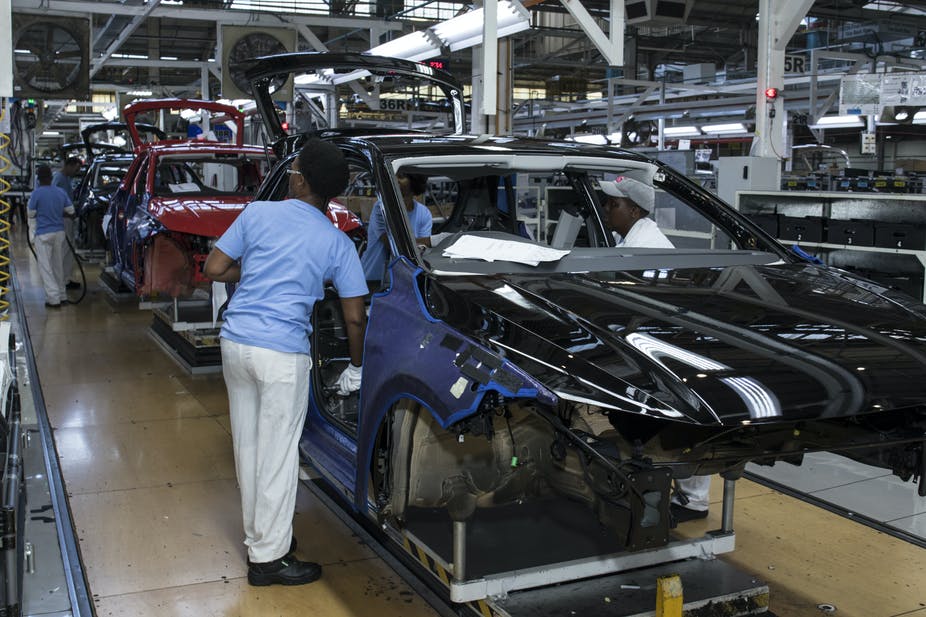
Global automakers are in crisis mode as China tightens export controls on rare-earth magnets, a critical component in modern vehicles. Frank Eckard, CEO of German magnet maker Magnosphere, reports a flood of desperate calls from auto and parts manufacturers fearing factory shutdowns by mid-July. With China controlling over 90% of rare-earth magnet production, companies are struggling to find alternatives.
The auto industry is facing what could become its third major supply chain shock in five years—after the 2020 COVID-19 lockdowns and the 2021–2023 semiconductor shortage. Despite previous lessons, industry leaders like Eckard believe little has changed, as firms remain dangerously reliant on Chinese supply chains.
Rare-earth magnets are essential for electric motors, sensors, pumps, and speakers found in both electric and combustion-engine vehicles. The average EV uses around 0.5 kg of rare earth elements, double that of a gasoline car. CLEPA, Europe’s automotive supplier association, warns that plant shutdowns are already underway.
Efforts to reduce dependence on China are in motion. Automakers like GM, BMW, and suppliers such as ZF and Aptiv are investing in rare-earth-free technologies, but most alternatives are years from large-scale production. The EU’s Critical Raw Materials Act and initiatives from companies like Heraeus, Niron, and Warwick Acoustics are promising, but scaling remains a challenge.
In the short term, automakers are scrambling to secure export permits and build stockpiles. Analysts warn the crisis could lead to unfinished cars parked indefinitely, echoing the semiconductor shortage. With China also dominating global supply of other key materials like graphite and manganese, experts say this is a wake-up call for the industry’s overreliance on one supplier.







