


 Bessent Says U.S. Must Strengthen Supply Chains and Economic Security
  South Korea’s KOSPI Rebounds as Samsung and SK Hynix Lead Tech Stock Recovery
  South Korea Stocks Tumble as AI-Fueled Rally Faces Profit-Taking Pressure
  New Zealand Fast-Tracks Gold Mining as Industry Revival Gains Momentum
  Russian Stocks End Flat as MOEX Index Hits New 52-Week Low
  Wall Street Ends Mixed as Alphabet Slumps, Middle East Developments and Fed Outlook Weigh on Markets
  Asian Stocks Slip as Oil Rebounds Amid Fed Rate Hike Fears
  U.S.-Iran Diplomacy Helps Drive Gasoline Prices Down 15% From May Highs
  Dollar Holds Firm as U.S.-Iran Talks Ease Tensions, GBP/USD Slips Amid UK Political Uncertainty
  Gold Prices Fall Amid Rate Jitters; Copper Steady as China Stimulus Eyed
  Gold Prices Mixed as Stronger Dollar Offsets Safe-Haven Demand Amid U.S.-Iran Peace Talks
  Gold Price Rises as Investors Weigh U.S.-Iran Talks and Fed Policy Outlook


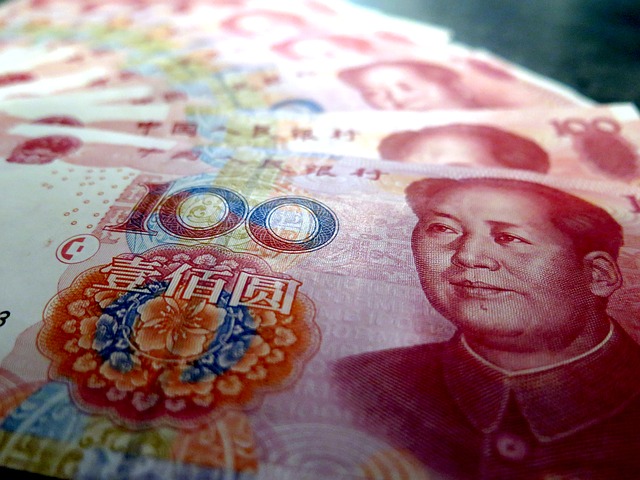
Continued negative sentiment towards China has put the authorities back onto the defensive in recent days. It emerged on Wednesday that a ban on the selling of equities by large investors had been extended indefinitely. What's more, the fact that the gap between the onshore and offshore renminbi/dollar exchange rates hit a record high pointed to renewed intervention in the currency market by the People's Bank.
In isolation, the selling ban does not preclude further falls in equity markets on the mainland. The number of investors that qualify for the ban appears to make up only a small share of the market, while the period of stability that followed its introduction in July last year did not last long. With valuations looking stretched, and a high degree of leverage in the system, many doomsday scenarios are doing the rounds again and another sell-off could rock global markets, just as it did on Monday.
"We see reasons not to get too carried away. For a start, the extension of the selling ban suggests that other measures to support equity prices, notably State-backed buying, will probably be redoubled too. More importantly, it is unlikely that there would be much material economic impact even if equities on the mainland did fall again. As such, any initial losses elsewhere in the world would probably be short-lived",says Capital Economics in a research note.
The record gap between the onshore (CNY) and offshore (CNH) renminbi/dollar exchange rates (see Chart 1), has probably been driven by speculation that the People's Bank (PBOC) will allow the renminbi to continue its recent depreciation against the dollar. Indeed, with the PBOC seemingly now managing the renminbi against a trade-weighted basket of other currencies, rather than solely against the dollar, further weakening against the dollar would not be a surprise if other major currencies - notably the euro and the yen - weaken significantly againt the dollar this year. The renminbi would need to weaken against the dollar just to prevent it from appreciating in trade-weighted terms.
"The PBOC has put great emphasis on having a strong global currency, and we doubt that it would authorise a mechanistic depreciation against the dollar. So rather than allow the offshore market to set the agenda for the daily onshore fixing rate, clearing the path for a self-fulfilling sell-off, we think that further intervention is likely in order to ride out the storm", added Capital Economics.







