


 Europe’s AI Data Centre Boom Strengthens Case for Nuclear Power
  US Stocks Face Jobs, Inflation Test as Fed Rate Hike Bets Rise
  UK PM Burnham to Unveil Economic Vision at Labour Conference
  South Korea Tax Windfall Could Top 50 Trillion Won on Chip Boom
  China Agrees to Buy 20 Million Tons of U.S. Coal
  Gold Holds Near $4,275 as Rising Treasury Yields Fuel Fed Rate Hike Bets
  Wall Street Ends Flat as Oil, Treasury Yields and Fed Jitters Rattle Markets
  European Stocks Fall as Bond Yields and Geopolitical Risks Weigh
  Germany’s 2026 Growth Outlook Strengthens on Fiscal Spending
  US Comfortable With Canada Trade Standoff as Import Bans Loom
  Canadian Dollar Faces Pressure as Fed-BoC Policy Gap Widens
  Trump, Xi Focus on Trade and AI at White House Summit
  Fed’s Hammack Says Bond Yield Surge Is Not Driven by Inflation Fears
  Fed Unveils Stablecoin Rules Under GENIUS Act
  Dollar Holds Near Two-Month High as Yen Approaches 160
  Oil Prices Jump 3% as Houthi Attack Revives Supply Fears
  U.S. Treasury Yields Surge as 30-Year Hits 22-Year High


 Add as a preferred source on Google
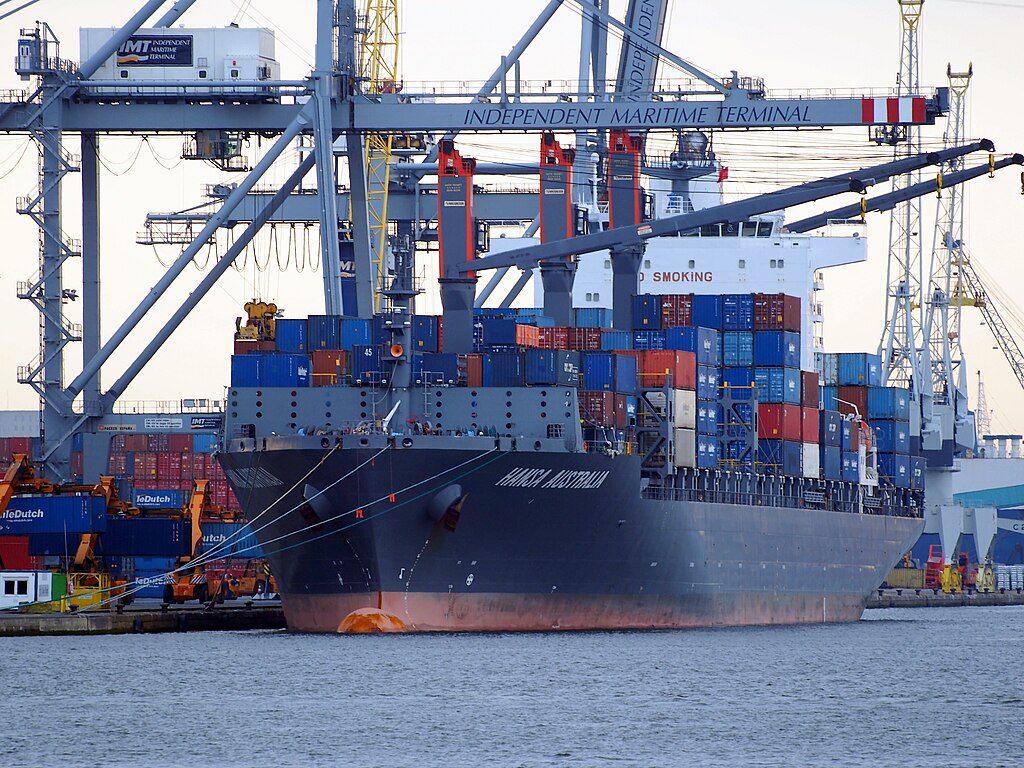
Australia’s trade surplus plummeted to its lowest level in over four years in February, as a sharp drop in exports and a rise in imports dealt a double blow to the country’s trade performance. The trade balance came in at A$2.97 billion, missing market forecasts of A$5.38 billion and falling from A$5.16 billion in January, according to data released by the Australian Bureau of Statistics.
The decline marks the weakest monthly trade surplus since August 2020, underscoring mounting pressures on Australia’s export sector. Total exports fell by 3.6% month-on-month, reversing a 0.8% increase in January. The drop was primarily driven by a sharp decline in non-monetary gold shipments, along with weaker demand for key commodities such as coal and metals.
China, Australia’s top trading partner, continued to show sluggish demand due to ongoing tensions with the U.S. and broader economic uncertainty, further weighing on resource exports.
Meanwhile, imports rose by 1.6% in February, rebounding from a 0.4% drop in January. The increase was fueled by stronger demand for consumer goods like household electronics and leisure products, as well as a notable uptick in capital goods imports.
The widening gap between exports and imports highlights shifting trade dynamics, with domestic consumption recovering while external demand, particularly from China, remains fragile.
Australia’s narrowing trade surplus could add pressure to the country’s economic outlook, especially as global trade tensions persist and commodity prices fluctuate. Economists will be closely watching upcoming trade data for signs of stabilization or further weakness.







