


 Wall Street Ends Flat as Oil, Treasury Yields and Fed Jitters Rattle Markets
  Oil Prices Jump 3% as Houthi Attack Revives Supply Fears
  Gold Holds Near $4,275 as Rising Treasury Yields Fuel Fed Rate Hike Bets
  Australia Unemployment Hits Five-Year High Despite Strong Jobs Growth
  Asian Stocks Fall as Surging Bond Yields Rattle Markets
  South Korea, US Discuss Warship Building Cooperation
  European Stocks Fall as Bond Yields and Geopolitical Risks Weigh
  Wall Street Falls as Treasury Yields Surge, Oil Rebounds on Iran Tensions
  China’s ‘Lipstick King’ Says AI Won’t Replace Livestream Hosts
  Trump, Xi Focus on Trade and AI at White House Summit
  Japan Private-Sector Growth Slows as Domestic Demand Weakens
  Dollar Holds Near Two-Month High as Yen Approaches 160
  Oil Prices Surge as U.S.-Iran Diplomacy Hopes Fade
  U.S. Dollar Hits Two-Month High as Oil, Treasury Yields Surge
  Asian Stocks Fall as Bond Yields Surge Ahead of Trump-Xi Summit
  Mexico-US Trade Talks Delayed to October as Tariff Negotiations Continue
  US 10-Year Treasury Yield at 6% Emerges as New Market Risk Threshold


 Add as a preferred source on Google
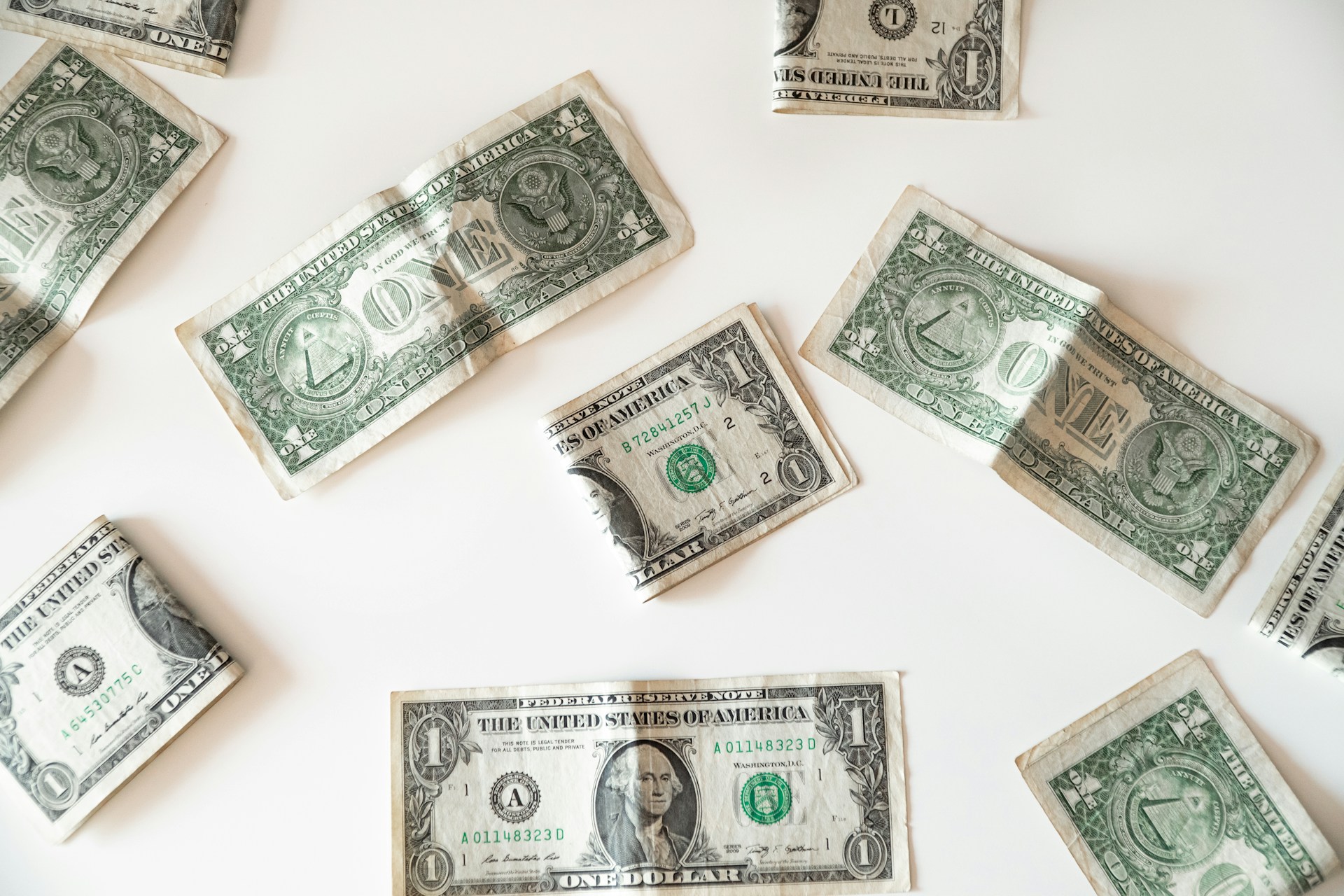
Australia’s second-largest pension fund, Australian Retirement Trust (ART), has announced it is reducing its exposure to the U.S. dollar by increasing currency hedging, as global investors reassess their U.S. allocations amid falling interest rates and heightened market volatility. The move reflects growing expectations that the U.S. dollar may weaken in the coming year as monetary policy diverges across major economies.
Andrew Fisher, ART’s general manager of total portfolio management and resilience, said the prospect of U.S. interest rate cuts in contrast with potential rate hikes in countries such as Japan and Australia is likely to put downward pressure on the greenback. Financial markets are currently pricing in around 50 basis points of U.S. rate cuts in 2026, while rates are expected to rise in Japan and Australia and remain largely stable in Europe.
ART manages approximately A$353 billion in assets, making it the second-largest fund in Australia’s A$4.5 trillion superannuation system. Fisher emphasized that the fund is not reducing its exposure to U.S. equities, which total about A$53 billion, but is instead adjusting its currency strategy to better manage foreign exchange risk.
By increasing currency hedging on U.S. equity holdings, ART aims to reduce the impact of a potential decline in the U.S. dollar. Historically, many pension funds kept U.S. investments largely unhedged, as the dollar often strengthened during periods of market stress, providing a natural buffer. However, Fisher noted that this dynamic may be changing as U.S. policy priorities increasingly favor a weaker dollar to improve competitiveness.
ART plans to rebalance its global currency exposure by hedging more of its U.S. assets while leaving other international holdings, such as Japanese equities, more fully unhedged. This approach is designed to create a more balanced portfolio in an environment of shifting interest rates and geopolitical uncertainty.
The U.S. dollar, which recently traded near a six-week high, has softened against safe-haven currencies like the Japanese yen and Swiss franc following renewed tariff threats by U.S. President Donald Trump. These developments have added to expectations of continued volatility in currency markets, reinforcing ART’s decision to adjust its hedging strategy.







