


 Gold Holds Near $4,275 as Rising Treasury Yields Fuel Fed Rate Hike Bets
  Japanese Bank Stocks Surge as Bond Yields Fuel Rate Hike Bets
  Wall Street Ends Flat as Oil, Treasury Yields and Fed Jitters Rattle Markets
  Oil Prices Jump 3% as Houthi Attack Revives Supply Fears
  RBI Uses $10 Billion Currency Swaps to Drain Excess Rupee Liquidity
  Fed Unveils Stablecoin Rules Under GENIUS Act
  Dollar Holds Near Two-Month High as Yen Approaches 160
  Fed Unveils Stablecoin Rules Under GENIUS Act
  U.S. Dollar Hits Two-Month High as Oil, Treasury Yields Surge
  Oil Prices Ease as Iran Tensions Clash With Diplomacy Hopes
  US Stock Futures Fall as Treasury Yields Surge Ahead of Trump-Xi Summit
  Asian Currencies Mixed as Dollar Holds Near Two-Month High
  Soybean Futures Slip as Traders Await Trump-Xi Trade Signals
  Canadian Dollar Faces Pressure as Fed-BoC Policy Gap Widens
  Asian Stocks Fall as Bond Yields Surge Ahead of Trump-Xi Summit
  Asian Stocks Fall as Surging Bond Yields Rattle Markets
  Trump, Xi Focus on Trade and AI at White House Summit


 Add as a preferred source on Google
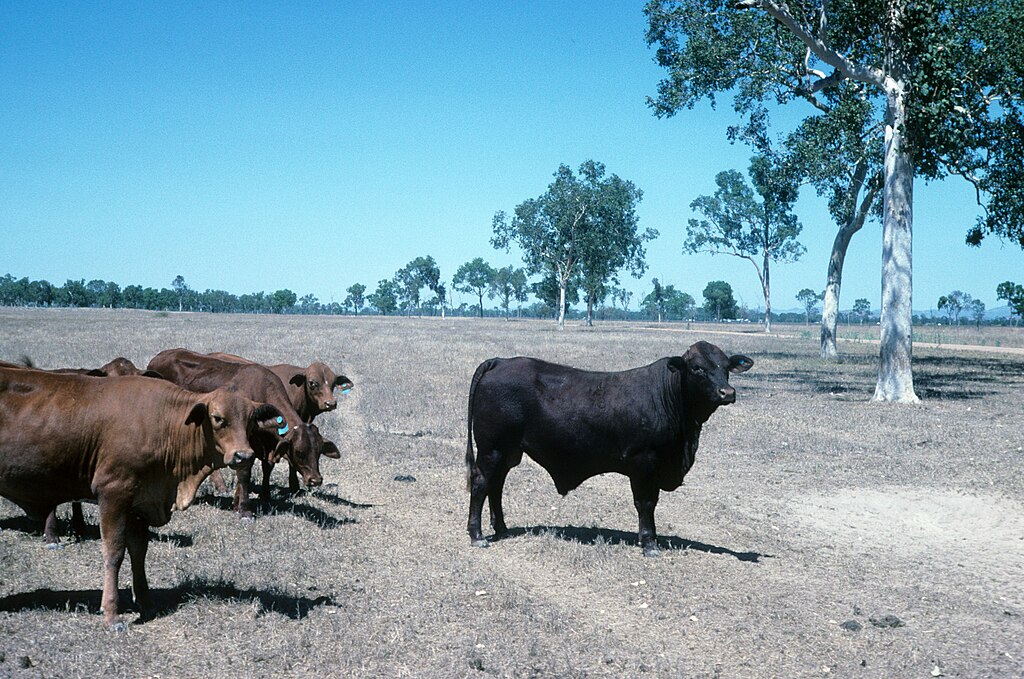
Australia’s cattle industry is undergoing a major transformation as grain-fed beef production rises to meet strong international demand. At the Gundamain feedlot in New South Wales, around 6,000 Black Angus cattle are rapidly fattened on a diet of rolled barley, silage, cottonseed, and molasses. After roughly 90 days on feed, many cattle gain up to 50% in weight, reaching an average of 600 kg—ideal for markets that prize marbled, grain-fed beef.
This shift reflects a broader structural change across Australia’s beef sector. The country, already one of the world’s largest beef exporters, shipped $8.6 billion worth of meat in the first nine months of the year. Increasing reliance on feedlots is helping Australia deliver more consistent, high-quality beef, allowing producers to compete more effectively with the United States in key Asian markets.
Feedlot capacity is expanding quickly. Cattle on feed reached a record 1.6 million head in June, up from 1 million just five years ago. Industry analysts expect that figure to hit 2 million by 2027, meaning about half of Australia’s cattle could pass through feedlots before slaughter. The growing demand for grain-fed exports—especially from Japan, South Korea, and China—supports this trend.
Australia’s rise comes as U.S. beef production tightens. Years of drought have reduced American cattle numbers to their lowest since the 1950s, contributing to declining U.S. exports and creating opportunities for Australian suppliers. With grain-fed beef prized for its tenderness, flavor, and reliable quality, Australian producers are benefiting from this supply shift.
Beyond profitability, feedlots also provide resilience. By reducing dependence on rainfall and pasture conditions, they offer stability in a country frequently hit by extreme weather. While construction costs and expected future U.S. herd recovery may constrain long-term expansion, experts say feedlots will continue to play a central role. At the same time, growing global interest in grass-fed beef ensures Australia remains well-positioned to serve both premium segments of the market.







