


 Wall Street Ends Flat as Oil, Treasury Yields and Fed Jitters Rattle Markets
  Oil Prices Surge as U.S.-Iran Diplomacy Hopes Fade
  Asian Stocks Fall as Bond Yields Surge Ahead of Trump-Xi Summit
  Japanese Bank Stocks Surge as Bond Yields Fuel Rate Hike Bets
  South Korea, US Discuss Warship Building Cooperation
  Japan Private-Sector Growth Slows as Domestic Demand Weakens
  Fed Unveils Stablecoin Rules Under GENIUS Act
  Russian Envoy Dmitriev Heads to US for Ukraine Talks
  U.S. Dollar Hits Two-Month High as Oil, Treasury Yields Surge
  Soybean Futures Slip as Traders Await Trump-Xi Trade Signals
  Gold Prices Fall as Treasury Yields Rise on Fed Rate Hike Bets
  U.S. Treasury Yields Surge as 30-Year Hits 22-Year High
  Oil Prices Ease as Iran Tensions Clash With Diplomacy Hopes
  US Stock Futures Fall as Treasury Yields Surge Ahead of Trump-Xi Summit
  China’s ‘Lipstick King’ Says AI Won’t Replace Livestream Hosts
  Australia Unemployment Hits Five-Year High Despite Strong Jobs Growth
  U.S. 10-Year Treasury Yield Hits 2007 High as Fed Rate Hike Bets Rise


 Add as a preferred source on Google
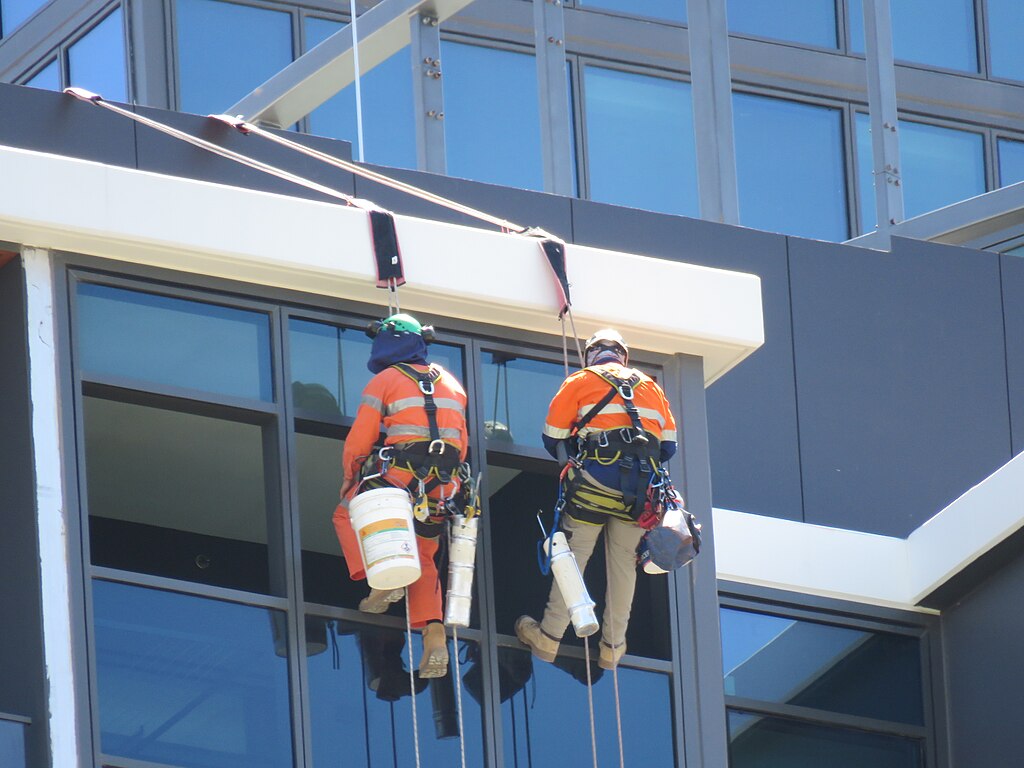
Australia's labor market delivered a stronger-than-expected performance in February, though underlying details painted a more complicated picture for the country's economic trajectory. Official data from the Australian Bureau of Statistics revealed net employment climbed by 48,900 — nearly double the 20,000 gain analysts had predicted — following a revised 26,000 increase in January.
Despite the impressive headline number, the composition of job gains raised concerns. Part-time employment surged by 79,400, largely driven by Australians aged 65 and over who delayed retirement, while full-time positions actually declined by 30,500. Meanwhile, the unemployment rate edged higher to 4.3% from 4.1%, reaching its highest point in three months as the participation rate rose to 66.9% and hours worked dipped by 0.2%.
Economists interpreted the report as leaning slightly softer beneath the surface. AMP economist My Bui noted that consecutive Reserve Bank of Australia rate hikes are beginning to create modest slack in the labor market, projecting the unemployment rate could drift toward 4.4–4.5% by year-end. Oxford Economics Australia's Harry McAuley went further, forecasting unemployment to peak near 4.6% in early 2027 as broader economic growth slows, with ongoing Middle East conflict disrupting critical oil and gas supply routes posing a key upside risk to inflation.
The RBA raised interest rates for a second straight month on Tuesday, citing a resilient jobs market and mounting inflationary pressures linked to the Iran war. Financial markets are currently pricing in approximately a 57% probability of another quarter-point hike to 4.35% at the May meeting, with an additional 50 basis points of tightening expected throughout the year.
With conflicting signals emerging from the same dataset, the path forward for Australian monetary policy remains uncertain, and upcoming labor and inflation reports will be closely watched by traders and policymakers alike.







