


 South Korea, US Discuss Warship Building Cooperation
  Asian Currencies Mixed as Dollar Holds Near Two-Month High
  Mexico-US Trade Talks Delayed to October as Tariff Negotiations Continue
  Trump, Xi Focus on Trade and AI at White House Summit
  Japan Private-Sector Growth Slows as Domestic Demand Weakens
  US, China Extend Trade Truce to Jan. 10 Ahead of Trump-Xi Summit
  China’s ‘Lipstick King’ Says AI Won’t Replace Livestream Hosts
  Fed Unveils Stablecoin Rules Under GENIUS Act
  U.S. Treasury Yields Surge as 30-Year Hits 22-Year High
  Australia Unemployment Hits Five-Year High Despite Strong Jobs Growth
  Oil Prices Surge as U.S.-Iran Diplomacy Hopes Fade
  Fed Unveils Stablecoin Rules Under GENIUS Act
  Japanese Bank Stocks Surge as Bond Yields Fuel Rate Hike Bets
  U.S. 10-Year Treasury Yield Hits 2007 High as Fed Rate Hike Bets Rise
  US Stock Futures Fall as Treasury Yields Surge Ahead of Trump-Xi Summit
  Asian Stocks Fall as Bond Yields Surge Ahead of Trump-Xi Summit
  Oil Prices Jump 3% as Houthi Attack Revives Supply Fears


 Add as a preferred source on Google
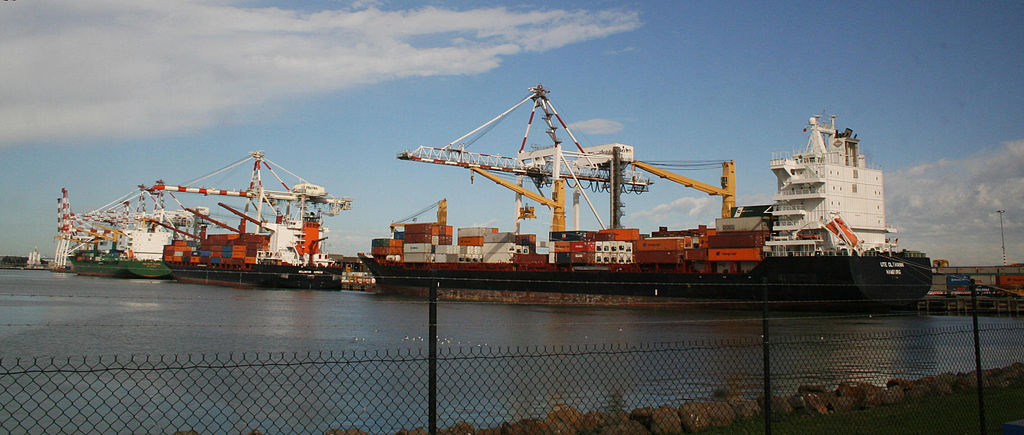
Australia recorded an unexpected trade deficit in March as exports declined and imports jumped sharply, driven by rising demand for artificial intelligence-related computing equipment and fuel imports. According to data released by the Australian Bureau of Statistics, the country posted a trade deficit of A$1.84 billion ($1.3 billion), significantly missing market expectations of a A$4.25 billion surplus.
The weak result marked a dramatic reversal from February’s revised A$5 billion trade surplus and highlighted growing pressure on Australia’s export sector. Exports fell 2.7% month-on-month in March, mainly due to weaker shipments of metal ores, coal, and sugar. Softer commodity exports weighed heavily on the overall trade balance, although mineral fuel exports managed to rise by 4.6% during the month.
Meanwhile, imports surged 14.1% compared to the previous month, fueled by a sharp increase in capital goods purchases. One of the biggest drivers was Automated Data Processing equipment imports, which soared 204% in March as businesses accelerated investments in artificial intelligence infrastructure and advanced computing systems.
Australia also saw a significant rise in crude petroleum and gasoline imports following a major refinery fire and outage in Victoria. The disruption increased the country’s reliance on imported fuel supplies, adding further pressure to the trade balance.
Despite the disappointing trade data, Australia’s benchmark S&P/ASX 200 index remained positive, rising 0.79% to 8,862.90 in real-time trading. The Australian dollar also posted modest gains against the U.S. dollar.
Economists are closely monitoring Australia’s trade performance as global commodity demand softens and AI-related investments continue to reshape import trends. The March data reflects both weakening export momentum and strong domestic demand for technology and energy products in the Australian economy.







