


 Wall Street Falls as Treasury Yields Surge, Oil Rebounds on Iran Tensions
  Fed Unveils Stablecoin Rules Under GENIUS Act
  Dollar Holds Near Two-Month High as Yen Approaches 160
  U.S. 10-Year Treasury Yield Hits 2007 High as Fed Rate Hike Bets Rise
  Australia Unemployment Hits Five-Year High Despite Strong Jobs Growth
  Mexico-US Trade Talks Delayed to October as Tariff Negotiations Continue
  Russian Envoy Dmitriev Heads to US for Ukraine Talks
  Asian Currencies Mixed as Dollar Holds Near Two-Month High
  U.S. Dollar Hits Two-Month High as Oil, Treasury Yields Surge
  South Korea, US Discuss Warship Building Cooperation
  Asian Stocks Fall as Bond Yields Surge Ahead of Trump-Xi Summit
  Gold Holds Near $4,275 as Rising Treasury Yields Fuel Fed Rate Hike Bets
  Soybean Futures Slip as Traders Await Trump-Xi Trade Signals
  Fed Unveils Stablecoin Rules Under GENIUS Act
  Wall Street Ends Flat as Oil, Treasury Yields and Fed Jitters Rattle Markets
  Japanese Bank Stocks Surge as Bond Yields Fuel Rate Hike Bets
  RBI Uses $10 Billion Currency Swaps to Drain Excess Rupee Liquidity


 Add as a preferred source on Google
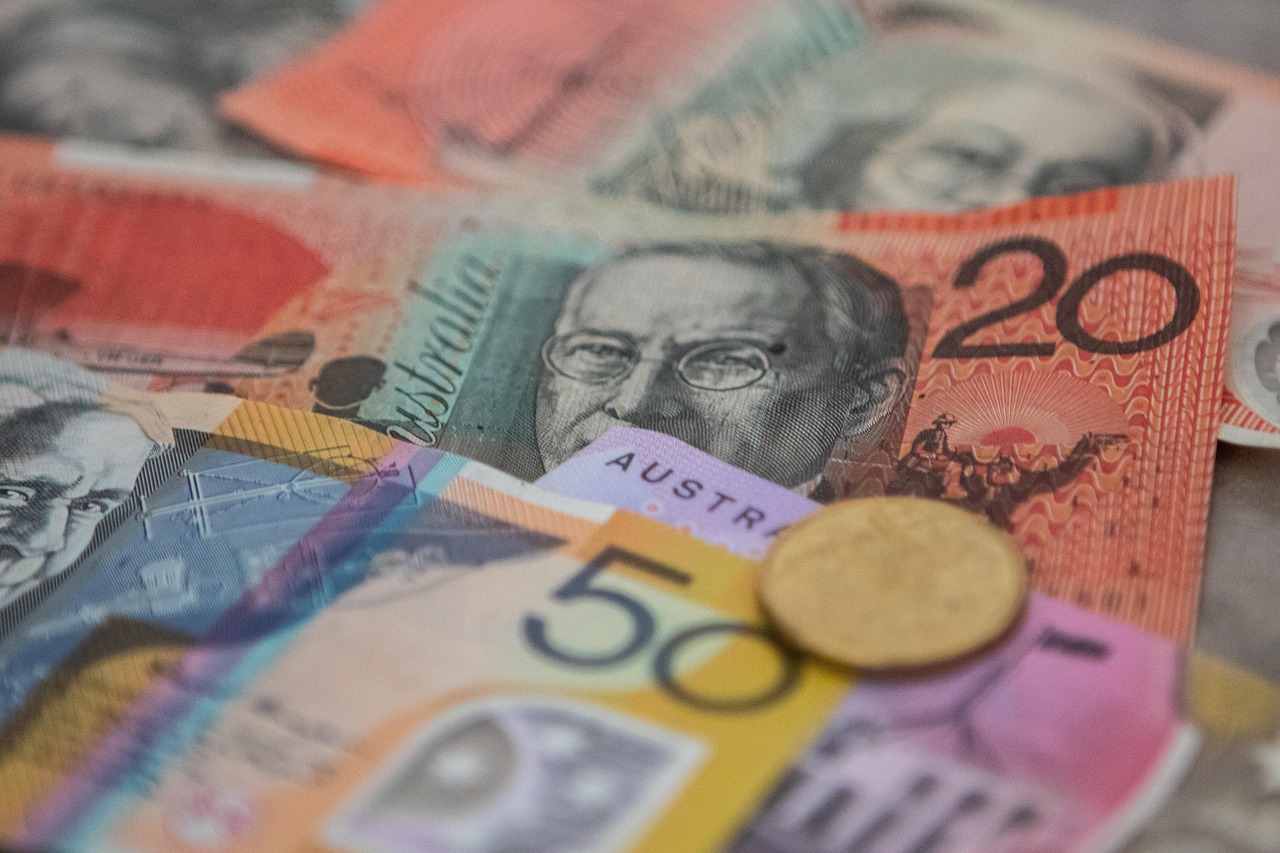
Asian currencies traded in a narrow range on Tuesday as investors remained cautious amid escalating geopolitical tensions between the United States and Iran, while also focusing on central bank policy signals. Market activity was subdued due to thin liquidity, with major regional markets in Japan, China, and South Korea closed for holidays, limiting trading volumes and directional momentum.
The US Dollar Index edged slightly higher, gaining around 0.1% and extending its recent upward trend. This strength was largely driven by increased safe-haven demand and rising US Treasury yields, as global uncertainty continues to influence investor behavior. Currency traders are closely monitoring geopolitical developments, particularly in the Strait of Hormuz, a critical oil shipping route.
The Reserve Bank of Australia (RBA) delivered a widely expected interest rate hike, raising its cash rate by 25 basis points to 4.35%. This marks the third consecutive increase, reflecting ongoing concerns about persistent inflation. The central bank highlighted that rising fuel and commodity prices—partly influenced by Middle East tensions—are contributing to inflationary pressures. It also warned of potential second-round effects, where businesses may pass higher costs onto consumers, keeping inflation elevated for a longer period than previously anticipated. Despite the hawkish tone, the Australian dollar (AUD/USD) remained largely unchanged following the announcement.
Geopolitical risks intensified after the US announced “Project Freedom,” an initiative aimed at securing shipping lanes in the Strait of Hormuz. However, market participants have reacted cautiously, uncertain about the plan’s effectiveness in stabilizing oil supply chains. Oil prices, which surged nearly 6% in the previous session, eased slightly but remained above $100 per barrel, sustaining inflation concerns globally.
Across Asia, currency movements were minimal. The Japanese yen (USD/JPY) traded flat, while the South Korean won (USD/KRW) weakened slightly. The Chinese yuan, Singapore dollar, and Indian rupee also showed limited movement against the US dollar. Analysts expect Asian foreign exchange markets to remain range-bound in the near term, as traders weigh the impact of geopolitical risks, oil price volatility, and ongoing central bank tightening cycles.







