


 Soybean Futures Slip as Traders Await Trump-Xi Trade Signals
  Asian Currencies Mixed as Dollar Holds Near Two-Month High
  Australia Unemployment Hits Five-Year High Despite Strong Jobs Growth
  U.S. Treasury Yields Surge as 30-Year Hits 22-Year High
  Fed Unveils Stablecoin Rules Under GENIUS Act
  China’s ‘Lipstick King’ Says AI Won’t Replace Livestream Hosts
  Oil Prices Jump 3% as Houthi Attack Revives Supply Fears
  Gold Prices Fall as Treasury Yields Rise on Fed Rate Hike Bets
  Japan Private-Sector Growth Slows as Domestic Demand Weakens
  Trump, Xi Focus on Trade and AI at White House Summit
  U.S. 10-Year Treasury Yield Hits 2007 High as Fed Rate Hike Bets Rise
  Japanese Bank Stocks Surge as Bond Yields Fuel Rate Hike Bets
  Russian Envoy Dmitriev Heads to US for Ukraine Talks
  Oil Prices Ease as Iran Tensions Clash With Diplomacy Hopes
  Wall Street Falls as Treasury Yields Surge, Oil Rebounds on Iran Tensions
  Asian Stocks Fall as Bond Yields Surge Ahead of Trump-Xi Summit


 Add as a preferred source on Google
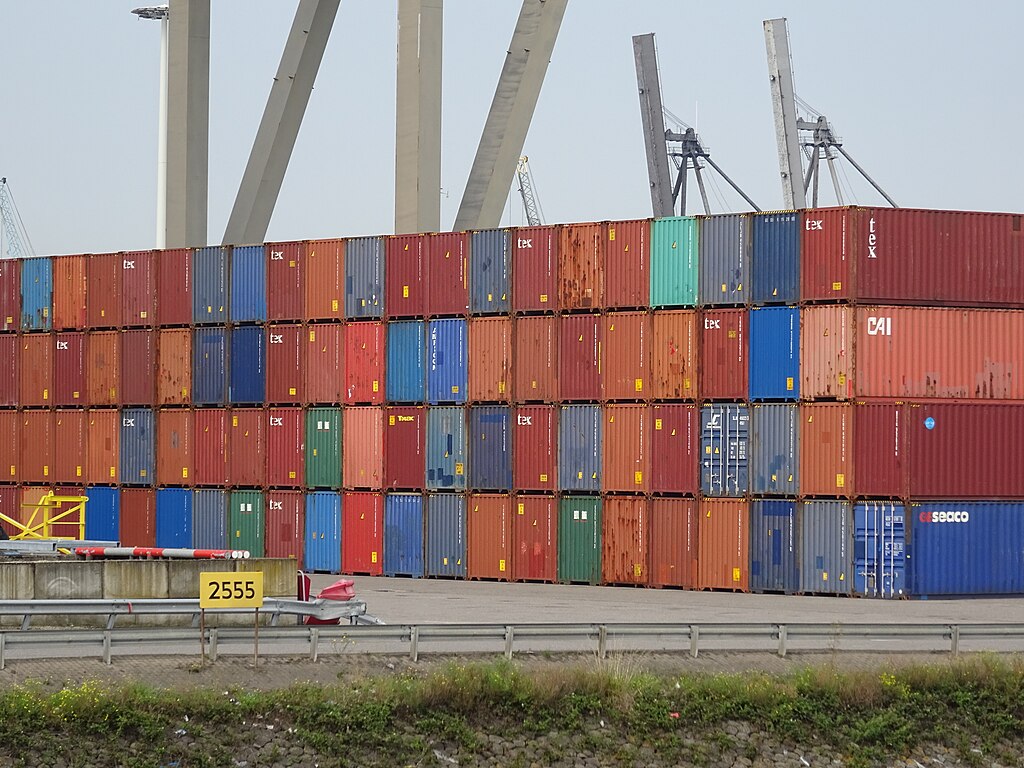
Australia recorded a significant widening of its trade surplus in February, as a powerful rebound in exports combined with softening import demand to deliver results well beyond market expectations. Official data released Thursday by the Australian Bureau of Statistics revealed a seasonally adjusted trade balance of A$5.69 billion (approximately USD $3.94 billion), more than double January's revised surplus of A$2.26 billion and far ahead of the A$2.81 billion that analysts had forecast.
Exports were the primary driver of the improvement, rising 4.9% month-on-month after contracting 1.6% in January. The standout contributor was non-monetary gold, which surged nearly 30% over the period and accounted for a substantial share of the overall export gains. The gold-led rebound signals strong global demand for safe-haven assets amid ongoing economic uncertainty.
On the import side, spending fell 3.2% in February, reversing the 1.0% increase seen the previous month. Declining purchases of non-monetary gold and a pullback in capital goods imports were the key factors behind the drop, further reinforcing the surplus expansion.
However, the headline figures masked some underlying weakness in Australia's core commodity exports. Shipments of iron ore, coal, and liquefied natural gas all declined over the month, raising questions about the durability of broader export growth given softer global demand conditions in these sectors.
The ABS also noted that February trade data remained largely unaffected by the ongoing Middle East conflict, with any trade disruptions or supply chain impacts expected to emerge in the March figures. Analysts will be watching closely to gauge whether geopolitical pressures translate into measurable shifts in Australia's export and import patterns going forward, particularly for energy commodities where regional instability could influence pricing and shipping routes.







