


 Japan Private-Sector Growth Slows as Domestic Demand Weakens
  Fed Unveils Stablecoin Rules Under GENIUS Act
  Russian Envoy Dmitriev Heads to US for Ukraine Talks
  Gold Prices Fall as Treasury Yields Rise on Fed Rate Hike Bets
  Wall Street Falls as Treasury Yields Surge, Oil Rebounds on Iran Tensions
  US, China Extend Trade Truce to Jan. 10 Ahead of Trump-Xi Summit
  US 10-Year Treasury Yield at 6% Emerges as New Market Risk Threshold
  RBI Uses $10 Billion Currency Swaps to Drain Excess Rupee Liquidity
  Oil Prices Surge as U.S.-Iran Diplomacy Hopes Fade
  Trump, Xi Focus on Trade and AI at White House Summit
  U.S. Dollar Hits Two-Month High as Oil, Treasury Yields Surge
  European Stocks Fall as Bond Yields and Geopolitical Risks Weigh
  European Stocks Slip as Iran Tensions Offset Strong Eurozone Data
  Fed Unveils Stablecoin Rules Under GENIUS Act
  South Korea, US Discuss Warship Building Cooperation
  US Stock Futures Fall as Treasury Yields Surge Ahead of Trump-Xi Summit


 Add as a preferred source on Google
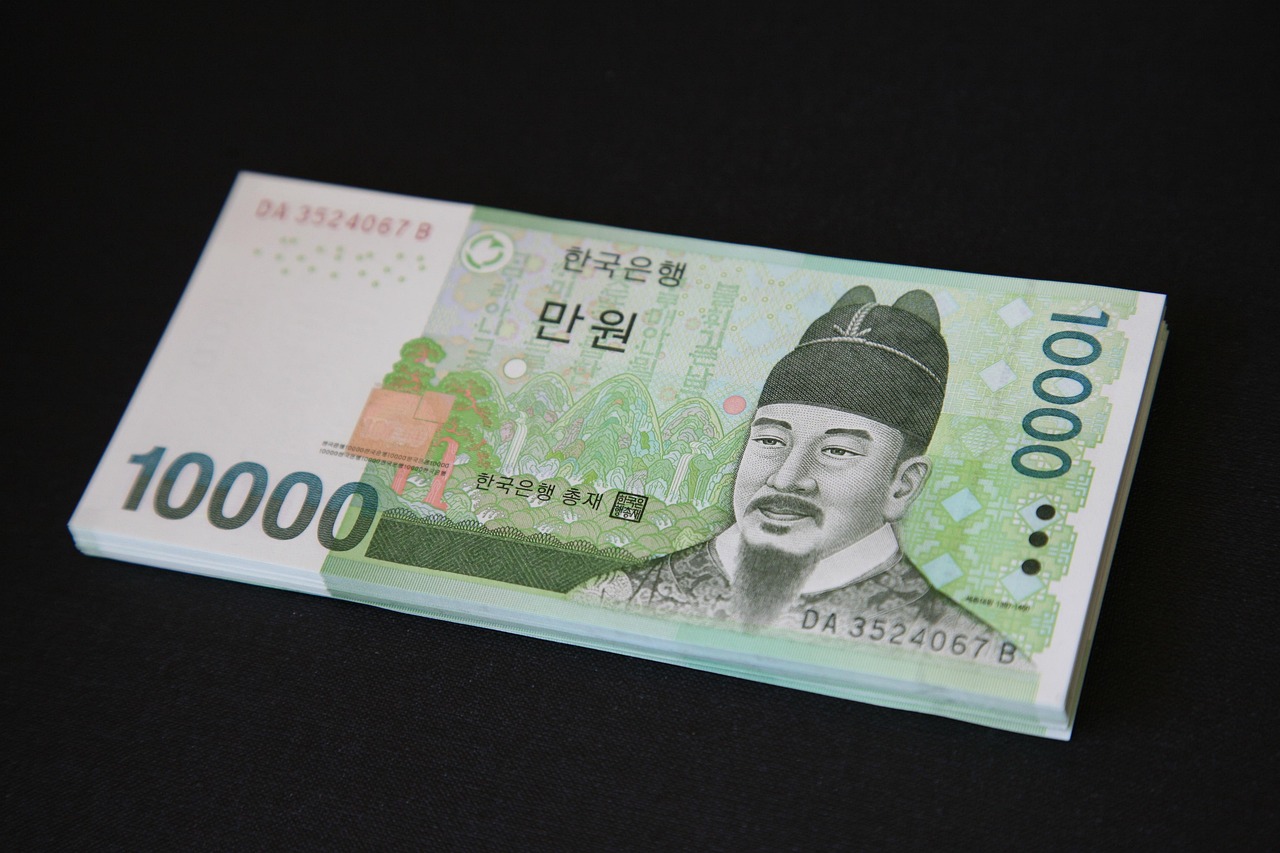
Most Asian currencies traded in narrow ranges on Wednesday as investors remained cautious over escalating tensions in the Middle East and weaker-than-expected Chinese economic growth, despite a softer U.S. dollar following lower inflation data.
Market sentiment stayed subdued after President Donald Trump said the United States would continue military strikes against Iran until Tehran agreed to a deal. U.S. Central Command also confirmed a fourth straight day of operations targeting Iranian military assets linked to threats in the Strait of Hormuz. The conflict kept oil prices elevated, raising concerns that higher energy costs could fuel inflation and limit demand for risk-sensitive Asian currencies.
The U.S. dollar eased after June consumer inflation came in below expectations, reducing the likelihood of an immediate Federal Reserve interest rate hike. The U.S. Dollar Index hovered near 100.8 in Asian trading after its biggest one-day decline in weeks. However, losses in the greenback were capped after Federal Reserve Chair Kevin Warsh reiterated the central bank’s commitment to returning inflation to its 2% target, leaving the door open for additional rate hikes later this year.
China’s second-quarter GDP grew 4.3% year-on-year, missing market forecasts and highlighting persistent weakness in domestic demand despite resilient exports. Industrial production exceeded expectations, but fixed asset investment contracted for a third consecutive month, while retail sales rose only 1% in June. The data reinforced expectations that Beijing may introduce more economic stimulus, although additional monetary easing could put further pressure on the yuan. Both the onshore and offshore yuan were little changed against the U.S. dollar.
The Japanese yen remained under pressure, with USD/JPY holding above 162 as traders monitored comments from Finance Minister Satsuki Katayama regarding potential adjustments to the Government Pension Investment Fund’s asset allocation. The remarks fueled speculation about longer-term efforts to support domestic markets while the yen remains near multi-decade lows.
Elsewhere, South Korea’s won weakened slightly after June exports surged 70.7% year-on-year, narrowly missing expectations but reflecting strong AI-driven semiconductor demand. Taiwan’s dollar, the Australian dollar, and the New Zealand dollar were broadly steady, while the Singapore dollar traded flat and the Indian rupee edged lower ahead of key domestic economic data. Investors now await U.S. producer price inflation for fresh clues on the Federal Reserve’s policy outlook and the dollar’s next move.







