


 US Comfortable With Canada Trade Standoff as Import Bans Loom
  Japanese Bank Stocks Surge as Bond Yields Fuel Rate Hike Bets
  Fed Unveils Stablecoin Rules Under GENIUS Act
  Canadian Dollar Faces Pressure as Fed-BoC Policy Gap Widens
  Trump, Xi Focus on Trade and AI at White House Summit
  Asian Stocks Fall as Surging Bond Yields Rattle Markets
  European Stocks Fall as Bond Yields and Geopolitical Risks Weigh
  Gold Prices Fall as Treasury Yields Rise on Fed Rate Hike Bets
  Oil Prices Jump 3% as Houthi Attack Revives Supply Fears
  UK PM Burnham to Unveil Economic Vision at Labour Conference
  China Agrees to Buy 20 Million Tons of U.S. Coal
  U.S. Treasury Yields Surge as 30-Year Hits 22-Year High
  US Stock Futures Fall as Treasury Yields Surge Ahead of Trump-Xi Summit
  Fed Unveils Stablecoin Rules Under GENIUS Act
  U.S. Dollar Hits Two-Month High as Oil, Treasury Yields Surge
  Gold Holds Near $4,275 as Rising Treasury Yields Fuel Fed Rate Hike Bets


 Add as a preferred source on Google
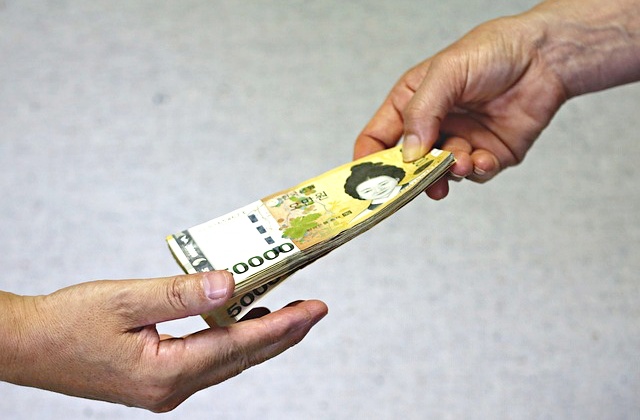
Asian currencies strengthened on Wednesday as the U.S. dollar weakened amid uncertainty over President Donald Trump’s proposed tax reform and heightened caution during the ongoing G7 finance ministers' meeting, which often addresses foreign exchange matters.
The U.S. Dollar Index dropped 0.3%, while Dollar Index Futures declined 0.4% during Asian trading hours. The dip followed Trump’s push for congressional Republicans to support a sweeping tax cut bill, though key lawmakers remain unconvinced. If passed, the bill could significantly expand the U.S. fiscal deficit. Last week, Moody’s downgraded the U.S. credit rating due to rising national debt.
Investors are closely watching the G7 meeting in Canada, where any changes in language around FX policy could impact dollar sentiment. Analysts at ING noted that minor tweaks in the final communique could trigger market reactions.
Meanwhile, several Federal Reserve officials cautioned that persistent trade tariffs could elevate inflation, possibly delaying interest rate cuts.
In Asia, the South Korean won led gains, with the USD/KRW pair dropping 0.5%, followed by the Japanese yen, with USD/JPY down 0.4%. Japan’s trade balance unexpectedly shrank in April, reflecting weak exports due to U.S. tariffs and a strong yen.
The Chinese yuan remained steady despite escalating tensions. Beijing opposed new U.S. restrictions targeting Huawei chips, warning that such actions could jeopardize the fragile 90-day trade truce.
Elsewhere, the Australian dollar rebounded, with AUD/USD up 0.5% after Tuesday’s 25 basis point rate cut by the Reserve Bank of Australia. The Singapore dollar (USD/SGD) slipped 0.2%, while the Indian rupee (USD/INR) held steady.
The combination of a weaker dollar, trade concerns, and central bank signals helped lift sentiment for Asia’s emerging market currencies.







