


 Oil Prices Jump 3% as Houthi Attack Revives Supply Fears
  Soybean Futures Slip as Traders Await Trump-Xi Trade Signals
  Gold Drops Over 1% as Dollar, Treasury Yields Surge on Fed Rate Hike Bets
  South Korea, US Discuss Warship Building Cooperation
  U.S. Dollar Hits Two-Month High as Oil, Treasury Yields Surge
  US Stock Futures Fall as Treasury Yields Surge Ahead of Trump-Xi Summit
  Mexico-US Trade Talks Delayed to October as Tariff Negotiations Continue
  Gold Prices Fall as Treasury Yields Rise on Fed Rate Hike Bets
  Wall Street Falls as Treasury Yields Surge, Oil Rebounds on Iran Tensions
  Wall Street Ends Flat as Oil, Treasury Yields and Fed Jitters Rattle Markets
  Japan Private-Sector Growth Slows as Domestic Demand Weakens
  Fed Unveils Stablecoin Rules Under GENIUS Act
  US 10-Year Treasury Yield at 6% Emerges as New Market Risk Threshold
  US, China Extend Trade Truce to Jan. 10 Ahead of Trump-Xi Summit
  European Stocks Slip as Iran Tensions Offset Strong Eurozone Data
  European Stocks Fall as Bond Yields and Geopolitical Risks Weigh
  Russian Envoy Dmitriev Heads to US for Ukraine Talks


 Add as a preferred source on Google
Asian currencies traded in narrow ranges on Thursday as investors assessed the U.S. Federal Reserve’s decision to keep interest rates unchanged while Fed Chair Kevin Warsh reinforced the central bank’s commitment to bringing inflation back to target. His remarks supported expectations that U.S. interest rates could stay elevated for longer, helping the U.S. dollar recover from overnight losses.
The U.S. Dollar Index climbed to around 100.9 after Warsh emphasized that inflation remains the Fed’s primary focus, despite policymakers stopping short of signaling another immediate rate increase. Markets now estimate about a 64% chance of a September rate hike, down from roughly 81% before the Fed meeting, according to CME FedWatch.
Geopolitical risks also remained a key market driver after the United States launched fresh strikes on Iranian targets following what Washington described as an attempted attack on U.S. forces. The renewed Middle East tensions prompted investors to monitor potential disruptions to global energy supplies and regional market sentiment.
Among Asian currencies, the Singapore dollar was little changed after Singapore announced a SGD900 million support package to help households and businesses manage rising costs linked to geopolitical uncertainty. The announcement followed the Monetary Authority of Singapore’s recent decision to slightly steepen the appreciation path of its exchange rate policy band. DBS analysts said Singapore’s strong fiscal position should continue attracting capital inflows despite global uncertainty.
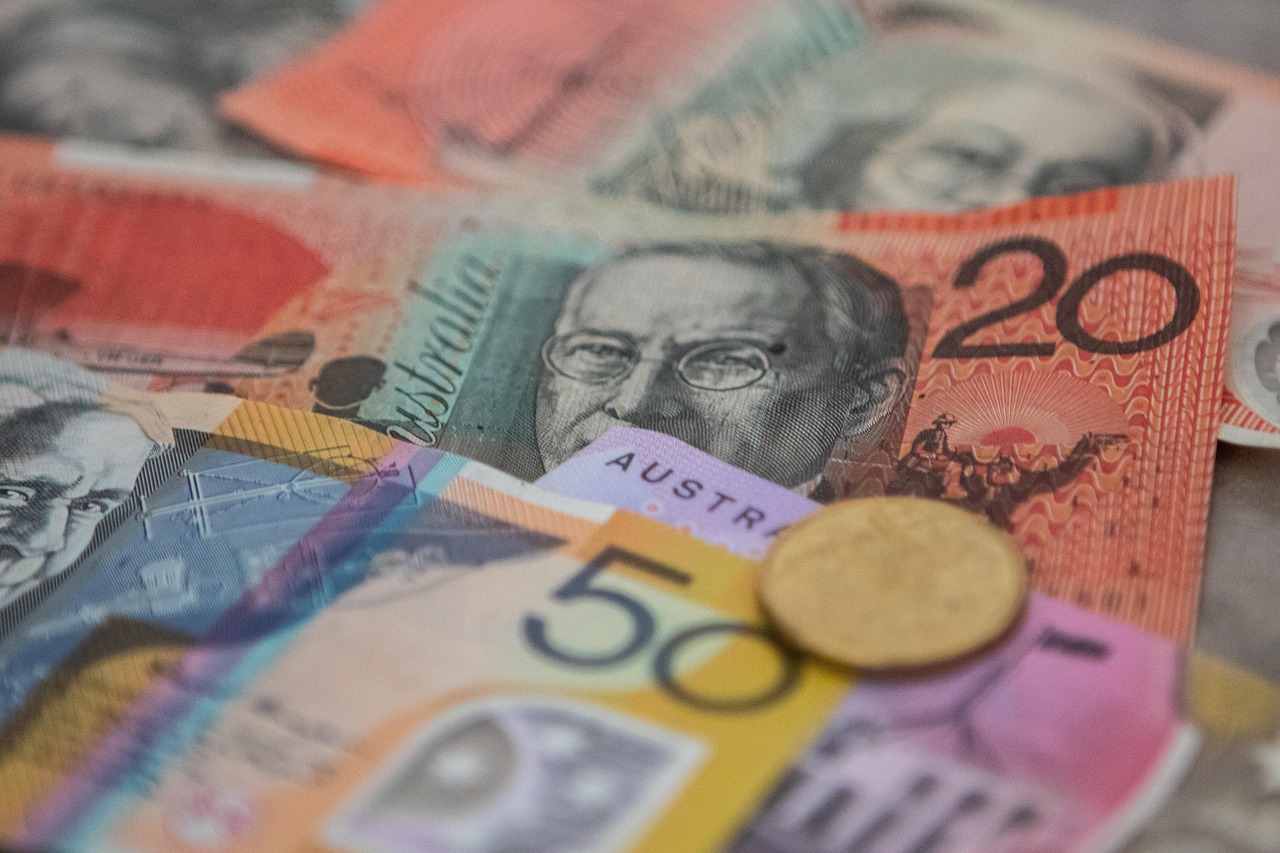
Elsewhere, the Australian dollar slipped around 0.2%, while the New Zealand dollar posted modest gains. The Japanese yen hovered near multi-decade lows, with USD/JPY trading around 163.5 ahead of Friday’s Bank of Japan policy decision. The South Korean won weakened slightly, while both the onshore and offshore Chinese yuan traded within tight ranges. The Indian rupee, Malaysian ringgit, Thai baht, and Philippine peso also remained broadly stable.
Investors are now turning their attention to the Bank of England’s policy announcement, where rates are widely expected to remain unchanged. Focus will then shift to the Bank of Japan on Friday, alongside key regional economic data, including China’s official manufacturing PMI, Taiwan’s second-quarter GDP, and Hong Kong’s economic growth figures, all of which could influence Asian currency markets in the coming sessions.







