


 Dow Hits 50,000 as U.S. Stocks Stage Strong Rebound Amid AI Volatility
  Fungi are among the planet’s most important organisms — yet they continue to be overlooked in conservation strategies
  Thousands of satellites are due to burn up in the atmosphere every year – damaging the ozone layer and changing the climate
  Vietnam’s Trade Surplus With US Jumps as Exports Surge and China Imports Hit Record
  Baidu Approves $5 Billion Share Buyback and Plans First-Ever Dividend in 2026
  Anthropic Eyes $350 Billion Valuation as AI Funding and Share Sale Accelerate
  South Korea Assures U.S. on Trade Deal Commitments Amid Tariff Concerns
  Gold Prices Slide Below $5,000 as Strong Dollar and Central Bank Outlook Weigh on Metals
  Global PC Makers Eye Chinese Memory Chip Suppliers Amid Ongoing Supply Crunch
  Gold and Silver Prices Rebound After Volatile Week Triggered by Fed Nomination
  Toyota’s Surprise CEO Change Signals Strategic Shift Amid Global Auto Turmoil
  SpaceX Prioritizes Moon Mission Before Mars as Starship Development Accelerates
  What’s so special about Ukraine’s minerals? A geologist explains
  Swimming in the sweet spot: how marine animals save energy on long journeys
  How America courted increasingly destructive wildfires − and what that means for protecting homes today
  Instagram Outage Disrupts Thousands of U.S. Users


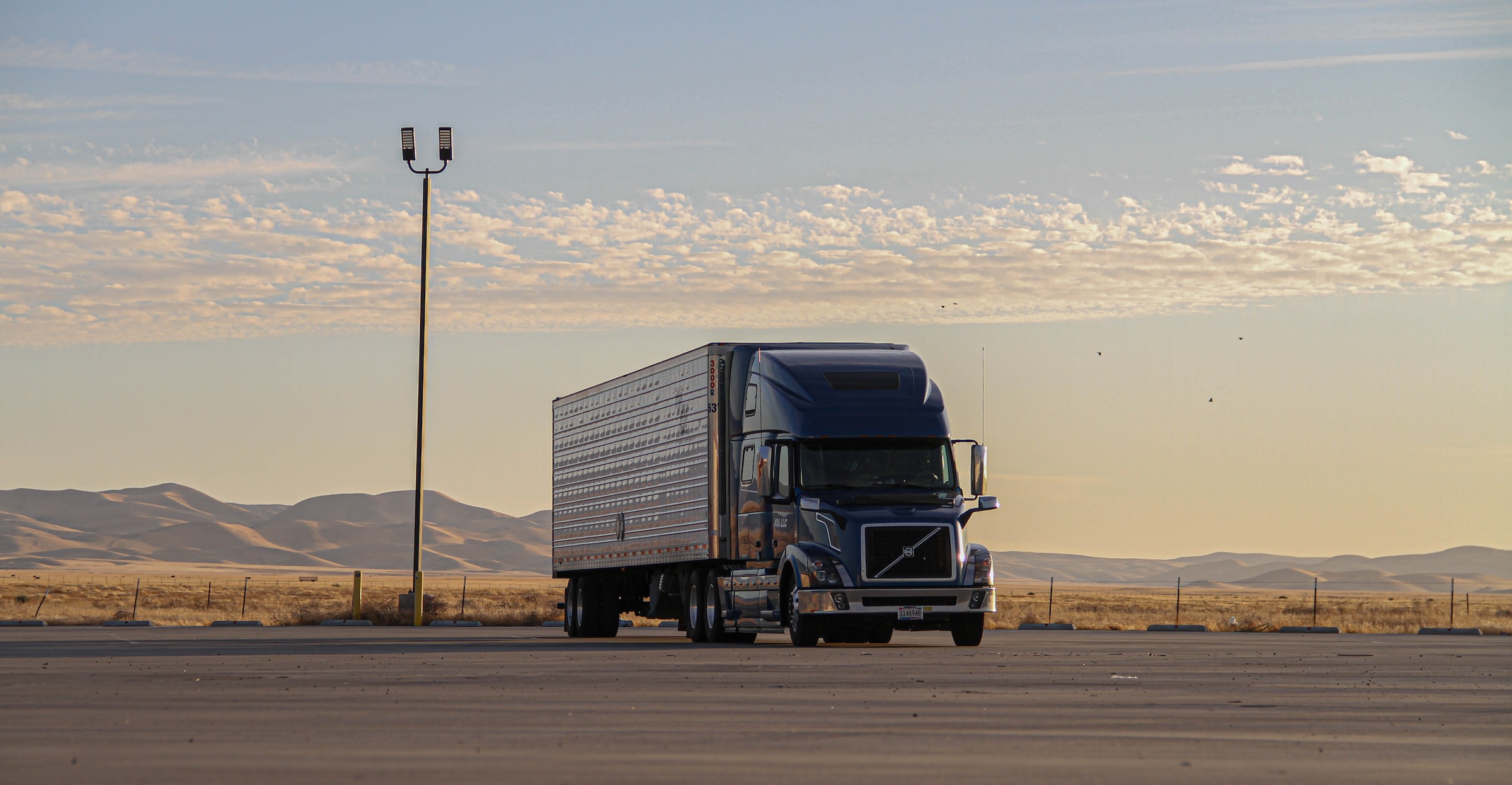
Arla Foods and Danish Crown, in partnership with DFDS and DSV, are developing a climate-neutral food shipping corridor from Denmark to the UK. The ambitious initiative, set to be completed by 2030, involves the use of electric trucks and refrigerated trailers for dairy and meat transportation. It marks a significant step toward the goal of carbon-free food transport.
As the project progresses, the scope of the transport corridor will expand, and greener fuels will be tested and phased in. The ultimate goal is to achieve carbon-free food transport.
Bo Svane, Head of Logistics at Arla, explained that by collaborating, Arla and Danish Crown can achieve the historic transition of becoming climate-neutral by 2050 and help pioneer the food industry's green revolution. Lars Feldskou, Group CPO of Danish Crown, added that, with the partnership for the corridor, their company could lead the charge for the green transition of the food industry.
Anders Michael Christensen, Vice President of DFDS Logistics, emphasized the need for collaboration across the value chain to solve the climate crisis. Morten Kjærgaard, Vice President of DSV Road, also stressed that a climate-neutral transport corridor requires not only commercial commitment but also the political will to expand the infrastructure.
According to him, the solution to the climate crisis cannot be achieved overnight. This is precisely why collaborating across sectors, like what they're doing now, is paramount. Joining forces in such a manner facilitates progress and provides momentum toward a sustainable future.
The first charging points for electric trucks have already been installed at various locations in Denmark. Yet, many more will be required going forward, with sufficient charging capacity to handle heavy-duty traffic, including at the harbor in Esbjerg and at Danish Crown and Arla locations in Denmark.
The project is underway, and with these major companies teaming up to promote and deliver on the green transition, we can all look forward to a more sustainable future.
Photo: Sander Yigin/Unsplash













