


 Oil Prices Ease as Iran Tensions Clash With Diplomacy Hopes
  US 10-Year Treasury Yield at 6% Emerges as New Market Risk Threshold
  Canadian Dollar Faces Pressure as Fed-BoC Policy Gap Widens
  Fed’s Hammack Says Bond Yield Surge Is Not Driven by Inflation Fears
  Asian Stocks Fall as Bond Yields Surge Ahead of Trump-Xi Summit
  Japan Private-Sector Growth Slows as Domestic Demand Weakens
  Dollar Holds Near Two-Month High as Yen Approaches 160
  Asian Currencies Mixed as Dollar Holds Near Two-Month High
  China’s ‘Lipstick King’ Says AI Won’t Replace Livestream Hosts
  Gold Prices Fall as Treasury Yields Rise on Fed Rate Hike Bets
  Wall Street Ends Flat as Oil, Treasury Yields and Fed Jitters Rattle Markets
  Fed Unveils Stablecoin Rules Under GENIUS Act
  Soybean Futures Slip as Traders Await Trump-Xi Trade Signals
  Dollar Falls as Oil Eases, Yen Jumps on Intervention Signals
  Asian Stocks Fall as Surging Bond Yields Rattle Markets
  European Stocks Fall as Bond Yields and Geopolitical Risks Weigh


 Add as a preferred source on Google
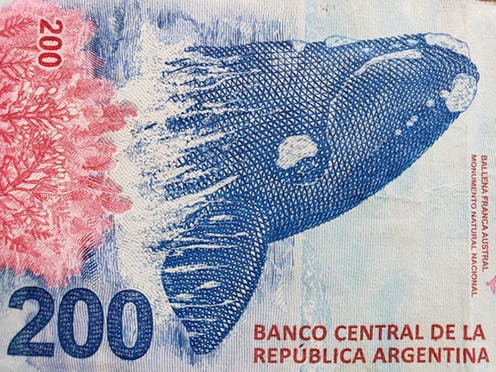
Argentina’s Treasury intervened in the foreign exchange market on Friday by selling U.S. dollars in an effort to curb the peso’s decline, marking the first trading session under the country’s newly implemented currency trading band regime. According to a Bloomberg report published late Friday, market participants estimated that the Treasury sold between $150 million and $200 million during the session, signaling an active approach to stabilizing the local currency at the start of the year.
The peso weakened by around 1.4% on the day, closing at approximately 1,475 per dollar. This movement came as investors and traders adjusted to the new foreign exchange framework announced by Argentine authorities in December. Under the revised system, the peso is allowed to fluctuate within trading bands that expand at the same pace as monthly inflation, replacing the previous policy that capped the adjustment at 1% per month. Officials hope the change will better reflect economic realities while reducing distortions in the currency market.
The debut of the new FX trading band regime is being closely watched by investors, as Argentina continues to navigate high inflation, limited reserves, and tight capital controls. The Treasury’s decision to sell dollars on the first trading day of the year suggests a willingness to intervene when volatility threatens to accelerate peso losses, even as policymakers aim to give the market more flexibility.
Attention is also focused on Argentina’s near-term debt obligations. The country faces an upcoming payment on its U.S. dollar-denominated bonds on January 9, which includes both principal and interest. Despite ongoing economic challenges, investors appear relatively confident that Argentina will meet this payment. Data compiled by Bloomberg shows that outstanding sovereign bonds maturing between 2030 and 2038 are trading above 75 cents on the dollar, reflecting improved market sentiment compared with previous periods of stress.
Overall, Argentina’s dollar sales, the peso’s initial reaction, and bond market performance highlight a critical test for the new currency policy. How authorities balance intervention with flexibility will be key to maintaining confidence in the peso and the broader financial system in the months ahead.







