


 China Tightens Fentanyl Rules Ahead of Trump-Xi Summit
  Macron, Trump Discuss Ukraine-Russia Energy Strike Moratorium
  Marco Rubio to Meet Russia’s Lavrov in New York
  CNN, MS NOW and Politico Sue Trump Over White House Media Ban
  Scott Bessent Eyed as Trump’s New AI Czar
  US Plans Two New Military Bases in Greenland Under Arctic Deal
  Trump to Press Xi on Release of US Nuclear Expert Held in China
  Zelenskiy Warns Russia Preparing Major Attack on Ukraine
  Trump Says U.S.-Iran Peace Deal Near After UN Talks
  Trump Administration Prepares Sanctions Against Entire ICC
  Iran Vows ‘Crushing’ Response as US Talks Continue
  Trump Scales Back Endangered Species Act Protections
  Trump Meets Venezuela’s Delcy Rodriguez at UN Assembly
  Russian Strikes Kill Eight Across Ukraine as Energy Sites Hit
  Taiwan Vows to Advance US Arms Sales Ahead of Trump-Xi Meeting
  US, Denmark and Greenland Set to Sign Arctic Security Deal
  Lula Meets Mamdani in New York as Elections Approach


 Add as a preferred source on Google
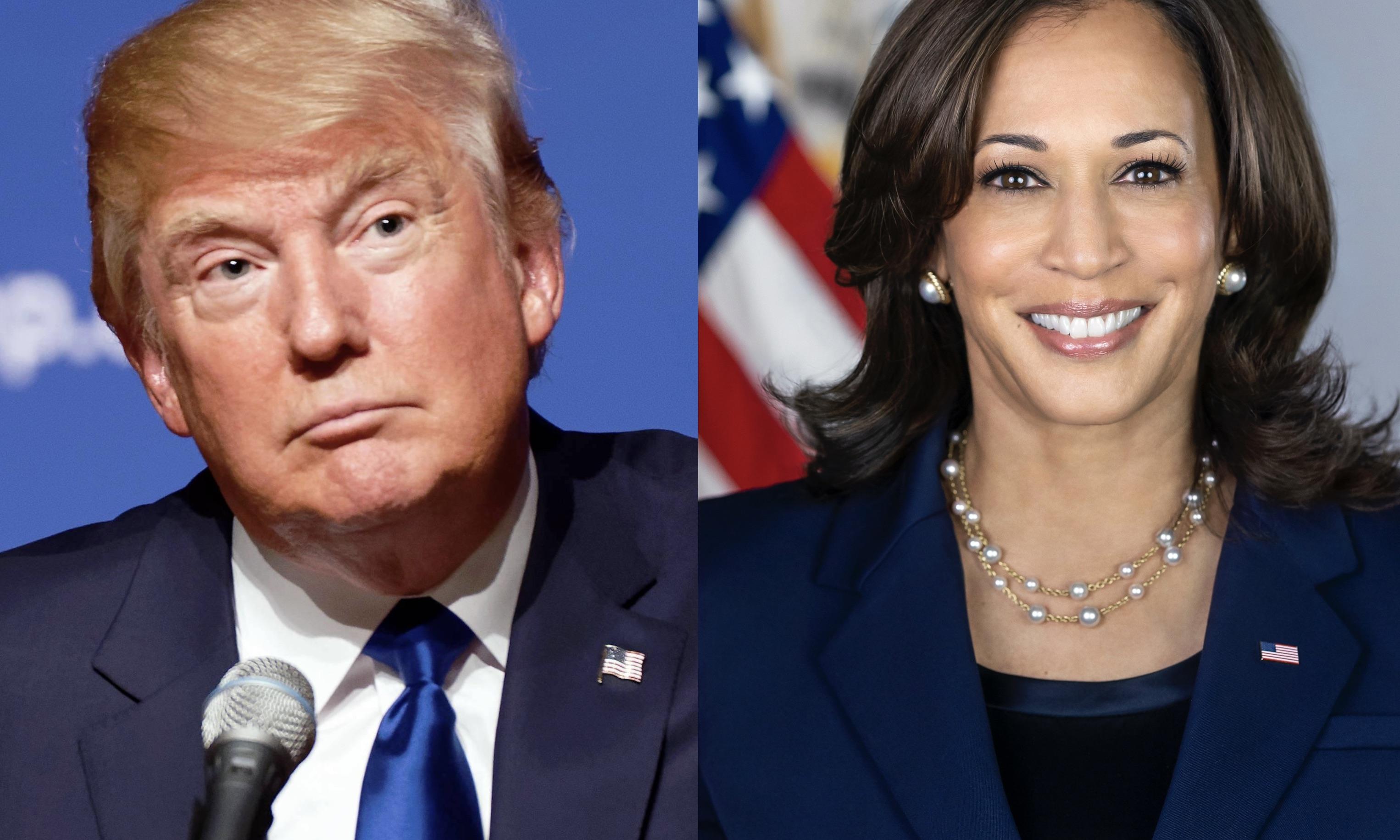
As the 2024 presidential race heats up, a critical question emerges: where do Christian voters stand? With former President Donald Trump poised for a potential return to the White House and Vice President Kamala Harris possibly making her own historic run, the religious vote is once again a key battleground. Christian voters, who have played a decisive role in recent elections, are now navigating a complex landscape shaped by policy differences, moral considerations, and each candidate’s appeal to religious values.
Donald Trump, known for his strong support among evangelical Christians, continues to maintain a solid base within this demographic. During his presidency, Trump advanced policies that resonated with conservative Christians, such as appointing three Supreme Court justices who helped overturn Roe v. Wade, a decision that many religious voters celebrated as a victory for the pro-life movement. Additionally, Trump’s support for religious freedom and his vocal opposition to certain cultural shifts have earned him widespread backing from evangelical leaders and organizations.
On the other hand, Kamala Harris, who has steadily gained political prominence as vice president, presents a more progressive vision that appeals to a different segment of the Christian electorate. Harris, who is seen as an advocate for social justice, racial equality, and immigration reform, has attracted Christian voters who prioritize these issues as central to their faith. Her approach to policy, which often emphasizes compassion and equity, resonates with Christians who see their religious beliefs aligning with more liberal values, particularly on topics like healthcare, poverty, and climate change.
However, Harris faces challenges in garnering widespread Christian support, particularly among conservative denominations. Her pro-choice stance and support for LGBTQ+ rights are seen as controversial by many within the evangelical community. These positions have contributed to a clear divide within the Christian electorate, with some voters questioning whether her policies align with their moral values. Despite this, Harris has worked to build connections with faith communities, focusing on issues of racial justice and economic inequality, areas where some Christians feel a moral imperative to act.
As the 2024 election draws near, both Trump and Harris are expected to court religious voters with distinct messages. Trump will likely continue emphasizing his record on judicial appointments, religious liberty, and traditional values, hoping to solidify his support among evangelicals and other conservative Christians. Harris, meanwhile, will aim to broaden her appeal to Christians by highlighting issues like healthcare, social justice, and immigration, which may resonate with younger and more diverse religious voters.
Ultimately, the Christian vote in 2024 is not monolithic. It spans a wide spectrum of beliefs and political priorities, from conservative evangelicals to progressive Catholics and mainline Protestants. The outcome of the election could hinge on which candidate successfully engages this influential voting bloc, making the Christian electorate a focal point in the race for the White House.







