


 Swimming in the sweet spot: how marine animals save energy on long journeys
  GesiaPlatform Launches Carbon-Neutral Lifestyle App ‘Net Zero Heroes’
  LA fires: Fast wildfires are more destructive and harder to contain
  As the Black Summer megafires neared, people rallied to save wildlife and domestic animals. But it came at a real cost
  An unexpected anomaly was found in the Pacific Ocean – and it could be a global time marker
  Burkina Faso and Mali’s fabulous flora: new plant life record released
  What’s so special about Ukraine’s minerals? A geologist explains
  We combed through old botanical surveys to track how plants on Australia’s islands are changing
  Extreme heat, flooding, wildfires – Colorado’s formerly incarcerated people on the hazards they faced behind bars
  How ongoing deforestation is rooted in colonialism and its management practices
  How to create a thriving forest, not box-checking ‘tree cover’
  Rise of the Zombie Bugs takes readers on a jaw-dropping tour of the parasite world


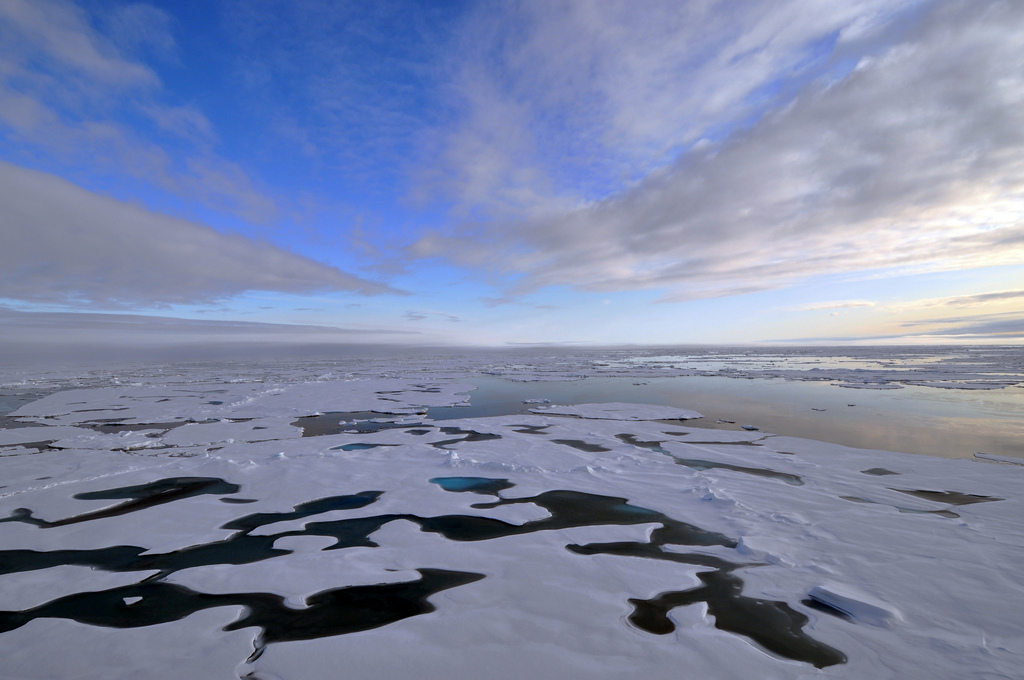
Winter is almost here for the rest of the world, but in the Arctic, it was supposed to have already begun. However, thanks to a sudden rise in temperature, this timeline was interrupted. Rising by 20°C, ice is having trouble forming, cold winds are being stunted, which means that winter has been effectively called off for the short term.
This development is not exactly surprising considering the current trajectory of global warming, but it wasn’t expected either. As Futurism points out, November is when things should be settling down at the Arctic, and it was looking stable until a few days ago.
Right now, the amount of ice covering the seas in the region is at their lowest. Zack Labe, who is studying the Arctic and is currently earning his Ph.D. at the University of California released a series of Tweets about the sudden temperature phenomenon.
The images in the post show how the temperatures seem to be going in the other direction. Right now, the Arctic should be at -25°C. Instead, it’s holding steady at -5°C.
This is an alarming shift in the balance of the ecosystem, largely because numerous species depend on uniformity for their food and migration patterns. Much of the reason attributed to these changes are the shifts in directions of certain jet streams thanks to the Earth’s continued warming. This resulted in a blast of hot air being directed at the Arctic, Wired reports, which seems to have gotten stuck.
In addition, it would seem that the Earth’s natural filter for infrared radiation has been essentially block thanks to the higher levels of heat present within the atmosphere. Too much heat means a slower filtration process, which means more hot air trapped. As far as reasons for why the Arctic is experiencing a non-winter during its winter season goes, this is as likely as anything scientists have come with so far.













