


 Westinghouse Targets $50 Billion Valuation in U.S. IPO
  Asian Stocks Fall as Surging Bond Yields Rattle Markets
  Meta Unveils Muse Charm AI Device, Expands Smart Glasses Lineup
  Tencent Launches TenPayGo Payment App for Foreign Tourists in China
  US 10-Year Treasury Yield at 6% Emerges as New Market Risk Threshold
  Meta Partners With Shopify to Bring Shop Pay Checkout to Muse AI
  Asian Stocks Fall as Bond Yields Surge Ahead of Trump-Xi Summit
  Apple Extends Qualcomm Patent Licensing Deal
  Soybean Futures Slip as Traders Await Trump-Xi Trade Signals
  SpaceXAI to Double Nvidia Chips at Colossus 2 by Year-End
  Microsoft Stock Upgraded as Stifel Sees Stronger Azure Growth
  RBI Uses $10 Billion Currency Swaps to Drain Excess Rupee Liquidity
  Former OpenAI Data Center Chief Chris Malone Joins Nvidia
  Anthropic’s Claude Discovers CRISPR-Like Enzyme System
  Gold Holds Near $4,275 as Rising Treasury Yields Fuel Fed Rate Hike Bets
  NASA, Boeing Discuss Expanding Starliner Missions
  U.S. Dollar Hits Two-Month High as Oil, Treasury Yields Surge


 Add as a preferred source on Google
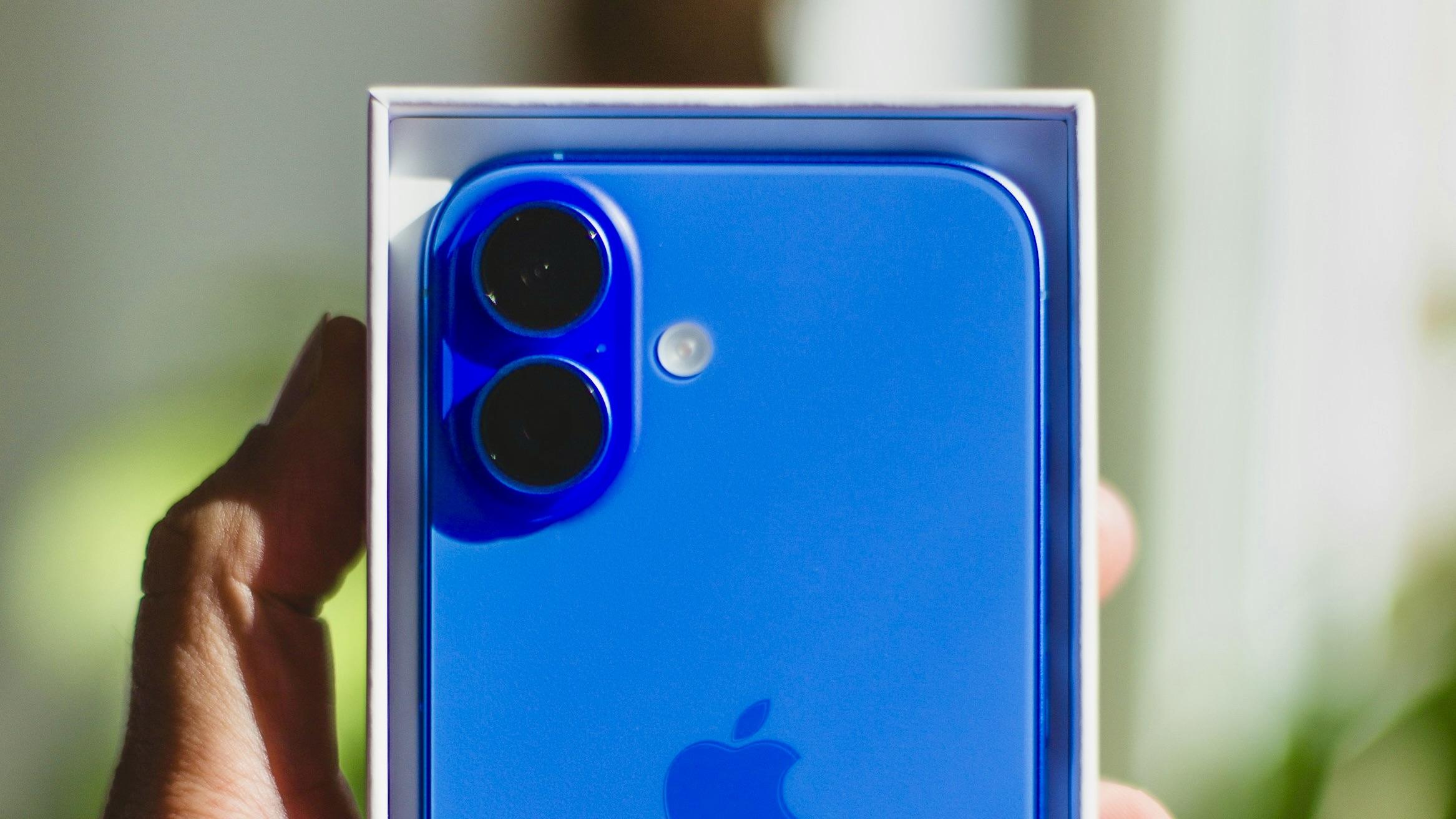
Citing high production costs and limited capacity, Apple has delayed using TSMC’s 2nm chips in its iPhone 17 Pro models. The advanced chips are now expected in 2026 with the iPhone 18 Pro series.
Apple Delays iPhone 17 Pro's 2nm Chips to 2026
Reportedly, Apple has decided to delay the commercial introduction of the iPhone 17 Pro and iPhone 17 Pro Max, which will use TSMC's 2nm processing chips, until 2026, according to media reports (via MyDrivers).
The 2nm chips from TSMC have been plagued by production delays because of worries over their high cost and limited capacity. The supplier has reportedly started making the chips in trial quantities, but the results are disappointing, so it might be a while before they can produce a finished product.
Production Challenges Hit TSMC’s 2nm Chips
The 2nm chips were trial-produced at the Baoshan facility in Hsinchu, Taiwan, and rumor has it that the yields were below the company's expectations.
Yes, that's right. With a yield rate of 60%, nearly 40% of the chips made are flawed.
Sky-High Wafer Costs Impact iPhone Plans
The production cost of integrating the 2nm CPUs into the upcoming iPhone 17 Pro and iPhone 17 Pro Max is a staggering $30,000 per wafer, making it seem like an unrealistic option for Apple.
These worries have caused Apple to delay the introduction of its 2nm semiconductors by about a year; the new chips will not be available until the iPhone 18 Pro versions are released in 2026. This further confirms that TSMC's 3nm chips will be utilized by the iPhone 17 series.
WCCFTECH points out that the present iPhone 16 series uses TSMC's 3nm chips; while the A19 Pro chips will be an improvement, the 2nm chips that will be available in 2026 will offer much better efficiency and performance.
TSMC’s 2nm Chips Promise Performance Gains
The 2nm chips will have up to 15% more transistors than the 3nm chips, resulting in a 15% performance improvement while using the same amount of power. TSMC mentioned this at the 2024 IEDM conference despite production constraints.
The technology is too expensive and difficult to develop at the scale required for millions of iPhones, so Apple decided to delay TSMC's 2nm processors. This was the right move if the company intended to keep device pricing low.







