


 Meta Cuts Wipro Outsourcing by 25% After AI-Led Restructuring
  Alibaba Stock Jumps as Qwen 3.8-MAX AI Model Intensifies China's AI Race
  Cloudflare Stock Jumps 15% as Earnings Beat Estimates, 2026 Outlook Raised
  DeepSeek to Raise AI API Prices as Demand for New Models Surges
  SK Hynix Bonus Dispute Deepens as Union Rejects Stock-Based Payout Proposal
  SK Hynix, Samsung Lead Asian Chip Stock Selloff After Sandisk, Western Digital Outlook
  Telegram Restored on Apple App Store After Temporary Removal
  Alphabet Stock Slides as Google AI Pioneer Jeff Dean Exits to Launch Discovery Loop
  Infineon Raises 2026 Revenue Outlook as AI Data Center Demand Fuels Record Quarterly Sales
  SpaceX Targets Starship Flight 14 With First V3 Starlink Satellite Launch
  T-Mobile Executives Reportedly Oppose $300 Billion Deutsche Telekom Merger
  Apple Restores Telegram to App Store After Content Policy Violation
  Nvidia Seen Beating Q2 Targets as Vera Rubin Cycle Begins
  Sony, TSMC Eye $6.3 Billion Japan Chip Venture for Next-Gen Image Sensors
  Palantir Stock Soars as AI Demand Drives Strong Q2 Earnings and Higher 2026 Outlook
  AI Data Center Boom Faces New Risks as Public Backlash and Policy Scrutiny Grow


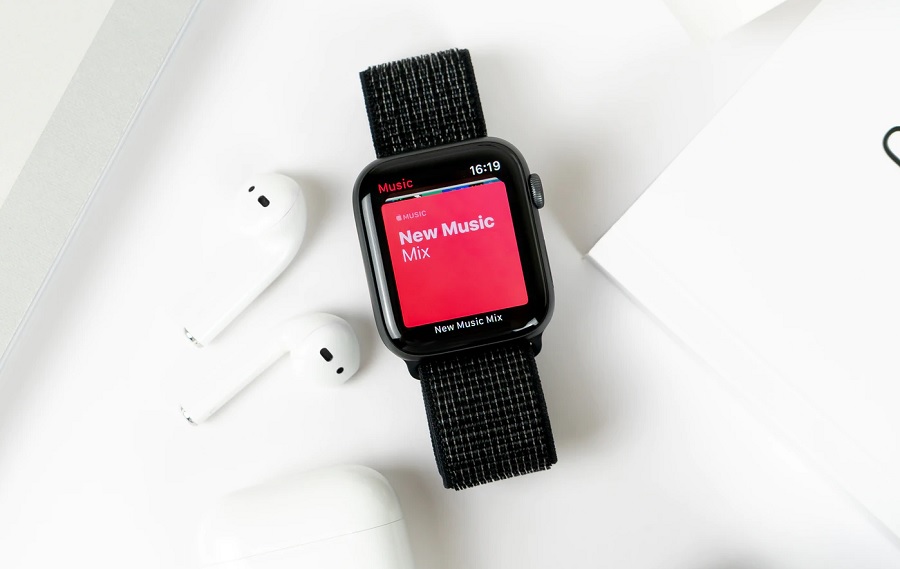
Apple Music customers are getting spatial audio support through Dolby Atmos and high-resolution lossless audio just as mentioned in earlier reports. However, what comes as a surprise is that these new features will be available to all subscribers without additional cost.
Apple Music subscribers get spatial audio, lossless audio updates for free
When Apple introduced spatial audio last year, it was lined up as one of the new features delivered through iOS 14 and its availability was pretty much reliant on the kind of headphones in use. However, Apple Music announced Monday that the surround sound option will be more widely available through Dolby Atmos tracks.
Once the updates go live, tracks supported with the Dolby Atmos surround sound technologies will play in this quality by default. Apple said there will be “thousands of tracks” available in spatial audio with Dolby Atmos by June, but no specific number was provided.
However, the tech giant also promised, “Apple Music will be adding new Dolby Atmos tracks constantly and will be curating a special set of Dolby Atmos playlists to help listeners find the music they love.” Apple Music subscribers will also be able to identify albums with surround sound tracks through a Dolby Atmos badge in their detail pages.
Apple Music applies Lossless Audio on over 75 million songs in June
Lossless audio will be available on more than 75 million songs in the Apple Music library as they are all encoded with the Apple Lossless Audio Codec (ALAC). There will be two resolutions subscribers can choose for listening over cellular or wireless network and for downloads. An option to play tracks at CD quality, which translates to 16 bit at 44.1kHz and up to 24 bit at 48kHz, that will play natively on Apple devices. Apple Music will also offer a High-Resolution Lossless audio quality “for the true audiophile” without additional fees.
Unlike the spatial audio support through Dolby Atmos, Apple Music subscribers will need to opt-in on the lossless audio (both CD quality and Hi-Res) because these will require much higher data and downloads tracks in larger file sizes. There is an even bigger catch for the Hi-Res Lossless as it will require external devices like a digital-to-analog converter to work.
Photo by Daniel Korpai on Unsplash







