


 Elon Musk Ties SpaceX IPO Access to Mandatory Grok AI Subscriptions
  NASA's Artemis II Crew Arrives in Florida for Historic Moon Mission
  Apple's Foldable iPhone Faces Engineering Setbacks, Mass Production Timeline at Risk
  China's Push to Steal Taiwan's Chip Technology and Talent Raises Security Alarms
  Annie Altman Amends Sexual Abuse Lawsuit Against OpenAI CEO Sam Altman
  MATCH Act Targets ASML and Chinese Chipmakers in New U.S. Export Crackdown
  SK Hynix Eyes Up to $14 Billion U.S. IPO to Fund AI Chip Expansion
  Federal Judge Blocks Pentagon's Blacklisting of AI Company Anthropic
  California's AI Executive Order Pushes Responsible Tech Use in State Contracts
  Cybersecurity Stocks Tumble After Anthropic's Claude Mythos AI Leak Sparks Market Fears
  Google's TurboQuant Algorithm Sends Memory Chip Stocks Tumbling
  Chinese Universities with PLA Ties Found Purchasing Restricted U.S. AI Chips Through Super Micro Servers
  TSMC Japan's Second Fab to Produce 3nm Chips by 2028
  Nanya Technology Shares Surge 10% After $2.5 Billion Private Placement from Sandisk and Cisco
  Samsung Electronics Posts Eightfold Profit Surge Driven by AI Chip Demand
  Reflection AI Eyes $25 Billion Valuation in Massive $2.5 Billion Funding Round
  Apple Turns 50: From Garage Startup to AI Crossroads


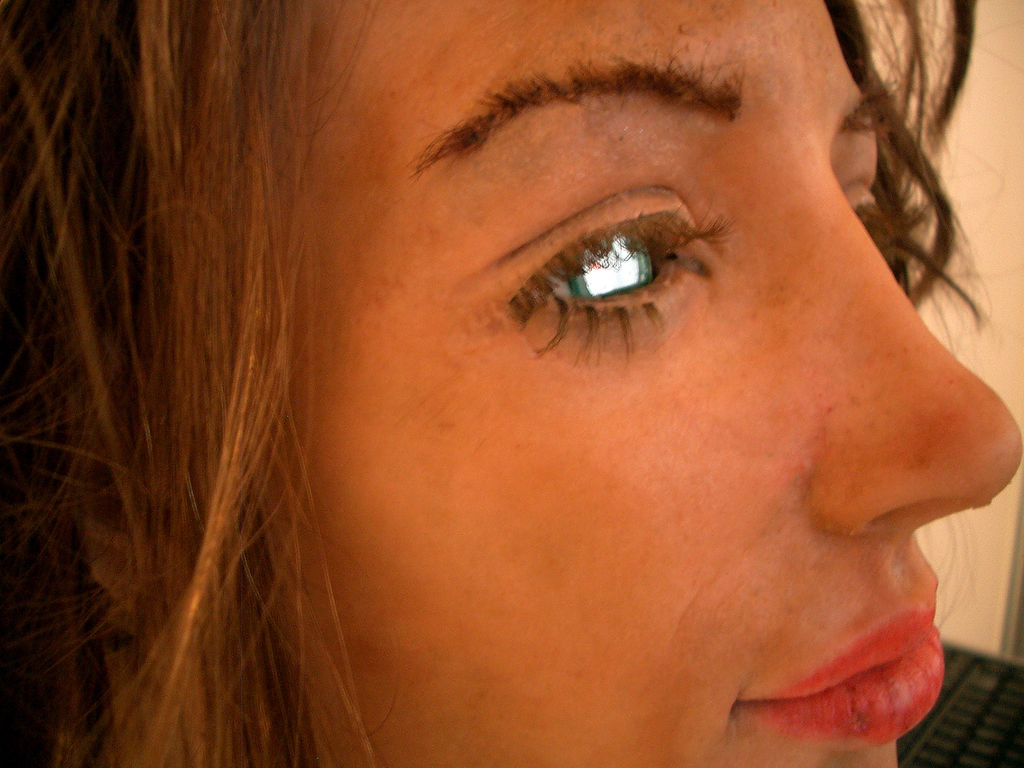
Movies and TV shows like West World would like audiences to believe that androids can become so lifelike that it would be difficult to differentiate them from humans. However, new research disproves this notion, saying that the human brain isn’t so easily tricked. In fact, it would only take a second to tell which a human is and which an android is.
The study was conducted by a team of researchers from the University of California, Berkeley and was published in the Nature Communications journal November edition, MedicalXpress reports. The results of the research suggest that the human brain’s capacity to rapidly take in information and then process it would make it very difficult for androids to actually pass as humans.
In what the researchers are calling the "ensemble lifelikeness perception," it would appear that the brain has a visual mechanism which detects distinctions on things that are of real-world objects and that of the virtual or artificial kind. Just as humans know that they are looking at virtual reality when looking through devices like the Oculus Rift, so can the brain tell if something is a real human or something else, the study’s lead author Allison Yamanashi Leib explains.
"This unique visual mechanism allows us to perceive what's really alive and what's simulated in just 250 milliseconds," Leib said. "It also guides us to determine the overall level of activity in a scene."
The study involved testing a group of 68 adults, all of whom had perfect vision, the Daily Mail reports. The participants were then shown pictures of random objects in rapid succession, most of which stayed on for only 250 milliseconds. When asked to rate the images based on how lifelike they were, the researchers found that the participants were able to accurately distinguish which were fake and which were real.







