


 NASA's Artemis II Mission: First Crewed Lunar Journey Since Apollo
  TSMC Japan's Second Fab to Produce 3nm Chips by 2028
  China vs. NASA: The New Moon Race and What's at Stake by 2030
  Lumentum Holdings Rides AI Wave With Order Book Filled Through 2028
  Microsoft Eyes $7B Texas Energy Deal to Power AI Data Centers
  Samsung Electronics Posts Eightfold Profit Surge Driven by AI Chip Demand
  Annie Altman Amends Sexual Abuse Lawsuit Against OpenAI CEO Sam Altman
  U.S. Disrupts Russian Military Hackers' Global DNS Hijacking Network
  OpenAI Executive Shake-Up Ahead of Anticipated 2026 IPO
  Australia's Social Media Ban for Under-16s Sparks Global Movement
  Apple Turns 50: From Garage Startup to AI Crossroads
  Alibaba Shares Slide as Jefferies Slashes Price Target Over AI Spending and Business Losses
  SpaceX Eyes Historic IPO at $1.75 Trillion Valuation
  Elon Musk Ties SpaceX IPO Access to Mandatory Grok AI Subscriptions
  China's AI Stocks Surge as Zhipu and MiniMax Hit Record Highs


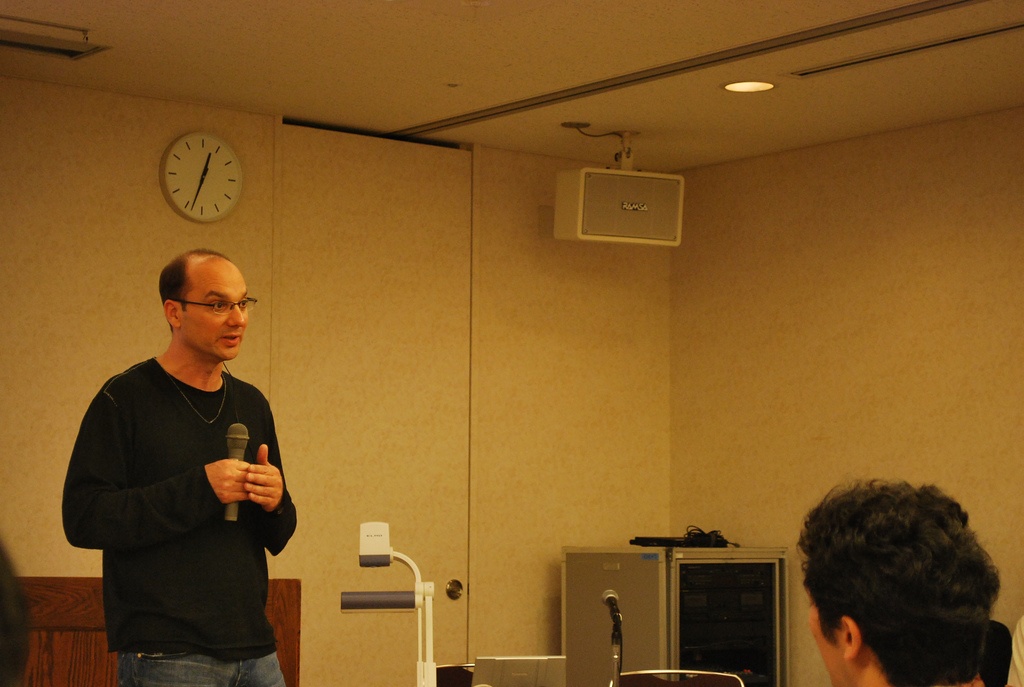
Andy Rubin is regarded as the father of Android, the operating system that is powering billions of smart devices all over the world. Seeing how manufacturers have bastardized his invention, the Google alumni recently unveiled the Essential Phone. Costing $699, this smartphone is meant to be a personalized device to suit the individual needs of customers, but US carriers are not too thrilled about it.
In a recent WIRED article, Rubin outlines his biggest issue with the current mobile market where makers seem reluctant to make any kind of significant move in innovation. The Android creator believes that a lot of it has to do with the fact that smartphone companies are now more concerned with putting as many of their devices in the hands of as many customers as possible.
This has resulted in a sterile environment for smartphones where the devices have become commodities rather than as an expression of individuality. The company has even made it a point to make sure that the Essential Phone will be on the exclusive side in order to limit how many units will be made at any given time, as product architect head Jason Keats said.
“We’ve gone after technologies and methods of manufacturing that aren’t designed to support 50 million devices. We’re not for everybody. You know it’s going to be a little exclusive,” Keats explains.
With regards to its features, there are still a lot of missing details. However, it seems the phone is modular where additional accessories or attachments can be used, similar to the Moto Z. It will also feature actual titanium parts, which even Apple has failed to do.
On that note, it seems carriers are a little reluctant to actually invest in the new phone. Although many US carriers have said that the device will work on their networks, The Verge reports, it seems there are some caveats. Verizon and T-Mobile say that the Essential Phone users might not have access to some advanced features. So far, Sprint is the only carrier that said the device would definitely work on their network.







