


 SpaceX Eyes Starlink Mobile Phone Service to Challenge Verizon, AT&T, and T-Mobile
  Anthropic Brings Claude AI Models to Microsoft Azure Foundry With NVIDIA Blackwell GPUs
  Open-Source AI Models Gain Ground as Enterprises Seek Lower-Cost Alternatives, Citi Says
  Firmus Partners With Nvidia to Deliver 170,000 AI GPUs in $30 Billion Cloud Infrastructure Deal
  Baidu Shares Rally as Kunlunxin Eyes $50 Billion Hong Kong IPO
  Kioxia Targets U.S. Listing as AI Chip Boom Accelerates
  Australia Sues Amazon Over Prime Video Ads and Subscription Terms
  Morgan Stanley Raises Tesla Q2 Delivery Forecast on Strong Europe and China Demand
  Doncasters Raises $919 Million in NYSE IPO as Aerospace Growth Accelerates
  US Seizes Nearly 400 Illegal World Cup Streaming Domains in Global Anti-Piracy Crackdown
  Republican Lawmaker Introduces AI Incident Reporting Bill to Strengthen U.S. AI Safety
  TSMC CoWoS Capacity Forecast Raised as Mizuho Sees AI Server CPU Demand Surging Through 2027
  SK Hynix Targets $29.4 Billion Nasdaq Listing to Expand AI Chip Business
  Chip Stocks Rally as Samsung and SK Hynix’s $1.3 Trillion Investment Plan Boosts AI Optimism
  Super Micro Shares Slide After Taiwan Raids Over Alleged Nvidia AI Chip Smuggling Probe
  Apple Challenges India Antitrust Probe, Says CCI Copied Rivals’ Claims in App Store Case
  OpenAI IPO Delay Weighs on SoftBank Shares as AI Valuation Concerns Grow


Using modern technology to unlock ancient secrets, an undergraduate student successfully deciphered a word from the Herculaneum Scrolls, a collection of ancient texts buried under volcanic ash from Mount Vesuvius.
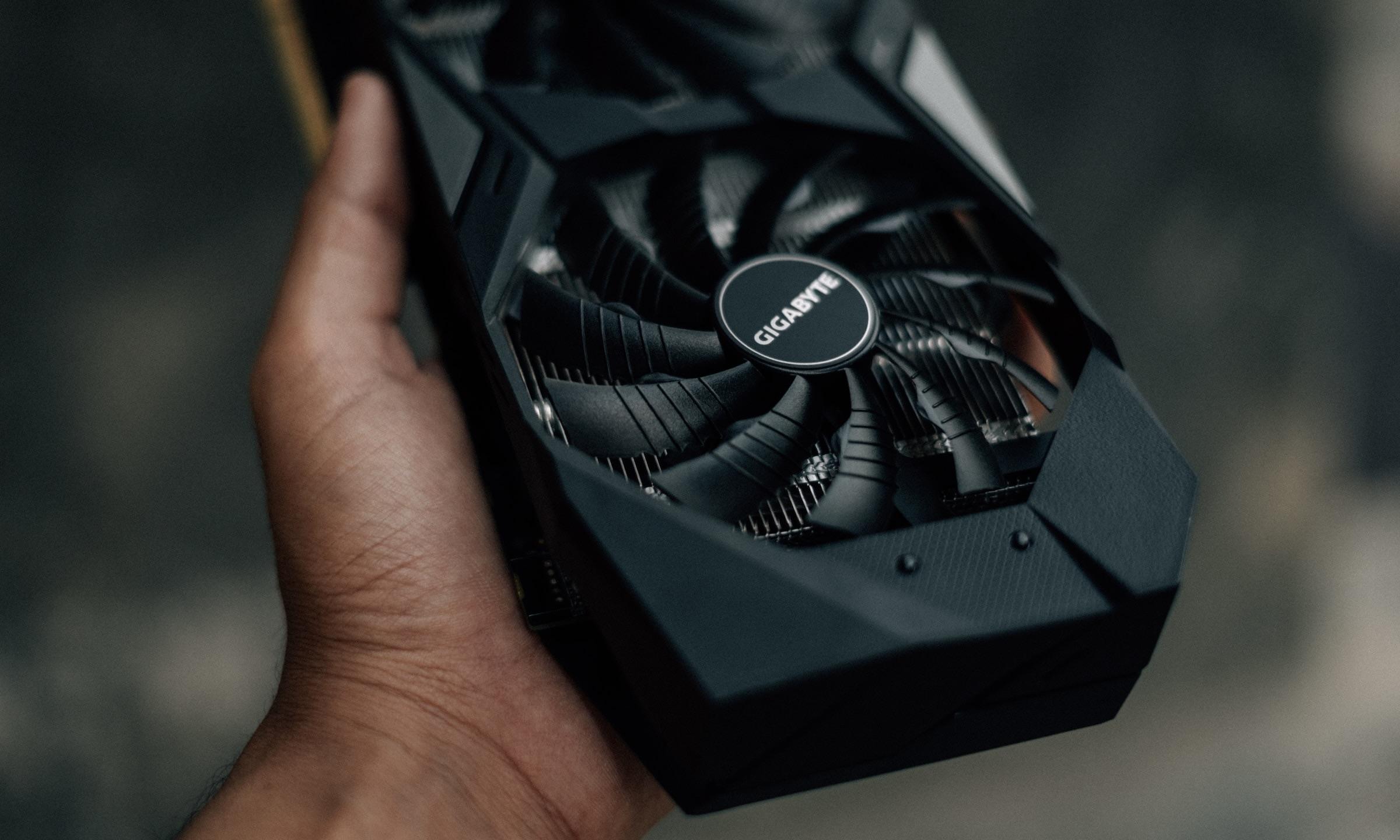
This impressive feat, accomplished with the aid of an Nvidia GeForce GTX 1070 graphics card and artificial intelligence, earned the student a $40,000 prize. The scrolls of Herculaneum, dating back to the Roman Empire, have long challenged experts due to their fragile and charred condition.
Innovative Use of AI and Graphics Card
Luke Farritor, an undergraduate student at the University of Nebraska-Lincoln and an intern at SpaceX, used his Nvidia graphics card to train an AI model. This model was designed to detect "crackle patterns" in the scrolls, which indicate the presence of ancient ink.
Through this innovative approach, Farritor's AI, trained with the GTX 1070, successfully identified the Greek word πορφυρας (porphyras). This word, meaning purple or purple dye, provided significant insight into the scrolls' content and awarded Farritor a substantial prize.
The challenge of reading the Herculaneum scrolls without causing further damage has been a longstanding issue for archaeologists and historians. X-ray technology has been the preferred method, but the carbon-based ink of these scrolls blends with the charred pages, making it hard to decipher the text.
In 2019, Dr. Brent Seales and his team made a significant breakthrough by combining X-rays with a particle accelerator, improving the visibility of the scrolls' ink. This year, these enhanced X-rays were analyzed through a machine-learning model to further clarify the text.
The Vesuvius Challenge and Historical Context
The Vesuvius Challenge, offering prizes for deciphering words from the scrolls, encourages the application of modern technology to solve these ancient puzzles.
Herculaneum, rediscovered in 1738 and then again in 1986, was home to the Villa of the Papyri, where these scrolls were found. The villa, potentially owned by Julius Caesar's father-in-law, housed not only the scrolls but also significant sculptures and frescoes, including a bust of Scipio Africanus.
Nvidia's Role in AI Development
Nvidia, known for its graphics cards, has expanded its focus to include powerful AI tools for both users and developers. Their contributions to technology, exemplified by their role in deciphering the Herculaneum scrolls, demonstrate the company's versatility and impact beyond the gaming industry.
Photo: Sumeet Singh/Unsplash







